
How to start a rock collection
A shoebox of beach pebbles is a collection. So is a cabinet of crystals. What turns a pile of rocks into a real collection is knowing what each one is and where it came from. Here's how to start.
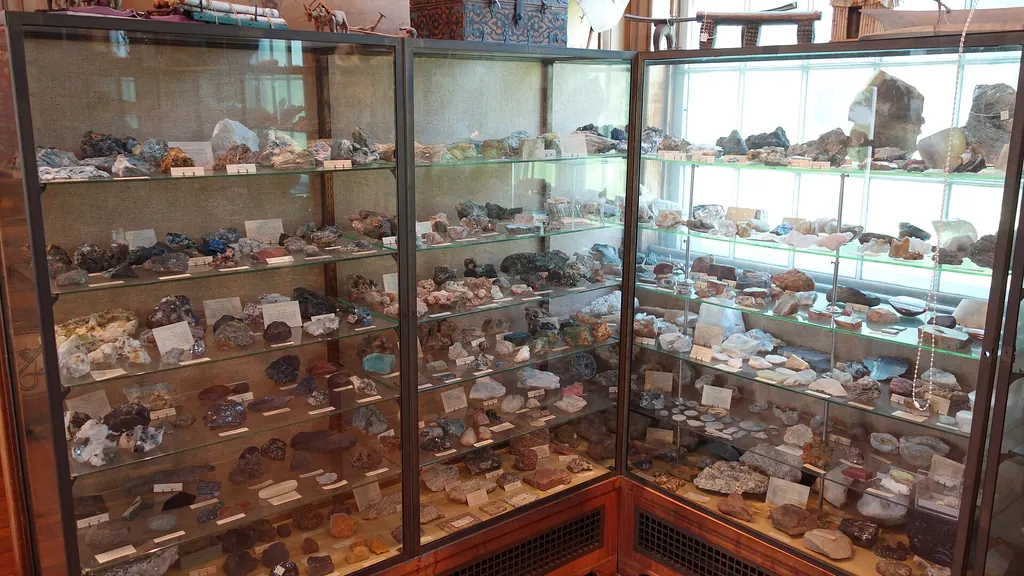
Every serious collector started with a handful of stones. You don't need money or special equipment, just curiosity and a system for keeping track. The system matters more than the rocks: a specimen with no label is just a nice stone, while a labeled one is a piece of science.
1. Pick a focus (or don't, yet)
Most people start by keeping whatever catches their eye. That's fine. Over time, many collectors pick a theme, which makes the hunt more fun:
- Rocks and minerals from your own area
- One mineral in all its colors and forms, like quartz or agate
- The three rock types (see types of rocks)
- Fossils, crystals, beach stones, or geodes
- Tiny "micromount" crystals or thumbnail-size specimens, which take very little space
2. Label everything
The most important habit. As soon as you get home, give each find a number and write a label:
| Field | Example |
|---|---|
| Number | #027 |
| Name | Agate (Lake Superior) |
| Locality | Gravel pit near Two Harbors, Minnesota, USA |
| Date found | June 14, 2026 |
| Collector | Your name, or "bought from" and the seller |
| Notes | Identified with flashlight test and RockFinder |
Paint a tiny white dot on an unimportant spot of the rock, let it dry, and write the number on it with a fine permanent pen. Then if labels get mixed up, the rock still knows who it is. Keep a notebook or spreadsheet with the same numbers.
3. Identify your finds
Start with the basics: color, shine, hardness, streak and weight. Our free hardness test helper, streak test identifier and specific gravity calculator walk you through them, and the how to identify rocks guide puts it all together. Or snap a photo with RockFinder for a quick name to start from.
4. Store it well
- Egg cartons and tackle or craft boxes are perfect for small rocks.
- Small card boxes (like jewelry boxes) keep each specimen with its label.
- Shallow drawers lined with foam suit bigger collections.
- Wrap fragile crystals in tissue paper; never pile heavy rocks on delicate ones.
5. Display your favorites
Bookshelves, shadow boxes, glass cabinets and small acrylic stands all work. LED lights show color without heat. Wet-looking shine? Polished stones from a rock tumbler look great in a glass jar or bowl.
6. Protect the sensitive ones
| Problem | Minerals | What to do |
|---|---|---|
| Fades in light | Amethyst, rose quartz, fluorite, celestine, kunzite | Keep out of direct sun |
| Crumbles in damp air | Pyrite and marcasite ("pyrite decay") | Store dry, with silica gel packets |
| Dissolves in water | Halite and other salts | Keep dry, never wash |
| Very soft | Selenite, talc, calcite | Handle gently, store apart |
| Toxic | Cinnabar, realgar, arsenic and lead minerals | Wash hands, keep from kids and pets |
7. Grow it
Go on field trips (see our rockhounding guide and where it's legal to collect), trade with friends, visit gem and mineral shows, and join a local rock club. Clubs are the best way to learn fast, and many run free trips for members.
A simple starter kit
You don't need much to begin. These cover almost everything:
- A 10x hand lens to see crystals and grains
- A streak plate (or the unglazed back of a bathroom tile)
- A steel nail or knife and a piece of glass for hardness tests
- A small magnet for magnetite and meteorites
- A dropper bottle of white vinegar to test for calcite
- Zip bags, a marker and a notebook for labeling
- Safety glasses and gloves if you'll be hammering
Your first ten rocks
A good beginner collection shows the three rock families and a few common minerals. Try to find or buy: granite, basalt, obsidian or pumice (igneous); sandstone, limestone and shale (sedimentary); schist or gneiss and quartzite (metamorphic); plus quartz and calcite crystals. Together they let you practice every basic test.
Join a club
Local rock and mineral clubs are the fastest way to learn. Members share collecting sites, run field trips, help identify finds and often have lapidary equipment you can use. In the US, the American Federation of Mineralogical Societies lists clubs by region. Many clubs welcome kids and families, and some run free rock swaps and shows.
Questions people ask
What should I put on a rock label?
At minimum: a specimen number, the rock or mineral name, where it was found (as exact as you can), the date, and who collected it. Add how you identified it if you like. Write the number on the rock itself with a small dot of white paint and a fine pen.
How do I store a rock collection?
Small specimens fit well in egg cartons, tackle boxes, craft organizers and shallow drawers lined with foam or paper. Keep each rock with its label. Wrap fragile crystals in tissue, and keep heavy rocks away from delicate ones.
Which minerals fade in sunlight?
Amethyst, rose quartz, smoky quartz, fluorite, celestine, kunzite and some topaz can fade in strong light. Realgar breaks down into powder in light. Display them away from windows and use LED lighting.
What's a good first rock collection for kids?
Start with the three rock types: an igneous rock (granite or basalt), a sedimentary rock (sandstone or limestone) and a metamorphic rock (marble or slate). Add quartz, a fossil, a geode and a magnet-loving magnetite. Cheap starter kits from museum shops are great too.
Keep reading
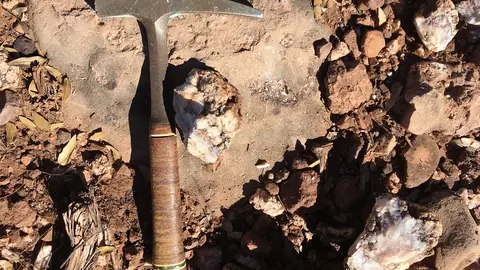
Rockhounding: how to start hunting for rocks, gems and fossils
Treasure hunting for real. Where to go, what to bring, and what you might find.
How to clean rocks and crystals safely
From soap and a toothbrush to rust removal, and what never to do.
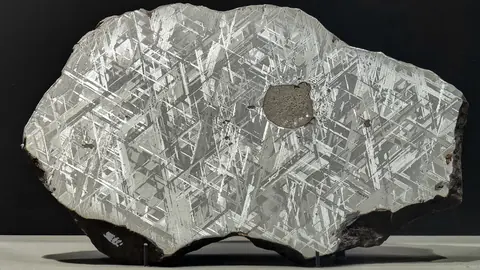
Is my rock valuable? How to tell if a rock is worth money
What makes a rock worth something, and how to check before you sell.