
Fake rose quartz: how to tell if yours is real
Rose quartz is cheap and common, so most of it is real. The fakes are usually pink glass beads or clear quartz dyed pink. A few quick checks will tell you which one you have.
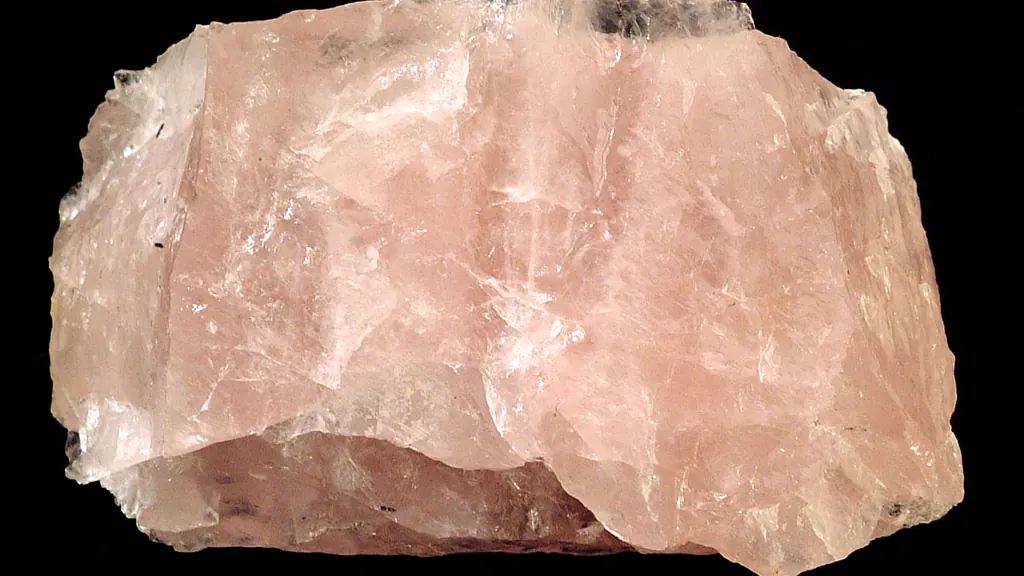
Rose quartz gets its pink from microscopic fibers of another mineral inside the quartz. Those fibers also scatter light, which is why real rose quartz looks milky rather than clear. That one fact catches most fakes.
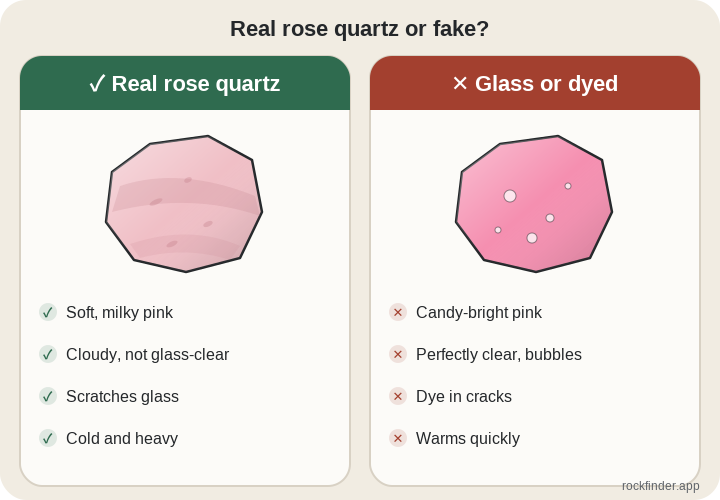
5 safe tests
1. The milky test
Hold the stone up to a window. Real rose quartz is translucent and cloudy: light comes through, but you can't see clearly through it. Glass fakes are usually see-through clear, like a pink sweet.
2. The color test
Natural color is soft and pale, from almost white to medium pink, and often slightly uneven. Hot pink, very bright or perfectly even color is a warning sign. Look at cracks and drill holes in beads: darker pink in the cracks means dye.
3. The bubble test
Zoom in with your phone or a magnifier. Round air bubbles or swirls mean glass. Real rose quartz shows wisps, tiny cracks and cloudy patches instead.
4. The touch test
Hold it in a closed hand for a minute. Quartz stays cool longer; glass warms up faster and resin hardly feels cool at all.
5. The scratch test
Rose quartz has a hardness of 7. A sharp edge will scratch an old glass jar; glass fakes struggle to. Press on a hidden spot, wipe, and see if the line stays.
Real or fake at a glance
| Real rose quartz | Pink glass | Dyed quartz | |
|---|---|---|---|
| Clarity | Milky, cloudy | Clear | Often crackled |
| Color | Pale, soft, uneven | Bright, even | Strong pink in cracks |
| Inside | Wisps, tiny cracks | Round bubbles | Spider-web dye lines |
| Scratches glass | Yes | No | Yes |
Other pink stones it gets confused with
Pink stones that aren't rose quartz aren't always fakes. Rhodochrosite has pink and white bands, rhodonite is pink with black veins, and pink opal is waxy and smooth. All are real stones, just different ones.
Still not sure?
Snap a photo with RockFinder to see whether your pink stone looks like rose quartz, glass or something else.
Questions people ask
How can you tell if rose quartz is real?
Real rose quartz is a pale, milky pink and slightly cloudy, never perfectly clear. It feels cold, stays cool in your hand and scratches glass. Pink glass is usually clearer and brighter, warms up quickly and may contain round air bubbles.
Is clear, bright pink rose quartz fake?
Very often, yes. Natural rose quartz is almost always cloudy. Transparent rose quartz exists but is rare and pricier. Clear, candy-pink beads or points sold cheaply are usually glass.
Does real rose quartz fade?
It can. Strong sunlight over months or years can slowly fade the pink. Keep it out of sunny windowsills if you want to keep the color.
How much is rose quartz worth?
It's one of the cheaper stones: tumbled pieces cost a dollar or two, and rough chunks are often sold by the pound for a few dollars. Large carved pieces and rare clear, gem-quality stones cost more.
Keep reading
Real or fake? How to tell if your crystals are real
7 safe home tests to spot glass, dyed and plastic fakes, plus a guide for every popular stone.
How to tell if a rock is quartz
Six easy tests to tell quartz from calcite, glass and feldspar.
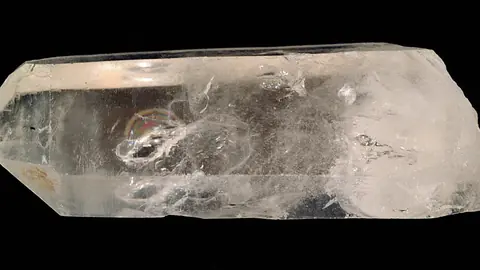
Glass vs crystal: how to tell real quartz from glass
5 quick tests to tell real quartz crystal from glass.