
Halite: the one mineral you're allowed to lick
Halite is rock salt, the same stuff on your dinner table, grown into perfect cubes. It's the only mineral where tasting it is a legitimate identification test.
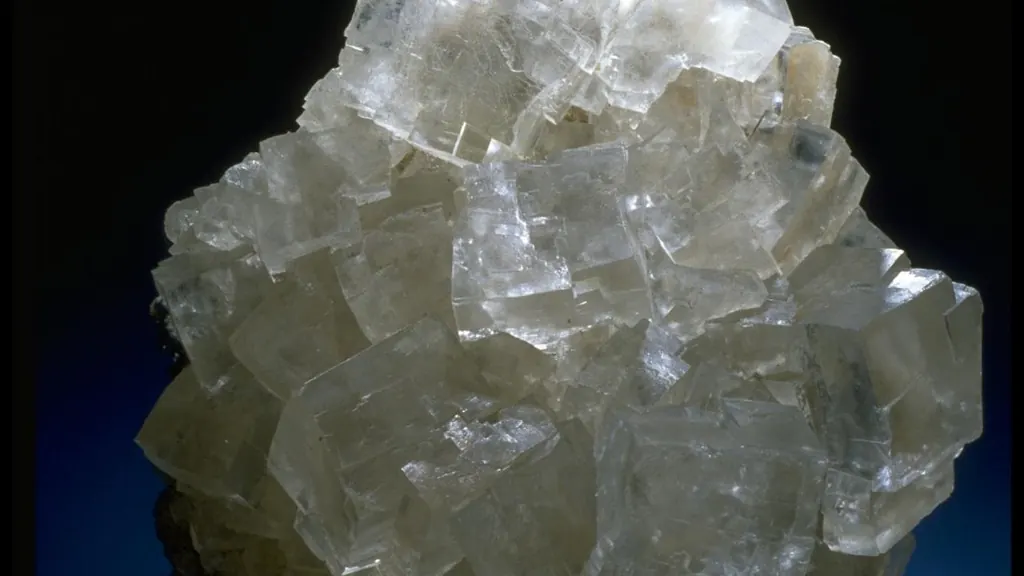
Geologists have a strict rule: don't taste unknown minerals. Many are toxic. But there's one famous exception that everyone learns in their first geology class: halite. It's rock salt, the same sodium chloride you sprinkle on your fries, and the "lick test" really is how many people confirm it.
Where halite comes from
Most halite formed when ancient seas and salt lakes dried up. As the water evaporated, dissolved salt crystallized out and piled up in thick layers, sometimes hundreds of meters deep. Those layers were buried, and today we mine them. Under parts of Kansas, Michigan, Germany and Poland lie salt beds from seas that vanished hundreds of millions of years ago.
Some salt mines are spectacular: Poland's Wieliczka Salt Mine has whole chapels, chandeliers and statues carved from rock salt.
How to identify halite
- Cubes: perfect cubic crystals, or masses that break into cubes
- Salty taste (a quick lick of a clean surface)
- Dissolves in water: leave a chip in a glass and watch it disappear
- Soft: about 2.5, a fingernail can just scratch it
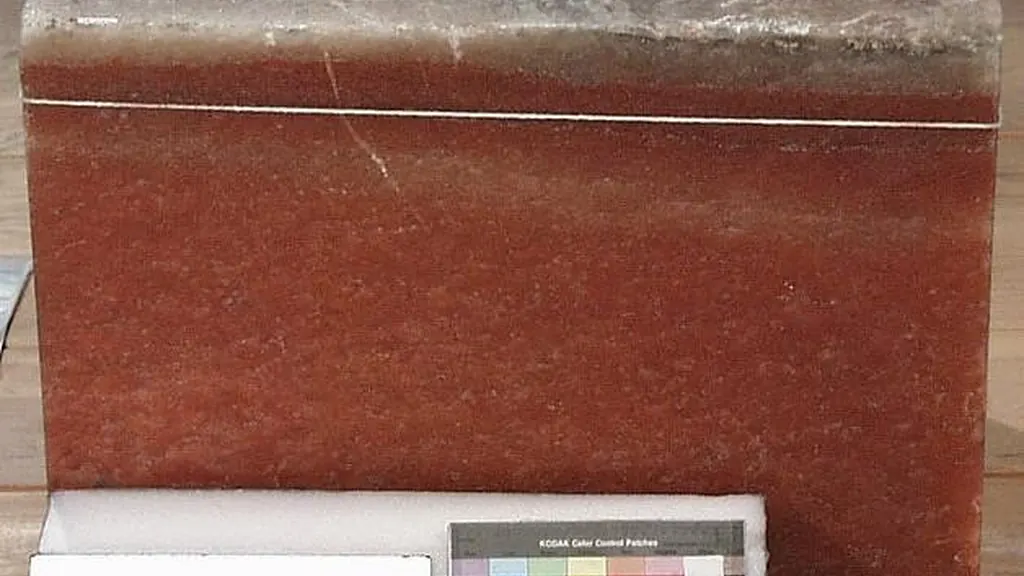
- Colors: clear, white, grey, pink, orange; rarely blue or purple
- Glassy shine, often a little greasy-looking from moisture
Halite vs look-alikes
| Mineral | How it differs |
|---|---|
| Calcite | Breaks into slanted rhombs, fizzes in vinegar, not salty |
| Fluorite | Also cubic, but harder (4), not salty, doesn't dissolve |
| Quartz | Much harder, six-sided, doesn't dissolve |
| Sylvite | Also cubic and salty, but bitter-tasting (potassium chloride) |
Weird and wonderful halite
- Hopper crystals: cubes that grew faster at the edges, leaving stepped, hollow faces like a staircase pyramid
- Pink halite: colored by microorganisms (halophiles) that live in super-salty water. Pink "Himalayan salt" mostly comes from the Khewra mine in Pakistan
- Blue halite: rare; the color comes from natural radiation damage in the crystal, found in places like Germany and New Mexico
- Salt flats: Bolivia's Salar de Uyuni, the world's largest, is so flat and reflective that it becomes a giant mirror after rain
Caring for halite
Halite absorbs moisture from the air. In humid rooms, specimens get wet, sticky and slowly lose their sharp edges. Keep them in a sealed box with a packet of silica gel. And never clean halite with water.
What's halite worth?
| Item | Rough value |
|---|---|
| Rock salt chunks | A few cents to a few dollars |
| Clear halite cubes or clusters | About $5 to $30 |
| Pink Himalayan salt lamp | About $15 to $60 |
| Hopper crystals and fine pink clusters | About $20 to $150 |
| Natural blue halite | About $20 to a few hundred dollars |
Prices are rough guides. Only taste-test clean halite you're confident about, never unknown minerals.
Where to find halite
Halite forms where salty water evaporates, so look in dry places with salt lakes and salt flats: the Great Salt Lake and Bonneville Salt Flats in Utah, Death Valley and Searles Lake in California, the Dead Sea, and salt pans across Australia, Chile and Iran. Underground salt beds are mined in Michigan, Ohio, New York, Kansas, Poland (the Wieliczka salt mine has chapels carved from salt) and Pakistan's Khewra mine, where pink "Himalayan" salt comes from.
Grow your own halite crystals
Halite is one of the easiest minerals to grow at home:
- Stir table salt (or better, non-iodized salt) into hot water until no more will dissolve.
- Pour the clear liquid into a clean shallow dish, leaving any undissolved salt behind.
- Leave it somewhere warm and still for a few days.
- Watch cubes and stepped "hopper" crystals form as the water evaporates.
This is exactly how natural salt flats make halite, just faster.
Why halite has colors
Pure halite is colorless. Pink, orange and red halite usually gets its color from iron oxide or from salt-loving microbes living in brine. Blue and purple halite, found in some German and New Mexico salt mines, gets its color from natural radiation that disturbs the crystal structure, and the color can fade if the crystal is heated.
Cubic crystal?
Snap a photo with RockFinder to tell halite from fluorite, calcite and quartz, no licking needed.
Questions people ask
How do you identify halite?
Halite forms cubes or cube-shaped clusters, is clear, white, pink, orange or blue, tastes salty, dissolves in water, and is soft (about 2.5, roughly fingernail hardness). It breaks into smaller cubes along three directions at right angles.
Is halite the same as salt?
Yes. Halite is the mineral name for natural sodium chloride, the same compound as table salt. Rock salt is the rock made mostly of halite.
Is it safe to lick halite?
A quick taste of clean halite is a traditional test and generally harmless, but never lick unknown minerals in general: some are toxic. Many minerals that look like halite, like some arsenic or lead minerals, should never be tasted.
How much is halite worth?
Halite is cheap: specimens cost a few dollars, and pink Himalayan salt lamps cost about $15 to $60. Rare blue halite and fine pink or hopper crystals can sell for tens to hundreds of dollars.
Keep reading
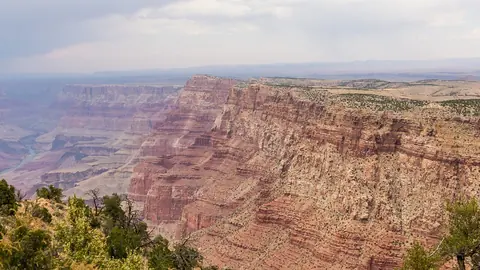
Types of rocks: the 3 kinds, and how to tell which one you're holding
Fire, layers or pressure? Every rock you find is one of three types.
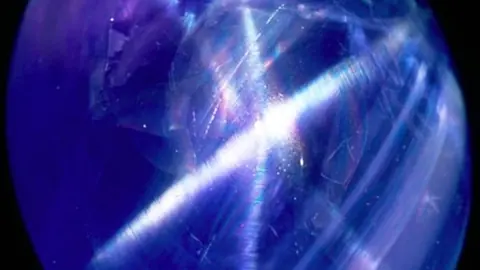
The Mohs hardness scale: test any rock with a fingernail, a coin and a knife
Fingernail, coin, knife, glass. The 200-year-old scratch test that still works.
Shale: the crumbly rock that holds Earth's best-kept secrets
The world's most boring-looking rock is a fossil vault. Here's how to open it.
More guides
- Chalcedony: the glowing stone hiding on beaches and riverbanks
- Quartzite: the toughest rock on the beach
- Magnetite: the rock that grabs your magnet
- Chalcopyrite: the other fool's gold (and the world's copper)
- Dinosaur bone: how to tell if you've found a piece of a dinosaur
- Tektite: glass splashed across the Earth by asteroid impacts