
Rock tumbling for beginners
A rock tumbler turns dull beach pebbles into glossy stones that look wet forever. It takes about a month and a bit of patience. Here's the whole process, step by step.
A rotary rock tumbler is a small rubber-lined barrel that turns slowly, day and night, with your rocks, water and grit inside. The grit grinds the rocks smooth just like a river or beach would, but in weeks instead of centuries. Each stage uses finer grit until the final polish.
What you need
- A rotary tumbler (a small hobby one is fine to start)
- Grit set: coarse, medium, fine (pre-polish) and polish
- Rocks of similar hardness, ideally a mix of sizes
- Ceramic media or small filler pebbles (optional, helps cushion and fill the barrel)
- A bucket, an old toothbrush, and a place where the noise won't bother anyone, like a garage or utility room
The 4 stages
| Stage | Grit | Time | What it does |
|---|---|---|---|
| 1. Coarse | About 60/90 silicon carbide | 7 days or more | Rounds edges, removes pits and rough spots |
| 2. Medium | About 120/220 | 7 days | Smooths away coarse scratches |
| 3. Fine (pre-polish) | About 500 or finer | 7 days | Satin-smooth, ready to shine |
| 4. Polish | Aluminum oxide or cerium oxide polish | 7 days | The glassy shine |
Grit sizes vary a little by brand; follow the amounts on your grit kit (usually about 1 to 2 tablespoons per pound of rock).
Step by step
- Pick and clean your rocks. Choose hard, solid rocks without big cracks. Wash off dirt (see how to clean rocks).
- Load the barrel 2/3 to 3/4 full. Too empty and rocks smash into each other and chip; too full and they don't move.
- Add grit and water. Water should come up to just below the top of the rocks.
- Run it for about a week. Check after a day or two at first. Some rocks release gas, so open the barrel occasionally to let pressure out.
- Clean thoroughly. Rinse rocks, barrel and lid completely. Scrub out every grain of old grit. This is the most important step: one grain of coarse grit in the polish stage leaves scratches.
- Check the rocks. Only move on when every rock is smooth and rounded. Run stage 1 again if needed; it's normal.
- Repeat with medium, fine and polish grit.
- Optional burnish: run the polished rocks for a few hours with water and a little plain soap (not detergent) to remove polish residue.
Best rocks for beginners
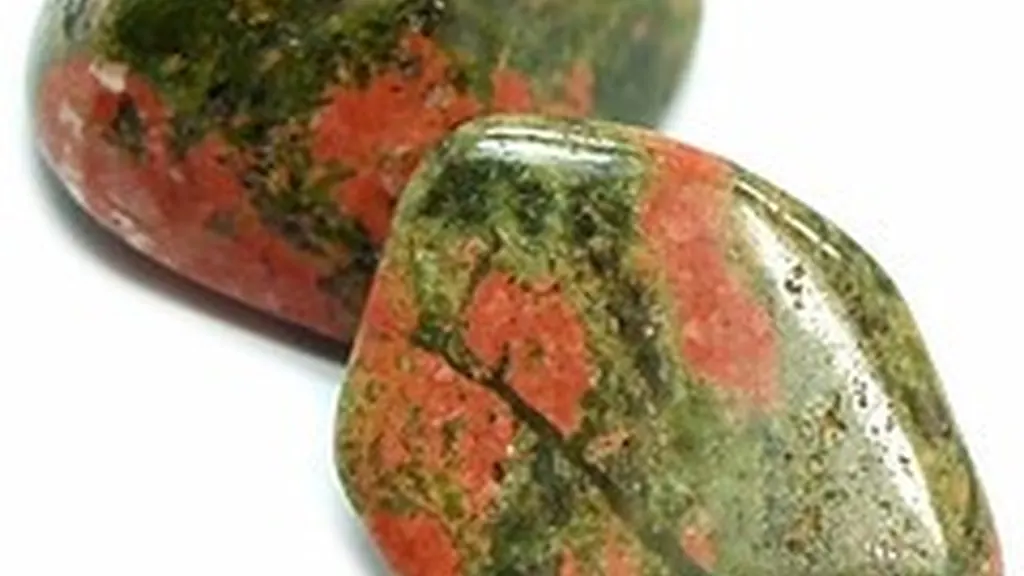
Stick to rocks around 7 on the Mohs scale: agate, jasper, chert, chalcedony, quartz, carnelian, aventurine, unakite and many petrified woods. Beach agates and jaspers are ideal: free, hard and already partly rounded. Check hardness with our hardness test helper.
What not to tumble (yet)
- Soft minerals like calcite, fluorite, malachite and selenite: they wear away to nothing or get scratched by harder stones
- Mixed hardness batches: soft stones get destroyed by hard ones
- Cracked, pitted or crumbly rocks: grit gets trapped and they break apart
- Obsidian and glass: possible, but need slower, gentler stages and padding
- Water-soluble minerals like halite
Don't pour grit down the drain
The used grit and rock mud (slurry) sets like cement in pipes. Pour it into a bucket, let it settle, and throw the sludge in the trash.
Common mistakes
- Rushing stage 1. Most of the work happens here; rocks must be fully smooth before moving on.
- Not cleaning between stages.
- Underfilling the barrel, which chips rocks.
- Tumbling soft and hard rocks together.
Not sure what your rocks are before you tumble them? Snap a photo with RockFinder to find out if they're hard enough.
Questions people ask
How long does it take to tumble rocks?
With a rotary tumbler, usually 4 to 6 weeks: about 7 days per stage for 4 stages, sometimes longer in the first (coarse) stage for very rough rocks. Vibratory tumblers are faster for the later stages but don't round off rough rocks as well.
What rocks are best for tumbling?
Hard rocks around 6.5 to 7 on the Mohs scale that aren't full of cracks: agate, jasper, chert, quartz, chalcedony, and many petrified woods. Unakite, aventurine and carnelian also tumble well. Tumble rocks of similar hardness together.
What rocks should you not tumble?
Very soft rocks and minerals (calcite, fluorite, selenite, malachite), rocks full of cracks or holes, crumbly rocks like sandstone, and water-soluble minerals like halite. Obsidian and glass need a gentler, slower process.
Why are my tumbled rocks not shiny?
Usually because grit from an earlier stage got into the polish stage, the rocks weren't smooth enough before polishing, the barrel was underfilled, or the rocks are too soft or porous to polish. Clean everything carefully and repeat the pre-polish and polish stages.
Keep reading
Agate: how to identify it and what it's worth
Banded stones that glow with a flashlight, from beach pebbles to $1,000 finds.
How to clean rocks and crystals safely
From soap and a toothbrush to rust removal, and what never to do.
Unakite: the pink-and-green rock that looks like a watermelon
Pink and pistachio green. The granite that looks like watermelon.