
How to clean rocks and crystals safely
Most finds come home covered in mud, clay or rust. Cleaning them can reveal amazing color and crystals, or ruin them if you use the wrong method. Here's what to do, from gentlest to strongest.
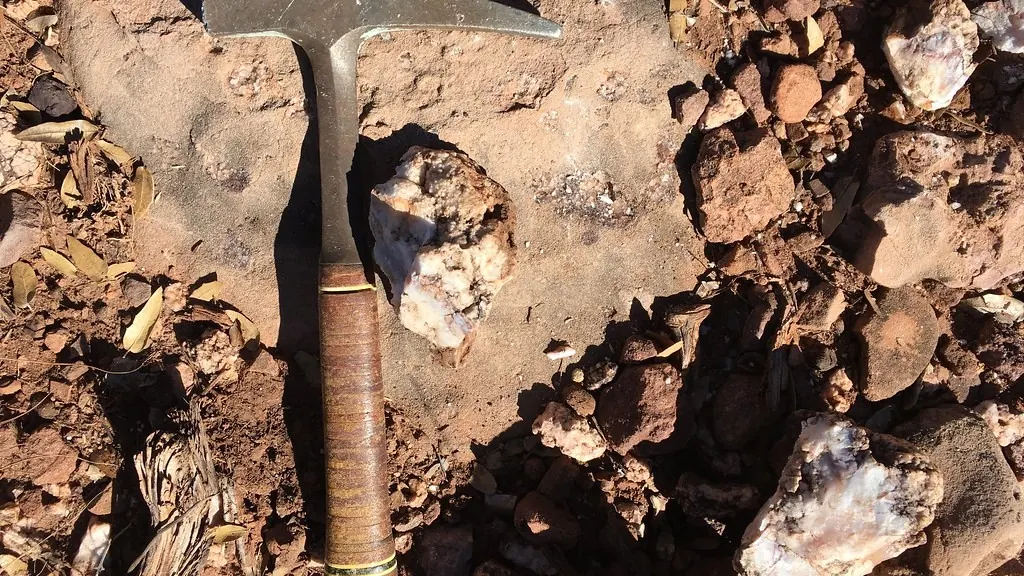
The golden rule of cleaning rocks: start with the gentlest method and only go stronger if you need to. And identify your find first, because a method that's perfect for quartz can destroy calcite in minutes.
Step 1: Dry brush
Let mud dry, then knock off loose dirt with a soft brush. This is the safe first step for everything, including fragile or water-soluble minerals.
Step 2: Water and dish soap
- Soak the rock in warm (not hot) water with a few drops of dish soap for a few hours or overnight.
- Scrub with an old toothbrush. A dental pick or wooden toothpick helps in cracks between crystals.
- Rinse and let it dry slowly at room temperature. Sudden heat or cold can crack crystals.
This is all most rocks ever need. Stubborn clay usually softens after a longer soak; change the water when it gets muddy.
Step 3: A gentle spray
A garden hose or shower head gets dirt out of pockets. Hard rocks like quartz, agate and jasper can handle a pressure washer at a distance, but it can snap delicate crystals and blast apart soft minerals.
Step 4: Chemical cleaning (know your mineral first)
| Problem | Method | Safe for | Never use on |
|---|---|---|---|
| White calcite crust | Soak in vinegar, rinse well | Quartz, amethyst, agate, jasper, chert | Calcite, limestone, marble, malachite, azurite, fossils in limestone |
| Rust / iron stains | Oxalic acid or iron-stain remover | Quartz and other hard, acid-safe minerals | Carbonates, soft or porous minerals |
| Moss, algae, organic grime | Weak bleach solution, rinse well | Most hard rocks | Porous stones, turquoise, opal, pearls |
Wear gloves and eye protection with any chemical, work outside or with good airflow, and never mix bleach with vinegar or other acids: that releases toxic chlorine gas.
Minerals that need special care
- Halite (rock salt): dissolves in water. Brush dry only. See our halite guide.
- Selenite and gypsum: very soft (hardness 2), and long soaking can damage the surface. Quick rinse, then dry.
- Calcite, marble, limestone: no acids, including vinegar and lemon juice.
- Malachite and azurite: soft copper minerals that react with acids. Water and a soft brush only.
- Opal and turquoise: porous; avoid soaking, soap residue, oils and heat.
- Pyrite and marcasite: keep them dry after cleaning; damp storage can make them crumble ("pyrite decay").
- Fossils: water and a soft brush; many are in limestone, which acids dissolve.
Not sure what you have? Check its hardness with our hardness test helper or snap a photo with RockFinder before using anything stronger than soap.
Making them shine
Rocks look best wet. To keep that look, rub on a thin coat of mineral oil or clear paste wax and buff it off. It's temporary and some collectors prefer specimens untreated, so skip it on anything valuable. For a permanent glassy shine, the rock needs polishing: see rock tumbling for beginners.
A quick guide by rock type
| Rock or mineral | Safe to use | Avoid |
|---|---|---|
| Quartz, agate, jasper, chert | Water, soap, brushes, oxalic acid for iron stains | Very little; quartz is tough |
| Calcite, marble, limestone, fossils in limestone | Water and a soft brush | Vinegar and all acids (they dissolve it) |
| Pyrite, marcasite | Dry brush, quick rinse, dry fast | Long soaking, humidity |
| Halite, gypsum (selenite), ulexite | Dry brush, soft cloth | Water (they dissolve or get damaged) |
| Malachite, azurite, turquoise | Damp cloth | Acids, ammonia, ultrasonic cleaners |
| Opal | Lukewarm water | Heat, sudden temperature changes, chemicals |
If you don't know what the rock is, stick to dry brushing and plain water until you've identified it.
Safety first
- Wear gloves and eye protection for any chemical cleaning, and work outdoors or in a well-ventilated space.
- Never mix cleaning chemicals, especially bleach with acids or ammonia.
- Keep chemicals, and minerals that contain lead, arsenic or mercury, away from children and pets.
- Dispose of used acid properly. Ask your local waste center.
Common mistakes
- Using a wire brush on soft minerals. It leaves scratches that can't be undone.
- Boiling or heating rocks to clean them. Many crack or lose color.
- Leaving specimens in water too long. Some clays swell and crumble, and pyrite starts to rust.
Questions people ask
Can I clean rocks with vinegar?
Only some. Vinegar is a weak acid that dissolves calcite, so it's useful for removing calcite crusts from quartz, agate or jasper. Never use it on calcite, limestone, marble, malachite, azurite, rhodochrosite, pearls or shells, because it eats them away.
How do I get rust off rocks?
Iron stains on quartz can be removed with oxalic acid (sold as 'wood bleach' or in some rust removers) or a commercial iron-stain remover. Use gloves, eye protection and good ventilation, and only on hard, acid-safe minerals like quartz. Never mix cleaning chemicals.
Which rocks should not get wet?
Halite (rock salt) dissolves in water. Selenite and other gypsum can be damaged by long soaking. Some minerals are water soluble or fragile, like borax, ulexite and some clays. If you don't know what it is, brush it dry first and identify it.
How do I make rocks shiny without polishing?
Wet rocks look shiny because the water fills tiny scratches. A thin coat of mineral oil or clear wax does the same temporarily. For a permanent shine, the rock has to be polished, for example in a rock tumbler.
Keep reading
Rockhounding: how to start hunting for rocks, gems and fossils
Treasure hunting for real. Where to go, what to bring, and what you might find.
Rock tumbling for beginners
The 4 grit stages, best rocks to start with, and mistakes to avoid.
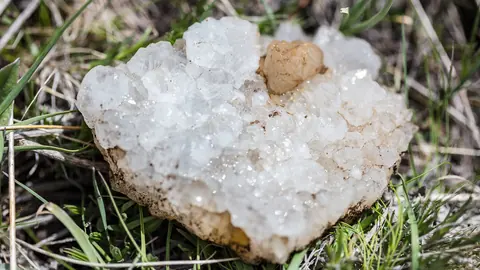
How to tell if a rock is quartz
Six easy tests to tell quartz from calcite, glass and feldspar.