
Rockhounding: how to start hunting for rocks, gems and fossils
Rockhounding is treasure hunting where the treasure is real, the hunting grounds are everywhere, and the entry fee is a pair of boots.
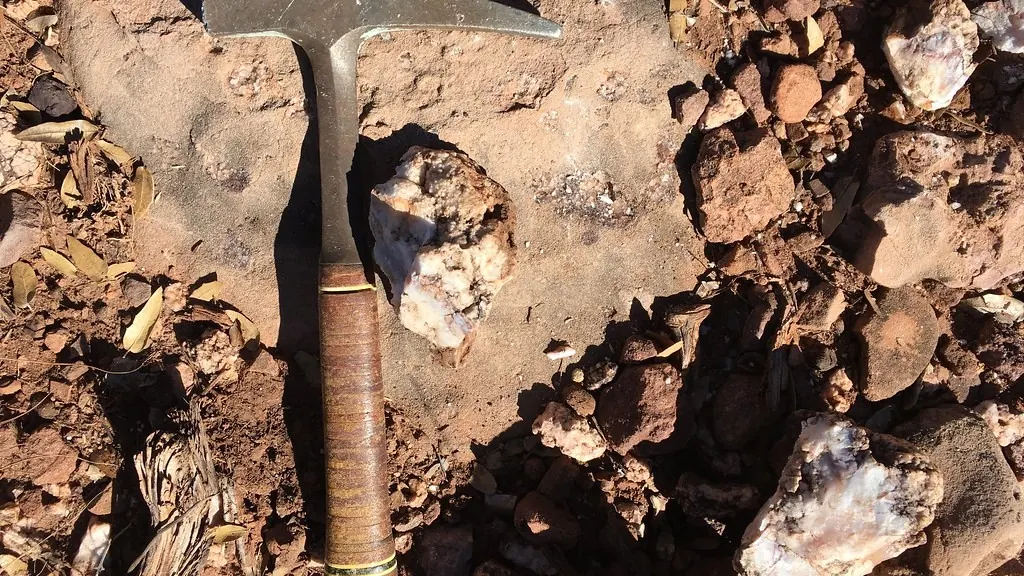
Rockhounding is the art of wandering around outdoors staring at the ground, and it's one of the most addictive hobbies there is. Every walk becomes a treasure hunt. Every stream is a jewelry store with no price tags. And unlike most treasure hunts, rockhounds really do find treasure: agates on beaches, crystals in road cuts, gold flakes in rivers and fossils in old quarries.
Here's how to get started without wasting a weekend or breaking any laws.
Where to go rockhounding
- River gravel bars: rivers bring rocks down from mountains and sort them for you. Hard, pretty stones like agate and chalcedony and quartzite survive the trip
- Beaches, especially after winter storms, which churn up fresh stones
- Road cuts and quarries: fresh rock faces show crystals and fossils (stay off busy roads, and get permission at quarries)
- Deserts: little vegetation means everything is lying in plain sight
- Fee-dig mines: pay a few dollars to dig for quartz, sapphires, garnets or even diamonds. Perfect for beginners and kids
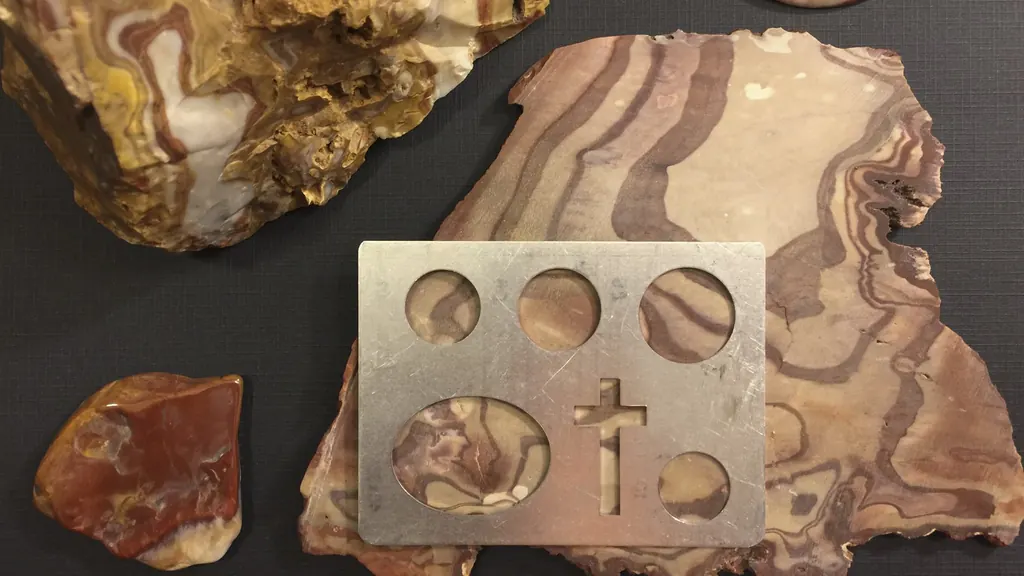
What to bring
| Item | Why |
|---|---|
| Bucket or sturdy bag | Rocks are heavy; plastic grocery bags tear |
| Spray bottle of water | Wet rocks show their true colors and patterns |
| Rock hammer and safety glasses | For splitting rocks; flying chips are sharp |
| Gloves and a small trowel | For digging in gravel |
| Hand lens (10x) | To see crystals and grains up close |
| Your phone | Maps, photos of where you found things, and RockFinder to identify finds on the spot |
The rules (seriously, read these)
- National parks: no collecting at all, not even a pebble
- Private land: always ask the owner first
- US public land (BLM): casual collecting of reasonable amounts for personal use is usually fine. Vertebrate fossils (bones, teeth) are protected, and so are artifacts like arrowheads
- Leave it better than you found it: fill your holes, take your trash
Rules vary a lot by country and state, so check local rules before every trip.
Beginner tips from old-timers
- Walk with the sun in front of you. Translucent stones like agate glow when backlit.
- Look for the odd one out: a color, shine or shape that doesn't match the rocks around it.
- Go after rain, when stones are washed clean.
- Join a rock club. Members know the local spots and organize field trips to private sites.
What rockhounds find, and what it's worth
| Find | Rough value |
|---|---|
| Pretty common pebbles, jasper, quartz | Free to a few dollars |
| Nice agates | About $5 to $100+, top ones far more |
| Quartz crystal clusters | About $10 to a few hundred dollars |
| Gold flakes from panning | Usually a few dollars per day of work |
| Rough sapphires or garnets from fee digs | A few dollars to hundreds if gem quality |
| A confirmed meteorite | Hundreds to thousands of dollars |
The real value is the story: the stone you found yourself on a cold beach is worth more to you than any shop crystal.
Prices are rough guides. Selling finds from public land is often not allowed, so check before you sell.
Found something?
Snap a photo with RockFinder right where you found it to learn what it is and whether it's worth keeping.
Questions people ask
What is rockhounding?
Rockhounding is the hobby of searching for and collecting rocks, minerals, crystals, gemstones and fossils, usually in nature. Rockhounds hunt on beaches, riverbeds, deserts, road cuts and fee-dig mines.
Is rockhounding legal?
Often, yes, with rules. In the US, casual collecting of small amounts is allowed on most Bureau of Land Management land, but it's banned in national parks and most state parks. On private land you need the owner's permission. Rules differ in every country, so check before you dig.
Where is the best place to start rockhounding?
Gravel bars in rivers, beaches after storms, and fee-dig sites are the easiest places to start. Pay-to-dig mines for quartz, diamonds, sapphires or geodes nearly guarantee you'll find something.
Can you make money rockhounding?
A few people do, but most rockhounds spend more on gas than they earn. The occasional find can be valuable, like a good agate, gem crystal or meteorite, but treat it as a hobby with a lottery ticket attached.
Keep reading
Types of rocks: the 3 kinds, and how to tell which one you're holding
Fire, layers or pressure? Every rock you find is one of three types.
Chalcedony: the glowing stone hiding on beaches and riverbanks
Hold it up to the sun and it glows. The beach stone with a hundred names.
Gemstone identification: 7 tests you can do at home
Sapphire or blue glass? Seven at-home tests that catch most fakes.