
Is my rock valuable? How to tell if a rock is worth money
Most rocks are worth very little, but some finds are worth real money. Here's how to tell the difference, and what to do if you think you've found something special.
It's worth starting with honesty: the vast majority of rocks people find, even beautiful ones, have little cash value. Common rocks like granite, basalt or limestone are sold by the ton for building and landscaping. Value comes from four things: rarity, quality, size and demand. A rare mineral in poor condition can be worth less than a common one with perfect crystals.
Finds that can be worth money
Meteorites
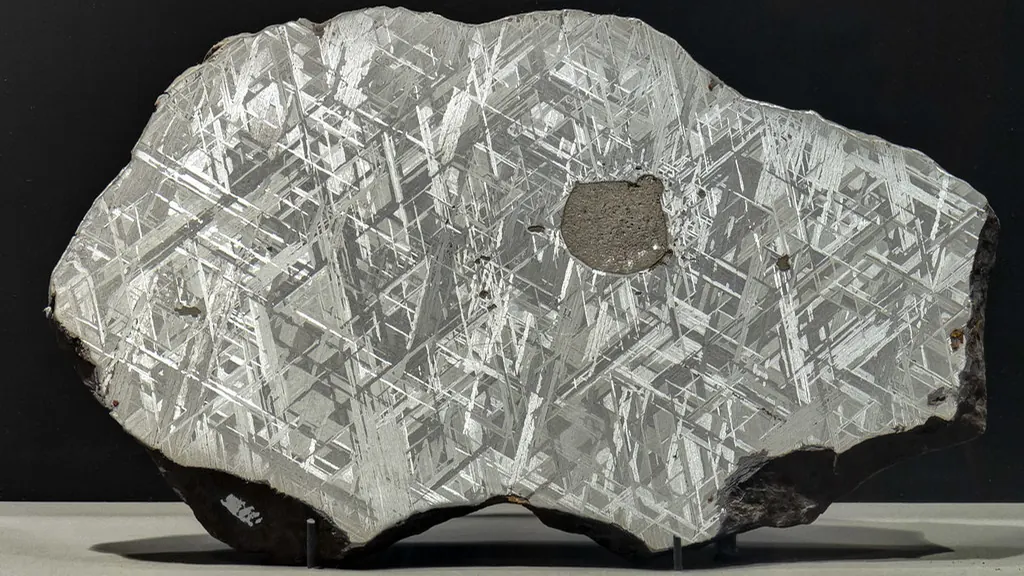
Real meteorites are rare and collectors pay well for them. Signs to look for:
- Much heavier than an ordinary rock of the same size
- A magnet sticks to it, because most meteorites contain iron-nickel metal
- A thin, dark, matte outer crust (fusion crust), sometimes with thumbprint-like dents
- No gas bubbles inside, and shiny metal flecks if a corner is ground down
Most suspected meteorites turn out to be slag from old furnaces, magnetite or hematite. Slag is usually full of bubbles; hematite leaves a red-brown streak on unglazed tile. If yours passes these checks, contact a university geology department or meteorite lab before doing anything else.
Gold
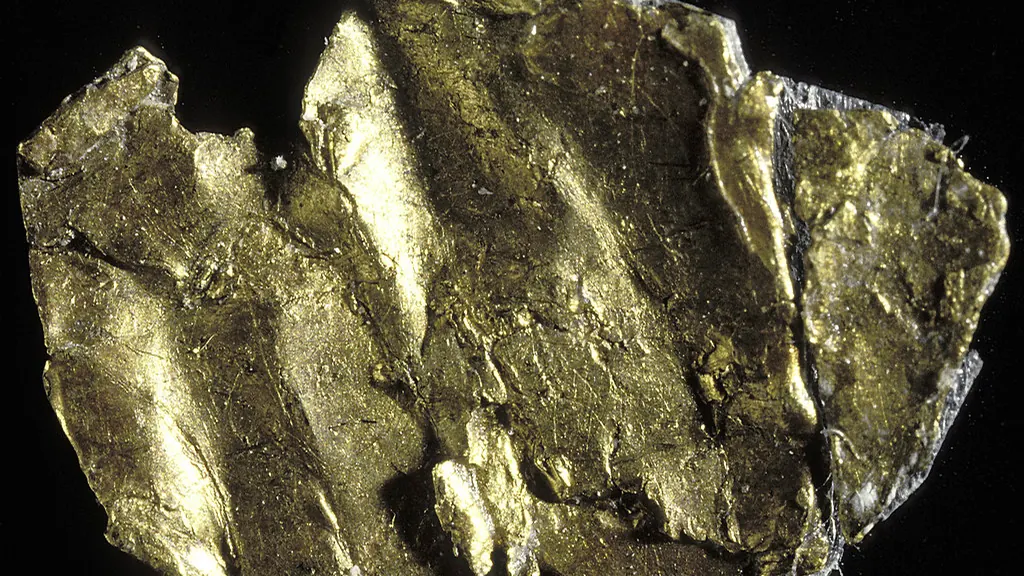
Native gold is soft enough to dent with a pin, stays bright yellow from every angle, leaves a golden-yellow streak, and is very heavy. Pyrite (fool's gold) is hard, brittle, often forms in cubes, and leaves a greenish-black streak. Mica flakes can also glitter like gold but are light and flake apart.
Gem-quality crystals
Sapphires, rubies, garnets, topaz and other gemstones are found in the rough in some areas, usually in streams and gravels. Gem-quality pieces are transparent, well-colored and free of cracks. Most rough pieces are too cloudy or fractured to cut, which keeps their value low.
Mineral specimens
Collectors value well-formed, undamaged crystals with sharp edges and good color, like amethyst clusters, quartz points, fluorite cubes or gold-colored pyrite cubes on matrix. Condition matters enormously: a chipped tip can halve a specimen's price.
Fossils
Complete, well-preserved fossils such as trilobites, ammonites or shark teeth can sell well, though common fossils are inexpensive. Be aware that fossil collecting is restricted or illegal in many places, especially for vertebrate fossils on public land.
Agates, geodes and jasper
These are very popular and fun to find, but they're common in many regions. Uncut pieces usually sell for a few dollars. Unusually large, colorful or well-banded examples, or polished slices, are worth more.
How to check what your rock is worth
- Identify it. Start with a photo in RockFinder for a likely name, then confirm it with the simple tests in our rock identification guide.
- Look at sold prices, not asking prices. Search completed sales on auction and marketplace sites for the same mineral, size and quality. Asking prices are often wildly optimistic.
- Get an expert opinion. Local rock and mineral clubs, university geology departments and natural history museums often help for free. For gemstones, use an independent gem lab. For possible meteorites, use a meteorite lab.
- Don't damage it. Don't scrub with acid, cut, polish or glue a potentially valuable find before it's been seen. Cleaning can destroy fusion crust, crystal faces and fossil detail.
The bottom line
If your rock is unusually heavy, magnetic, metallic, perfectly crystallized or transparent and colorful, it's worth a closer look. If it's an attractive but ordinary stone, its real value is the story of where you found it, and that's a perfectly good reason to keep it.