
Types of rocks: the 3 kinds, and how to tell which one you're holding
Every rock on Earth belongs to one of three families. Learn the family and you're halfway to naming any stone you pick up.
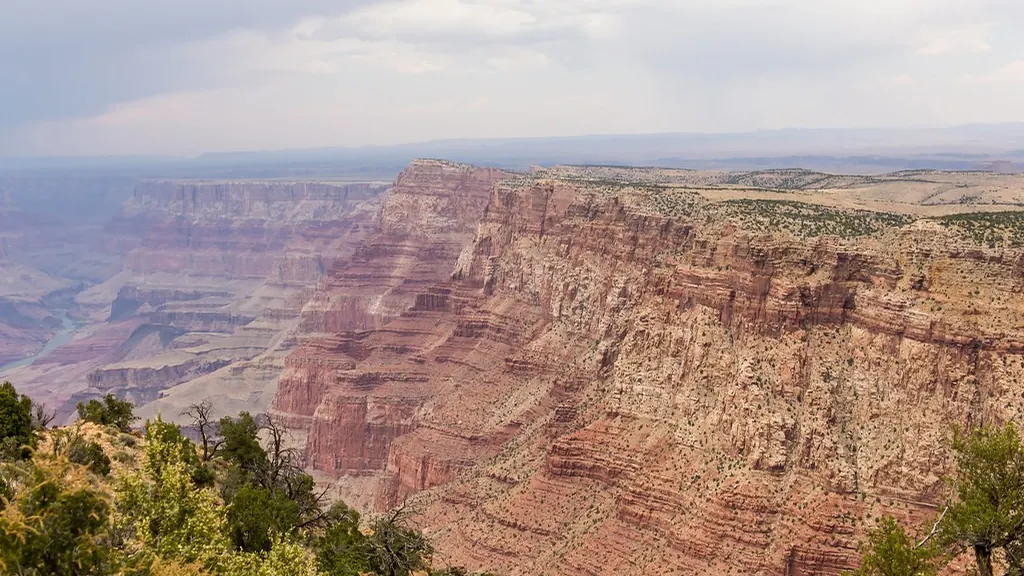
Pick up any rock, anywhere: a beach pebble, a chunk of driveway gravel, a stone from a mountain trail. It belongs to one of just three types of rocks. Geologists sort every rock on the planet into these families based on one question: how was it born?
Born in fire, born in layers, or born under pressure. That's the whole system. Here's how to tell them apart without a lab.
1. Igneous rocks: born in fire
Igneous rocks form when molten rock cools and hardens. If it cools slowly deep underground, crystals have time to grow big enough to see, like the speckled salt-and-pepper look of granite. If lava cools fast at the surface, the crystals stay tiny (basalt) or don't form at all, leaving glass (obsidian) or froth (pumice).
- Clues: interlocking crystals, no layers, gas bubbles, glassy surfaces
- Examples: granite, basalt, obsidian, pumice, rhyolite, scoria
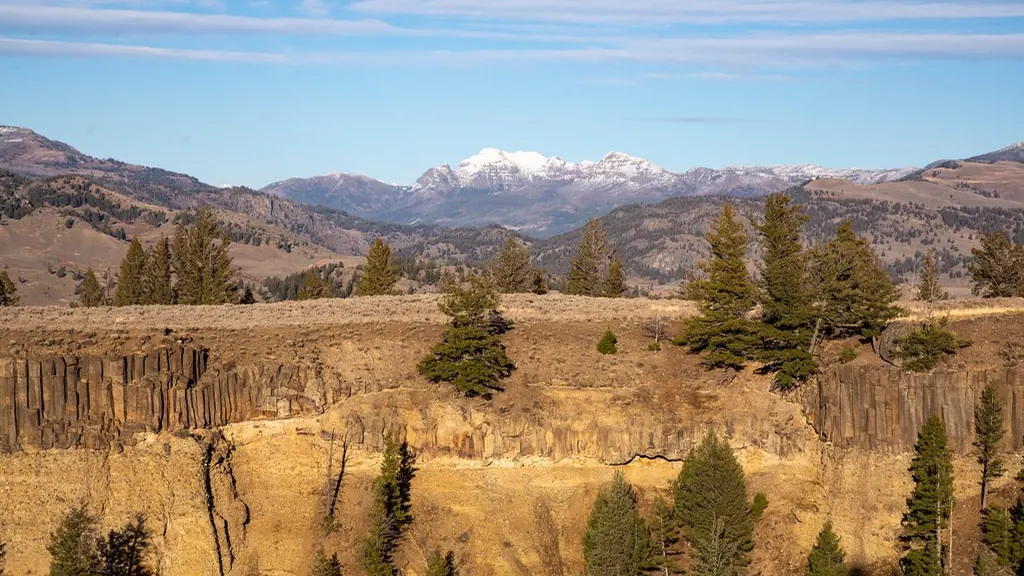
2. Sedimentary rocks: born in layers
Wind, rain and rivers grind rocks down into sand, mud and pebbles. Over millions of years these settle in layers, get buried and glue together. Shells and skeletons pile up too, which is why sedimentary rocks are where almost all fossils are found.
- Clues: visible layers, rounded grains, sandy or muddy feel, fossils, often soft
- Examples: sandstone, shale, limestone, chert, breccia
3. Metamorphic rocks: born under pressure
Take any rock, bury it deep, heat it and squeeze it for a few million years, and it transforms without melting. Minerals line up and recrystallize. Limestone becomes marble. Shale becomes slate, then schist, then gneiss. Sandstone becomes quartzite.
- Clues: wavy bands, sparkly flattened mica, crystals stretched in one direction, very hard and dense
- Examples: marble, slate, schist, gneiss, quartzite, soapstone
Quick cheat sheet
| You see… | Probably… |
|---|---|
| Speckled crystals locked together, no layers | Igneous (slow-cooled) |
| Bubbles, glass, or very fine dark rock | Igneous (fast-cooled) |
| Flat layers, sand grains, fossils | Sedimentary |
| Wavy stripes or a glittery sheen | Metamorphic |
The rock cycle: nothing stays the same
Here's the mind-bending part: rocks recycle. A mountain of granite wears into sand, the sand becomes sandstone, the sandstone gets buried and turns to quartzite, and one day it might melt and come back up as lava. The rock in your hand has probably been several types of rock over Earth's 4.5 billion years.
Which types of rocks are worth money?
| What you find | Rough value |
|---|---|
| Common rocks (granite, basalt, sandstone, shale) | Essentially nothing; landscaping stone sells by the ton |
| Pretty polished pieces of common rocks | About $1 to $10 |
| Fossils in sedimentary rock | A few dollars to thousands, depending on species and quality |
| Gem crystals from igneous or metamorphic rock | Tens to thousands of dollars |
| Meteorites (not from Earth at all) | Often $0.50 to $5+ per gram |
Most rocks are free, which is the best part: the fun is in the finding. But knowing the type tells you where to look for treasure. Gems hide in igneous and metamorphic areas; fossils hide in sedimentary layers.
Prices are rough guides and change with quality and demand.
Not sure which type you have?
Snap a photo with RockFinder and it will tell you the rock, its type and what makes it special.
Questions people ask
What are the 3 types of rocks?
Igneous rocks form from cooled magma or lava (granite, basalt, pumice). Sedimentary rocks form from layers of sand, mud or shells pressed together (sandstone, shale, limestone). Metamorphic rocks are older rocks changed by heat and pressure (marble, slate, gneiss, schist).
How can I tell what type of rock I have?
Look for crystals that interlock (igneous), layers, grains of sand or fossils (sedimentary), or bands and sparkly flattened minerals (metamorphic). Gas bubbles and glassy textures also point to igneous rock.
Which type of rock is most valuable?
No type is valuable by default. Gemstones and gold usually come from igneous and metamorphic settings, while fossils come from sedimentary rocks. Value depends on the specific mineral, quality and rarity.
Can one type of rock turn into another?
Yes. Through the rock cycle, any rock can melt into igneous rock, wear down into sediment, or be squeezed into metamorphic rock. It just takes millions of years.
Keep reading
Shale: the crumbly rock that holds Earth's best-kept secrets
The world's most boring-looking rock is a fossil vault. Here's how to open it.
Pumice: the rock that floats
Volcanic foam that floats, crosses oceans, and smooths your feet.
The Mohs hardness scale: test any rock with a fingernail, a coin and a knife
Fingernail, coin, knife, glass. The 200-year-old scratch test that still works.