
Where to find geodes in the US
Geodes are hollow rocks lined with crystals, and some parts of the US are full of them. Here are the best-known areas, state by state, plus how to recognize a geode before you crack it.
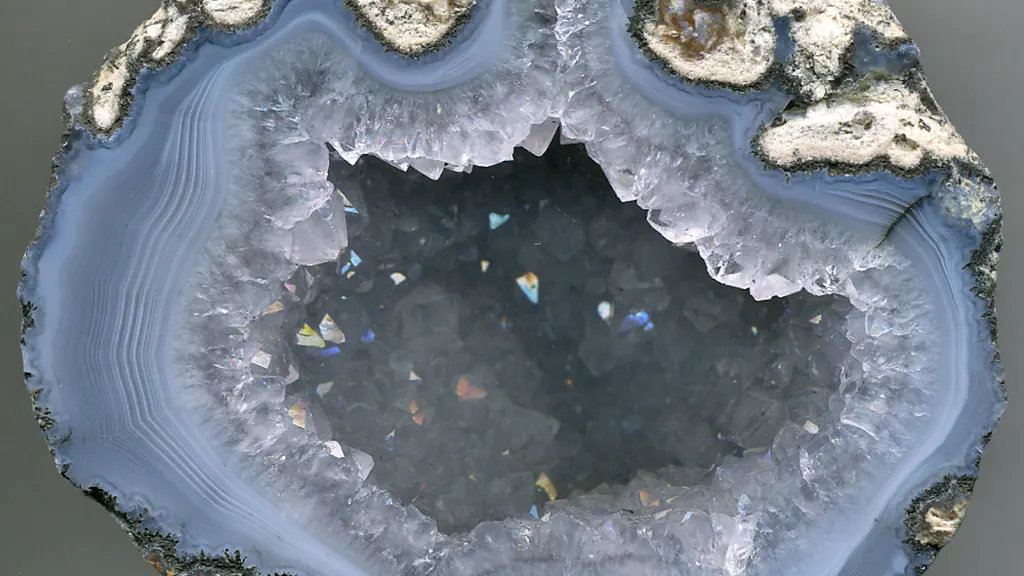
Geodes form in two main settings: in limestone and shale in the Midwest and South, where mineral-rich water filled holes left by dissolved nodules, and in volcanic rock in the West, where gas bubbles in lava became hollows. That's why they're plentiful in some states and nowhere to be found in others. For how geodes form and how to open one, see our main geode guide.
The best geode areas, state by state
| State | Where | What's inside | Access |
|---|---|---|---|
| Iowa, Illinois, Missouri | Keokuk region, creek beds along the Mississippi | Quartz, calcite, sometimes pyrite | Mostly private; fee-dig sites |
| Indiana | Creek beds in the south-central counties | Quartz, calcite, chalcedony | Mostly private |
| Kentucky | Creeks and road cuts in the central and south | Quartz, calcite | Mostly private |
| Utah | Dugway Geode Beds, west desert | Quartz, agate, sometimes hollow | BLM, free personal collecting |
| California | Hauser Geode Beds, Imperial County desert | Agate, quartz; many solid nodules | BLM, free personal collecting |
| Arizona | Desert areas in the southwest of the state | Agate, quartz | Mostly BLM |
| New Mexico | Rockhound State Park, near Deming | Geodes, thundereggs, jasper | Limited collecting allowed |
| Oregon | Central Oregon high desert | Thundereggs (the state rock) | BLM and fee-dig ranches |
| Tennessee | Middle Tennessee creeks | Quartz, calcite | Mostly private |
Rules and road conditions change. Check with the local BLM office or park before you go, and never dig on private land without permission. More in is it legal to take rocks?
Where to look once you're there
- Creek beds and gravel bars: water washes geodes out of the banks. Look after spring floods.
- Eroding hillsides and road cuts: geodes weather out of soft limestone and shale and roll downhill.
- Plowed fields: in the Midwest, farmers turn up geodes every year (always ask first).
- Desert washes: in the West, look in dry stream beds and on slopes below volcanic ash layers.
How to recognize a geode before you crack it
- Round or egg-shaped, usually 5 to 15 cm across.
- Bumpy, cauliflower-like skin, often a different color from the rocks around it.
- Feels light for its size. Pick up two similar rocks: the lighter one may be hollow.
- Rattles when shaken, sometimes, if loose crystals are inside.
No geodes near you?
Pay-to-dig sites and rock shops sell unopened geodes for a few dollars each, and cracking one open at home is just as much fun. Our geode guide shows the safe way to open one. Found a round rock you're unsure about? Snap a photo with RockFinder.
Questions people ask
Where is the best place to find geodes in the US?
The Keokuk area around the meeting point of Iowa, Illinois and Missouri is famous for geodes with quartz and calcite crystals. Southern Indiana and Kentucky creek beds, the Dugway Geode Beds in Utah and the Hauser Geode Beds in California are also well known.
How do you know if a rock is a geode?
Geodes are usually round or egg-shaped with a bumpy, cauliflower-like surface. They often feel lighter than a solid rock the same size because they're hollow inside. Some rattle when shaken if loose crystals are inside.
Can you find geodes anywhere?
No. Geodes form in certain limestones and in volcanic rocks, so they're common in some regions and absent in others. They're most often found in creek beds, road cuts, plowed fields and desert washes in geode-bearing areas.
Is it free to collect geodes?
On many BLM lands in the West, like the Dugway and Hauser geode beds, you can collect small amounts for personal use for free. Rockhound State Park in New Mexico allows limited collecting. Elsewhere, much of the land is private, so ask permission or visit a pay-to-dig site.
Keep reading
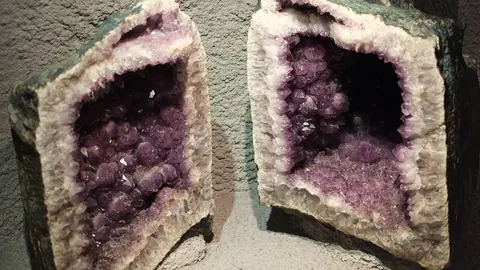
Geodes: how to find them, open them and what they're worth
Plain on the outside, a crystal cave inside. How to find, open and value them.
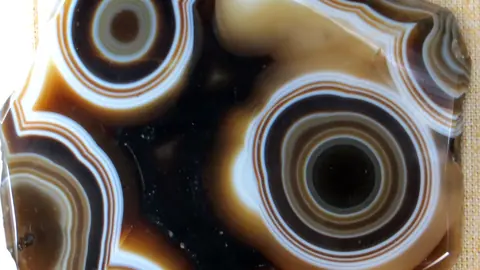
How to find agates
Where they hide, the best time to look, and how to spot the glow.
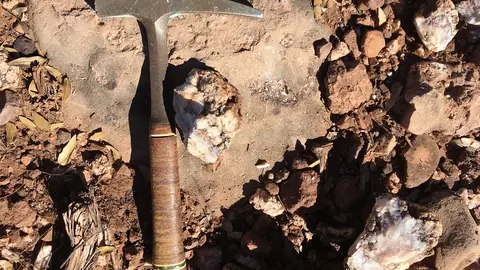
Rockhounding: how to start hunting for rocks, gems and fossils
Treasure hunting for real. Where to go, what to bring, and what you might find.