
Quartzite: the toughest rock on the beach
Quartzite is sandstone that was baked and squeezed until the grains welded into one solid mass. It's so hard it can outlast mountains.
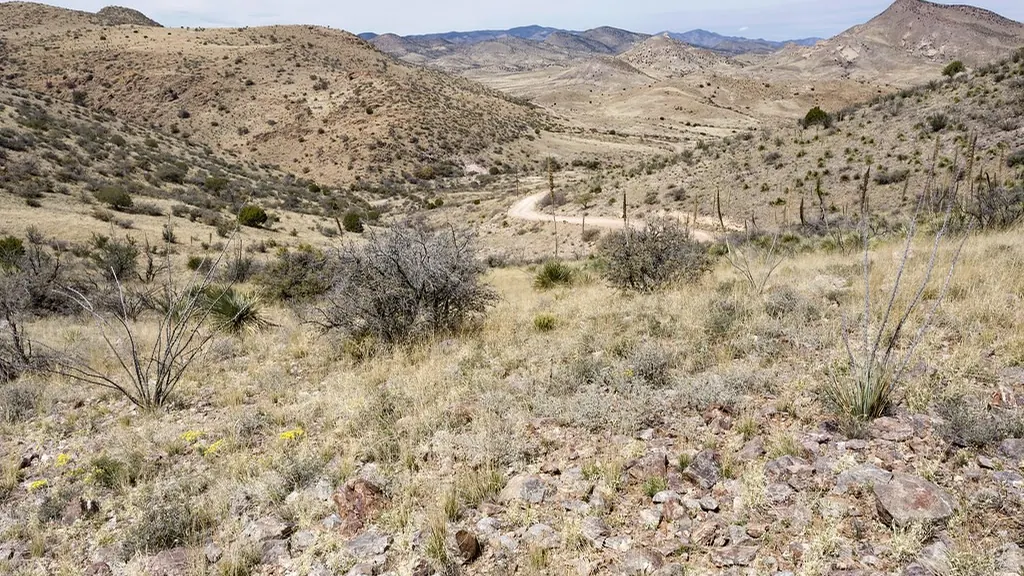
Pick up a rounded, pale, rock-hard pebble from a river or beach, and there's a good chance it's quartzite. Softer rocks wear away on the long tumble downstream. Quartzite just keeps going.
How quartzite forms
Start with sandstone: grains of quartz sand loosely glued together. Bury it deep, heat it up and squeeze it for millions of years. The quartz grains grow into each other until there's no gap left, and the rock becomes one interlocking mass. That's quartzite, a metamorphic rock that's nearly pure quartz.
How to identify quartzite
- Very hard: about 7, scratches glass and steel
- Sugary or grainy look, sparkling slightly in sunlight
- Breaks through the grains, leaving a smooth-ish, glassy break
- No fizz in vinegar
- Colors: white, cream, pink, grey, tan, red, sometimes green or blue
- Rounded and smooth as river pebbles, because it outlasts other rocks
Quartzite vs look-alikes
| Rock | Test |
|---|---|
| Sandstone | Rub it: sand comes off. Breaks around grains. Softer |
| Marble | Knife scratches it, fizzes in vinegar |
| Quartz (vein quartz) | Glassy and smooth, no grainy texture at all |
| Chert | Smooth and waxy, no visible grains |
The countertop trap
Quartzite is a popular luxury countertop stone. But some stone sold as "quartzite" is actually marble or dolomite, which are softer and etch when lemon juice or wine spills on them. Before buying, ask for a sample and test it: real quartzite scratches glass and doesn't fizz with vinegar.
And don't confuse quartzite with "quartz" countertops, which are engineered from crushed quartz and resin.
Fun facts
- Quartzite ridges often stand high because everything around them has eroded away. Parts of the Appalachians and the Baraboo Hills in Wisconsin are held up by quartzite.
- Early humans made hand axes from quartzite where flint was scarce.
- Green aventurine is quartzite sparkling with tiny green mica flakes, and it's sold as a gemstone.
What's quartzite worth?
| Item | Rough value |
|---|---|
| Quartzite pebbles and rocks | Essentially nothing |
| Landscaping quartzite | Sold by the ton, cheaply |
| Tumbled aventurine | About $1 to $3 |
| Countertop slabs | Roughly $60 to $200 per square foot installed |
Prices are rough guides and vary by region and color.
Hard, pale and grainy?
Snap a photo with RockFinder to tell quartzite from sandstone, marble and quartz.
Questions people ask
How do you identify quartzite?
Quartzite is very hard (it scratches glass), has a sugary, grainy look like fine sandpaper fused together, and when it breaks, the break goes through the grains, not around them. It's usually white, pink, grey, tan or reddish.
What is the difference between quartzite and sandstone?
Sandstone is loosely cemented sand: grains can rub off and it breaks around the grains. Quartzite is metamorphosed sandstone where the grains are welded together: it's much harder, nothing rubs off and it breaks across the grains.
How do I tell quartzite from marble?
Marble is soft (a knife scratches it) and fizzes in vinegar. Quartzite is much harder (it scratches glass) and doesn't react to acid. This matters a lot when buying countertops.
Is quartzite valuable?
Quartzite pebbles are worthless, but quartzite is valued as a building stone. Countertop slabs cost roughly $60 to $200 per square foot installed. Green aventurine quartzite is also sold as a gemstone.
Keep reading
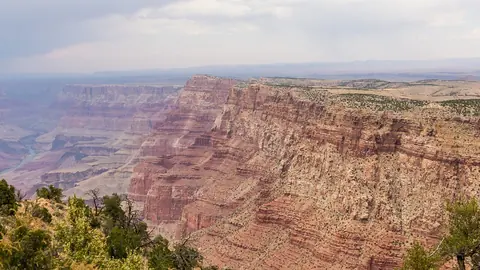
Types of rocks: the 3 kinds, and how to tell which one you're holding
Fire, layers or pressure? Every rock you find is one of three types.
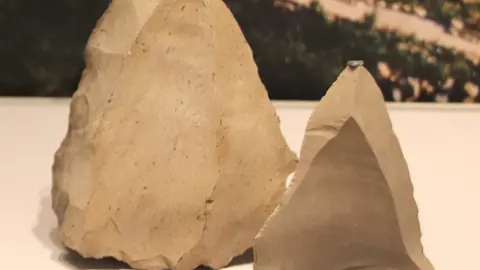
Chert: the rock that made the Stone Age possible
Humanity's first steel. Sharper than a scalpel, and probably in your local creek.
The Mohs hardness scale: test any rock with a fingernail, a coin and a knife
Fingernail, coin, knife, glass. The 200-year-old scratch test that still works.