
How to find fossils: a beginner's guide
You don't need to be a scientist to find a fossil. Shells, plants, crinoids and even shark teeth turn up on beaches, in creek beds and in road cuts across the world. The trick is knowing which rocks to look at.
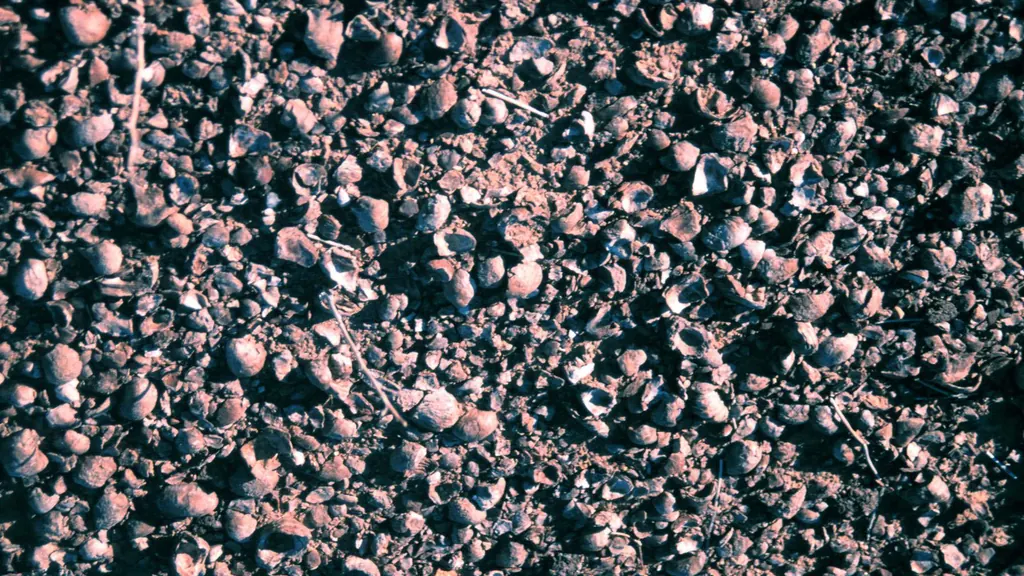
Fossils form when a plant or animal is buried quickly in mud or sand, and over millions of years the sediment turns to stone. That means fossils are in the rocks made from those layers: sedimentary rocks. Learn to spot those, and you're halfway there.
Step 1: look at the right rocks
| Rock | Fossils? | What you might find |
|---|---|---|
| Shale and mudstone | Often | Trilobites, leaves, fish, ammonites |
| Limestone | Very often | Shells, corals, crinoids |
| Chalk | Often | Sea urchins, shark teeth, sponges |
| Sandstone | Sometimes | Tracks, shells, petrified wood |
| Coal and coal shale | Often | Fern and tree-bark impressions |
| Granite, basalt, obsidian | Never | They were once molten |
Step 2: go where fresh rock is exposed
- Creek and river beds: water breaks rock apart and sorts pebbles, so fossils pile up in gravel bars. Look on the inside of bends.
- Beaches below cliffs: storms and high tides wash fossils out of the cliffs. Search the beach, not the cliff, and check tide times.
- Road cuts: fresh layers are on show. Only where it's legal and safe to stop, well away from traffic.
- Quarries: often the best spots of all, but only with permission. Some run open days for collectors.
- Plowed fields and construction sites: in fossil-rich areas, freshly turned soil can be full of shells (with permission).
Step 3: know what you're looking for
Fossils stand out because nature rarely makes these shapes in plain rock:
- Ribs or ridges fanning out (shells)
- Small round discs, sometimes with a hole in the middle (crinoid stems)
- Spirals (snails, ammonites)
- Honeycomb or star patterns (corals)
- Leaf veins or bark patterns on flat slabs
- Shiny, smooth triangles in sand or gravel (shark teeth)
- Porous, spongy texture in a heavy rock (possible fossil bone)
Search on overcast days or after rain, when wet rock shows more detail, and walk slowly with the sun behind you.
What to bring
- Safety glasses and gloves
- A rock hammer or small chisel (only where hammering is allowed)
- A hand lens or your phone camera to zoom in
- Newspaper or zip bags to wrap finds, and a marker to note where you found each one
- Water, sun protection and a charged phone
The rules
In the US, collecting is not allowed in national parks and many state parks. On public BLM land you can usually take small amounts of common invertebrate and plant fossils for personal use, but vertebrate fossils (bones, teeth of land animals) need a permit. On private land, ask first. Other countries have their own rules, and some protect whole coastlines. Read is it legal to take rocks? before you go.
Good places to start in the US
- Cincinnati area (Ohio, Kentucky, Indiana): limestone and shale packed with shells, corals and trilobites.
- Calvert Cliffs, Maryland: shark teeth on the beach below the cliffs (collect on the beach only).
- Western Utah: fee-dig quarries for trilobites.
- Penn Dixie, New York: a fossil park where visitors can dig and keep Devonian fossils.
- Florida rivers: shark teeth and Ice Age fossils (Florida needs a permit for vertebrate fossils).
Found something?
Check our guide on how to tell if a rock is a fossil, or snap a photo with RockFinder to see what it most likely is.
Questions people ask
Where is the easiest place to find fossils?
Creek beds and beaches below cliffs made of shale, limestone or chalk. Running water and waves keep exposing fresh rock and wash fossils out of it. Quarries and road cuts in sedimentary rock are also good, but you need permission and must stay safe from traffic and falling rock.
What kind of rock are fossils found in?
Almost always sedimentary rock: shale, limestone, sandstone, mudstone, chalk and coal. These form from layers of mud and sand that buried living things. Igneous rocks like granite and basalt were molten, so they don't contain fossils.
Is it legal to collect fossils?
It depends on where you are. Collecting is banned in US national parks and many state parks. On BLM land you can usually collect small amounts of common invertebrate and plant fossils for personal use, but not vertebrate fossils like bones and teeth. On private land you need the owner's permission.
What is the most common fossil?
Shells are the most common: brachiopods, clams, oysters and snails. Crinoid stems (little stacked discs), corals and plant pieces are also very common. Bones and teeth are much rarer.
Keep reading
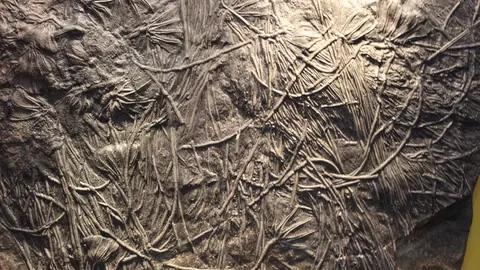
How to tell if a rock is a fossil
Patterns, symmetry and the right kind of rock: how to spot a fossil.
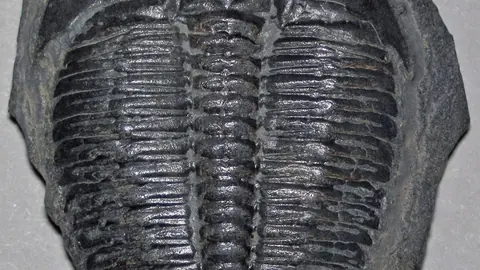
Trilobite fossils: what they are and where to find them
How to identify a trilobite, where to dig your own, and what they're worth.
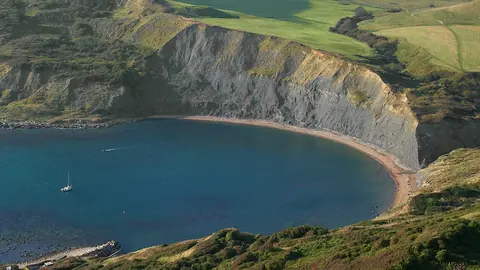
Shale: the crumbly rock that holds Earth's best-kept secrets
The world's most boring-looking rock is a fossil vault. Here's how to open it.