
How to identify rocks: a simple step-by-step guide
You don't need a lab to identify most rocks. A nail, a glass bottle, a bit of vinegar and a careful look will get you surprisingly far.
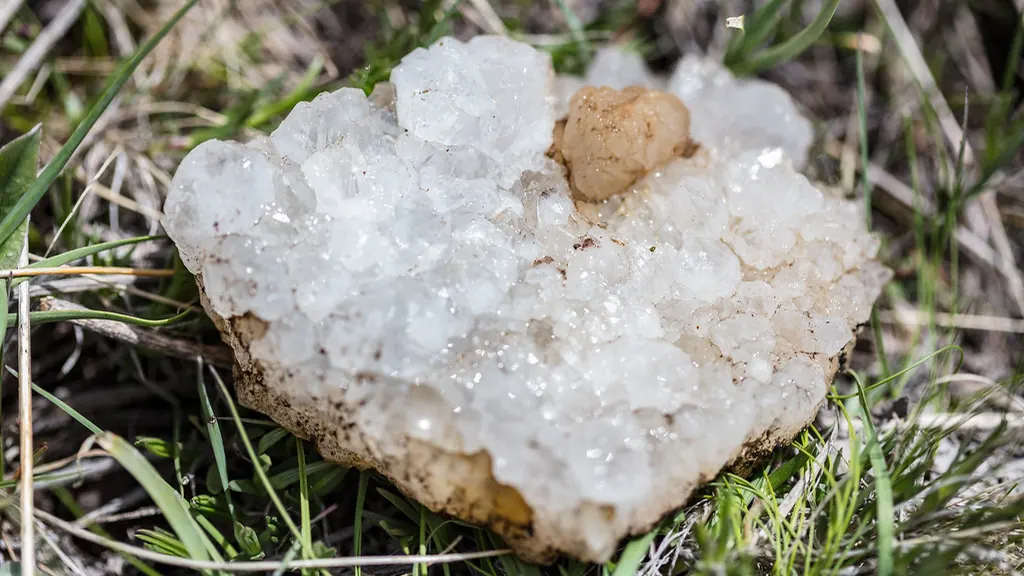
Geologists identify rocks the same way you'd identify a bird: they look at a handful of features and narrow down the options. Here's the order they work in, simplified for anyone standing in a field or on a beach with something interesting in their hand.
What you'll need
- A magnifying glass or your phone camera's zoom
- A steel nail or pocket knife, a copper coin, and a glass bottle or jar
- The unglazed back of a white bathroom tile (for the streak test)
- White vinegar and a fridge magnet
- Water, to clean and wet the rock
Step 1: Look at a clean, fresh surface
The outside of a rock is often stained, weathered or covered in lichen, which hides its real color. Rinse it, scrub off any dirt, and look for a broken face. Wetting the surface brings out colors and grains the way a polished stone would.
Step 2: Look at the grains and texture
Texture tells you which of the three big families your rock belongs to:
- Igneous rocks formed from cooled lava or magma. Look for interlocking crystals in random directions (like granite), or a very fine, even texture, sometimes with gas bubbles (like basalt or pumice). Glassy rocks like obsidian are igneous too.
- Sedimentary rocks are built from bits of other rocks, shells or minerals that settled in layers. Look for rounded grains you can sometimes rub loose (sandstone), visible layers, or fossils (limestone, shale).
- Metamorphic rocks were changed by heat and pressure deep underground. Look for bands or stripes (gneiss), flat shiny flakes that catch the light (schist), or a sparkly, sugary texture (marble, quartzite).
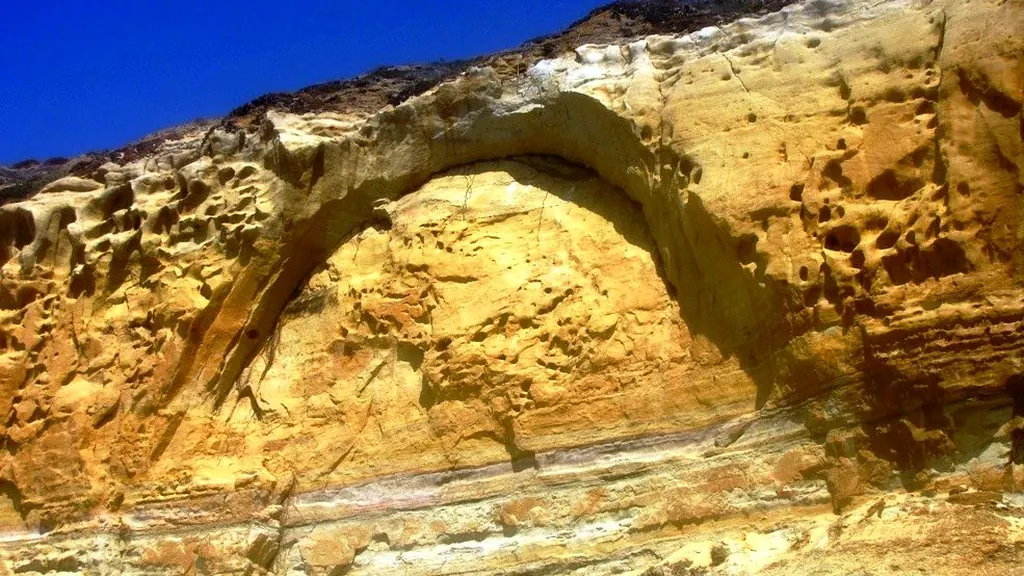
Step 3: Test the hardness
Hardness is one of the most reliable clues, and it's measured on the Mohs scale from 1 (talc) to 10 (diamond). Try to scratch the rock with each tool, starting with the softest, and look for a real groove rather than a line of metal rubbed off the tool.
| If it's scratched by… | Hardness is about… | Examples |
|---|---|---|
| Your fingernail | Under 2.5 | Talc, gypsum |
| A copper coin | Under 3.5 | Calcite, which makes up limestone and marble |
| A steel nail or knife | Under 5.5 | Fluorite, apatite |
| Nothing, and it scratches glass | 6 or more | Feldspar, quartz, quartzite |
For rocks made of several minerals, test a few different spots, since each grain can have its own hardness.
Step 4: Do a streak test
Rub the rock firmly across the unglazed back of a white tile. The color of the powder it leaves, called the streak, is often more telling than the rock's own color. Hematite can look black or silvery but always leaves a reddish-brown streak. Pyrite, or fool's gold, leaves a greenish-black streak, while real gold leaves a golden one. Minerals harder than the tile (about 6.5) won't leave a streak at all.
Step 5: Check the luster
Luster is how the surface reflects light. Tilt the rock under a lamp or in the sun and decide which word fits best:
- Metallic: shines like metal (pyrite, galena, hematite)
- Glassy: shines like broken glass (quartz, obsidian)
- Pearly or silky: a soft sheen (mica, some gypsum)
- Dull or earthy: no shine at all (chalk, clay-rich rocks)
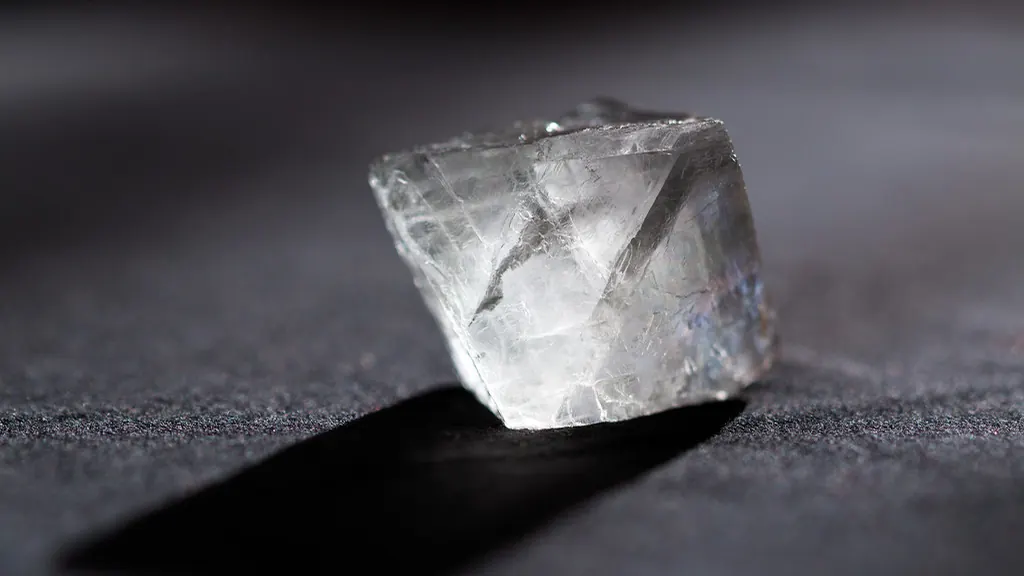
Step 6: Try the special tests
Vinegar. Put a few drops on the rock. If it fizzes, it contains calcite, which points to limestone, marble or chalk. Dolomite only fizzes weakly, usually after you scratch a little powder off.
Magnet. If a magnet sticks or pulls noticeably, the rock likely contains magnetite or iron. That's normal for magnetite and some basalts, and it's also one of the first checks for a possible meteorite.
Weight. Compare it to a similar-sized ordinary stone. A rock that feels unusually heavy may contain metal minerals.
Putting the clues together
Write down what you found: family, hardness, streak, luster and any fizz or magnetism. A white, sugary rock that fizzes and scratches with a knife is almost certainly marble. One that looks identical but scratches glass and doesn't fizz is quartzite. Two or three good clues usually settle it.
Rocks that mix several minerals are the hardest to pin down, because each test may give a different answer depending on where you try it. In that case, identify the main minerals one by one, then match the mix to a rock type. Granite, for example, is mostly quartz, feldspar and mica.
A quicker starting point
If you'd like a head start, you can snap a photo with RockFinder to get a likely name in a few seconds, along with the one test most likely to confirm it. Then use the steps above to check. A photo can't test hardness or check for fizz, so the two together work better than either alone.