
Pumice: the rock that floats
Drop most rocks in water and they sink. Drop pumice in and it bobs like a cork. It's volcanic foam, frozen in the split second of an eruption.
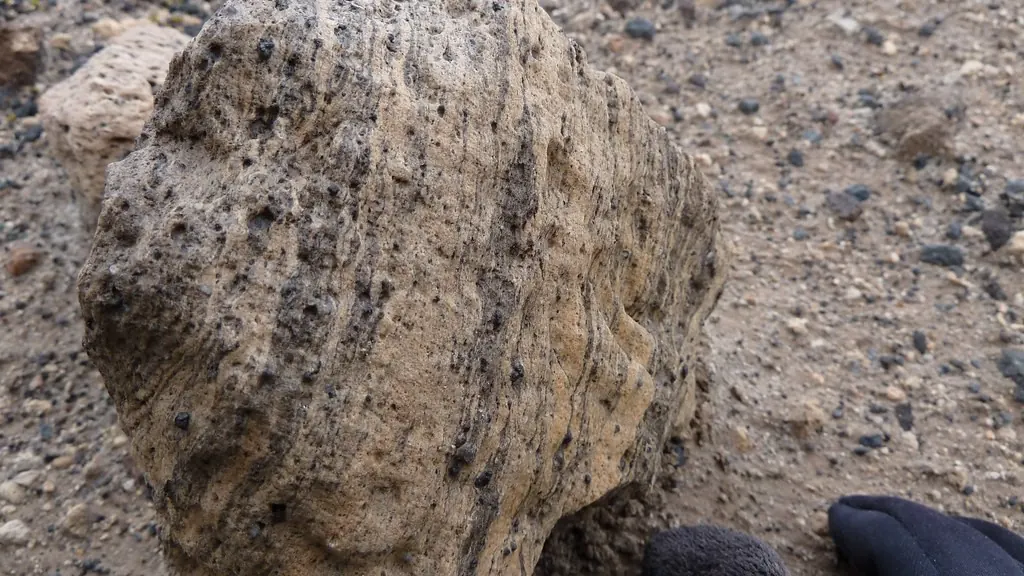
If you find a rock that's suspiciously light, pale and scratchy, try this: drop it in a glass of water. If it floats, congratulations, you're holding pumice, the only common rock that swims.
How pumice forms
Pumice is born in the most violent eruptions on Earth. Sticky, gas-rich magma races up a volcano, the pressure drops suddenly, and dissolved gas fizzes out like a shaken soda bottle. The molten rock froths into foam and freezes almost instantly into glass full of bubbles. The result can be over 90% empty space.
How to identify pumice
- Floats on water (at least at first)
- Very light for its size
- Pale: white, cream, light grey or tan
- Full of tiny bubbles, sometimes stretched into silky fibers
- Rough and abrasive: it will sand your fingertips
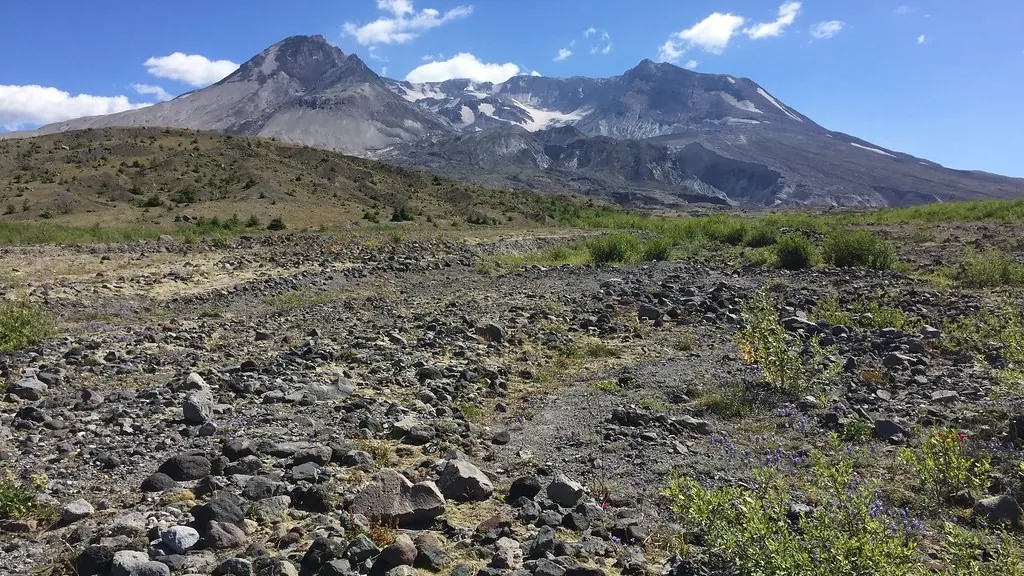
Pumice vs scoria
| Pumice | Scoria | |
|---|---|---|
| Color | Pale white, grey, tan | Dark red, brown, black |
| Bubbles | Small, many, thin walls | Larger, thicker walls |
| Floats? | Usually | No |
| Magma | Silica-rich, like rhyolite | Basalt |
Pumice rafts: floating islands of stone
When an underwater volcano erupts, it can launch so much pumice that it forms floating "rafts" covering hundreds of square kilometers. In 2012, sailors in the South Pacific sailed into a raft from the Havre Seamount eruption that was larger than many cities. In 2019 another raft, from an eruption near Tonga, drifted for months toward Australia, carrying barnacles, corals and crabs that hitched a ride.
Scientists think pumice rafts have helped sea life spread across oceans for millions of years. A few even suggest early life on Earth may have started inside pumice bubbles.
Pumice in your everyday life
- Foot pumice stones for smoothing rough skin
- Stonewashed jeans: the original "stonewash" used pumice in giant washing machines
- Lightweight concrete, used since Roman times. The dome of the Pantheon in Rome contains light volcanic rock
- Gardening: pumice keeps soil airy for cacti and bonsai
- Erasers and polishes, as a gentle abrasive
What's pumice worth?
| Item | Rough value |
|---|---|
| Pumice you find | Essentially nothing, but fun to float |
| Foot pumice stone | About $2 to $8 |
| Bag of gardening pumice | About $10 to $30 |
| Pumice from a famous eruption (Mount St. Helens, Krakatoa) | About $5 to $30 as a souvenir specimen |
Prices are rough guides. Don't collect pumice in national parks or protected volcanic areas.
Light rock, but which one?
Snap a photo with RockFinder to see if it's pumice, scoria or another volcanic rock.
Questions people ask
How do you identify pumice?
Pumice is very light, pale (white, cream, grey or tan), full of tiny gas bubbles and fibrous-looking holes, rough and scratchy, and usually floats on water. It forms in explosive volcanic eruptions.
Why does pumice float?
Pumice is volcanic glass blown full of gas bubbles. Many of the bubbles are sealed, so a piece can be less dense than water and float, sometimes for months or even years until water seeps in.
What is the difference between pumice and scoria?
Both are bubbly volcanic rocks, but pumice is pale, lightweight and frothy with small bubbles, and usually floats. Scoria is dark red-brown to black, has bigger bubbles and heavier walls, and sinks.
Is pumice worth anything?
Pumice is cheap: foot pumice stones cost a few dollars, and bulk pumice is sold by the bag for gardening. Unusual banded pumice or pumice from famous eruptions has small collector value.
Keep reading
Types of rocks: the 3 kinds, and how to tell which one you're holding
Fire, layers or pressure? Every rock you find is one of three types.

The Mohs hardness scale: test any rock with a fingernail, a coin and a knife
Fingernail, coin, knife, glass. The 200-year-old scratch test that still works.
Rockhounding: how to start hunting for rocks, gems and fossils
Treasure hunting for real. Where to go, what to bring, and what you might find.