
Is it legal to take rocks?
Picking up a pretty stone feels harmless, and often it is. But in some places it's against the law, and fines can be big. Here's a plain guide to where you can collect and where you can't.
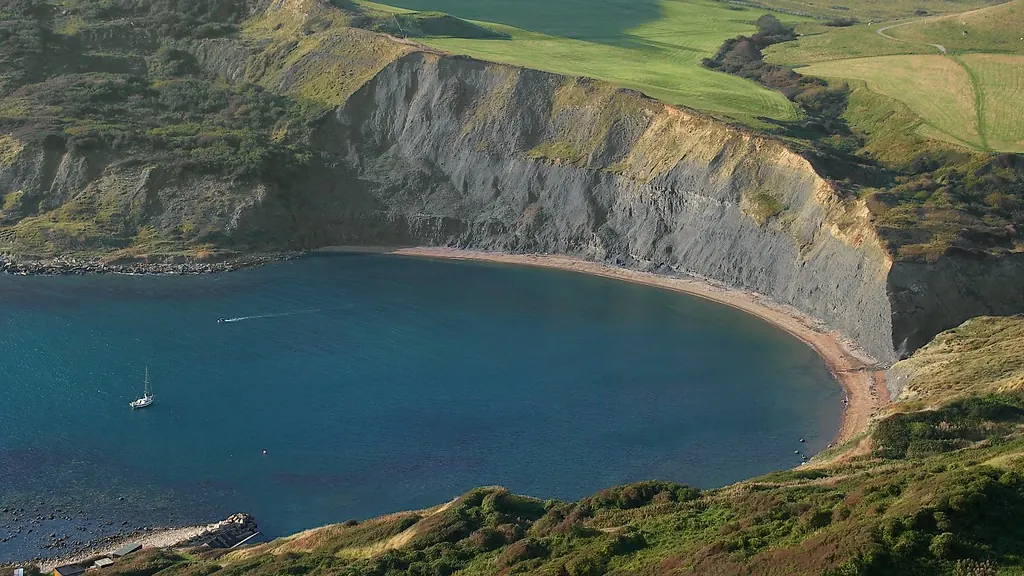
The short answer: it depends on where you are. Rocks, like everything else on land, belong to someone, whether that's a government, a park, a company or a private owner. The rules below are general; always check the specific place before you collect.
Quick guide by place
| Place | Can you take rocks? |
|---|---|
| National parks and monuments | No. Illegal almost everywhere. |
| State, provincial and regional parks | Usually no. A few allow it; check first. |
| Nature reserves, protected beaches, World Heritage sites | Usually no. |
| US Bureau of Land Management (BLM) land | Usually yes, small amounts for personal use. |
| US national forests | Often yes for small amounts of common rocks; rules vary by forest. |
| Ordinary public beaches | Varies. A few pebbles is often tolerated; some places ban it. |
| Private land | Only with the owner's permission. |
| Active mining claims | No, without the claim holder's permission. |
| Pay-to-dig sites | Yes, that's what you pay for. |
National parks: look, don't take
National parks exist to protect what's inside them, so removing rocks, fossils, minerals or even sand is illegal. Millions of visitors taking "just one" would strip a park bare. The famous example is Petrified Forest National Park, where visitors still try to pocket petrified wood and face fines. Take photos, and buy legally sourced specimens from park shops or rock shops instead.
Public land where collecting is allowed
In the USA, BLM land is the rockhound's friend. Hobby collecting of reasonable amounts of common rocks, minerals and gemstones for personal use is generally allowed without a permit, as long as you use hand tools and don't sell what you find. Petrified wood has its own limit: 25 pounds plus one piece per day, up to 250 pounds a year. Many national forests allow similar small-scale collecting, but rules vary, so call the local ranger station.
Beaches
Beaches are tricky because rules change from place to place. Some coasts restrict removing stones, sand or shingle because they protect the shore from erosion. Beaches in parks and reserves usually ban collecting completely. On ordinary public beaches, taking a few small pebbles is often tolerated, but look for signs, and never take from sea walls, cliffs or protected areas.
Fossils, meteorites and petrified wood
- Vertebrate fossils (bones, teeth) on US federal land need a permit. Many countries protect important fossils by law.
- Invertebrate and plant fossils (shells, leaves) can often be collected in reasonable amounts on BLM land for personal use.
- Meteorites usually belong to the landowner. On some public land, and in some countries, they're government property.
- Petrified wood: see the limits above, and our petrified wood guide.
Private land
On private land, everything belongs to the owner, including rocks, fossils and meteorites. Always ask first, ideally in writing if you plan to keep or sell something valuable. Many farmers and ranchers say yes if you ask politely.
Outside the USA
Rules differ a lot by country. Some countries ban exporting fossils, meteorites or certain minerals without a permit, even if you bought them legally. If you collect while traveling, check the local rules and customs requirements before you pack rocks in your suitcase.
Collecting responsibly
- Take only what you need, and leave some for others.
- Fill holes you dig, and don't damage outcrops or cliffs.
- Stay off closed areas and away from unstable cliffs and mine openings.
- Join a local rock club: they know the legal spots and often have permission for field trips.
More tips in our rockhounding guide. Planning to sell? Read where to sell rocks first, since rocks collected under "personal use" rules usually can't be sold.
This is general information, not legal advice. Always check the current rules for the exact place you plan to collect.
Questions people ask
Can you take rocks from a national park?
No. In US national parks, and in national parks in most countries, removing rocks, minerals, fossils, plants or anything else is illegal. Take photos instead. Some parks allow small exceptions, like gold panning or picking certain fruits, but rocks are almost never one of them.
Can I take rocks from the beach?
Sometimes. Many beaches allow a few small pebbles for personal use, but some places ban it entirely to stop erosion or protect wildlife, and beaches in parks and nature reserves usually forbid collecting. Look for signs and check the local council, state or park rules.
Is it legal to collect rocks on BLM land?
Generally yes. The US Bureau of Land Management allows hobby collecting of reasonable amounts of common rocks, minerals and semi-precious gemstones for personal use, without a permit, on most of its land. You can't use mechanized equipment, and you can't sell what you collect under these rules. Some areas are closed, so check with the local field office.
Can I keep a fossil I found?
It depends on the fossil and the land. In the USA, collecting vertebrate fossils (bones and teeth) on federal land requires a permit. Common invertebrate and plant fossils can often be collected in reasonable amounts on BLM land. On private land, fossils belong to the landowner. Other countries may protect fossils by law.
Keep reading
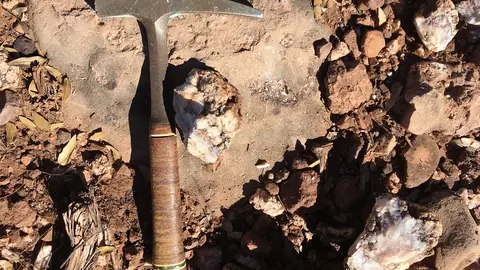
Rockhounding: how to start hunting for rocks, gems and fossils
Treasure hunting for real. Where to go, what to bring, and what you might find.
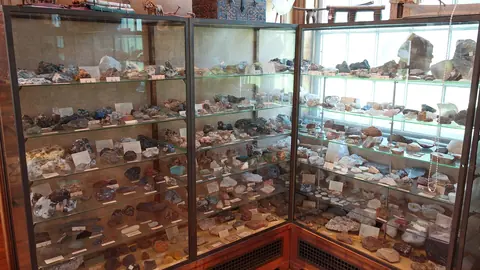
Where to sell rocks, minerals and crystals
Rock shops, shows, online and auctions: where to sell, and how to price it.
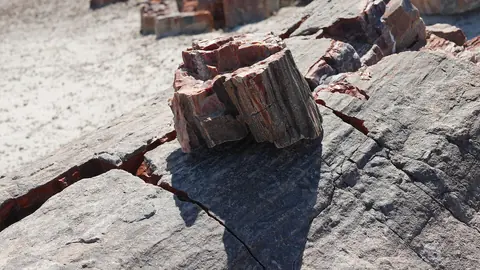
Petrified wood: how to identify it and what it's worth
Trees turned to stone: how to spot it, where it's legal to collect, and prices.
More guides
- Dinosaur bone: how to tell if you've found a piece of a dinosaur
- Tektite: glass splashed across the Earth by asteroid impacts
- Concretions: the weird round rocks everyone thinks are eggs
- Zodiac stones for every star sign
- Lodestone: the rock that's a natural magnet
- Trilobite fossils: what they are and where to find them