
Shale: the crumbly rock that holds Earth's best-kept secrets
Shale looks like the most boring rock on Earth. Then you split it open and find a 400-million-year-old trilobite staring back at you.
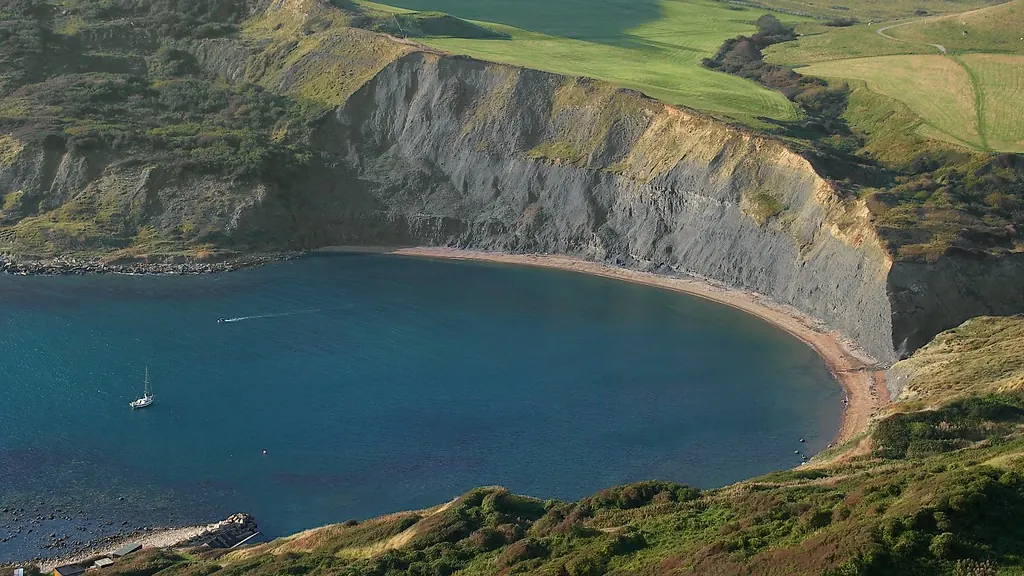
Nobody falls in love with shale at first sight. It's grey, it's crumbly, and it falls apart in your hands. But shale is the world's greatest storyteller. It forms from fine mud that settled slowly on the floors of ancient seas and lakes, and that gentle mud buried creatures so softly that they were preserved in amazing detail.
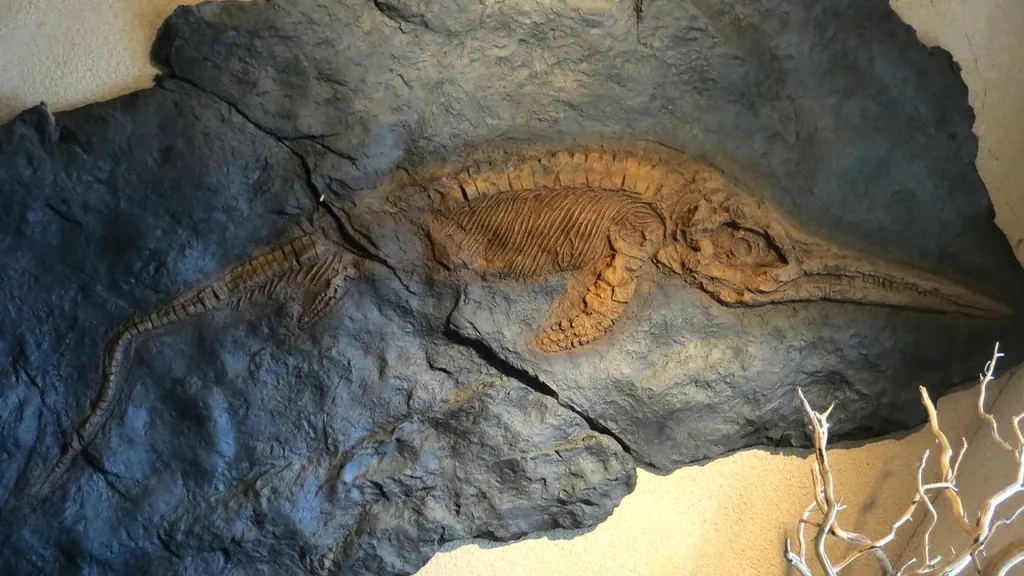
Some of the most famous fossils on Earth, like the strange creatures of Canada's Burgess Shale, come from this humble rock.
How to identify shale
- Very fine-grained: no grains visible, smooth feel (it's hardened mud and clay)
- Splits into thin layers, often breaking into flat flakes and chips
- Soft: a knife scratches it easily; some shale scratches with a fingernail
- Dull, earthy surface
- Earthy smell when you breathe on it or wet it
- Colors: grey and black are most common; red, green and brown also occur
Shale vs look-alikes
| Rock | How it differs |
|---|---|
| Mudstone | Same mud, but breaks into blocks instead of thin layers |
| Slate | Metamorphosed shale: harder, rings when tapped, smooth sheets with a sheen |
| Schist | Glittery with mica, much harder |
| Siltstone | Slightly gritty between your teeth or fingers |
Geologists really do sometimes nibble a rock: shale feels smooth on the teeth, siltstone slightly gritty and sandstone sandy. (Rinse first. Or just rub it on your fingers.)
Hunting fossils in shale
- Look at loose pieces at the base of shale cliffs and road cuts. Weather does the splitting for you
- Split thin layers with a knife or chisel along the bedding planes
- Look for leaf prints, shells, fish scales, trilobites, ammonites and crinoid stems
- Check rounded lumps: concretions in shale often have a fossil at their core
Shale crumbles as it dries out, so wrap good finds in paper and let them dry slowly. A thin coat of diluted white glue can help hold fragile specimens together.
Shale and energy
Black shale is rich in ancient plant and plankton remains. Buried deep and heated, that material turned into oil and natural gas. "Shale gas" and "oil shale" are why this boring-looking rock has shaped modern economies.
What's shale worth?
| Item | Rough value |
|---|---|
| Plain shale | Nothing |
| Fern or leaf fossils in shale | About $5 to $50 |
| Common trilobites (Elrathia from Utah) | About $10 to $40 |
| Fossil fish plates (Green River, Wyoming) | About $20 to several hundred dollars |
| Rare complete fossils from famous shales | Thousands of dollars or more |
Prices are rough guides. Fossils from protected sites can't be collected or sold; check local rules.
Layered grey rock?
Snap a photo with RockFinder to find out if it's shale, slate or something else, and what might be hiding inside.
Questions people ask
How do you identify shale?
Shale is fine-grained (no visible grains), soft enough to scratch with a knife, and splits easily into thin, flat layers. It's usually grey, black, brown, red or green, and smells earthy or like clay when breathed on or wet.
What is the difference between shale and slate?
Slate is shale that has been heated and squeezed into a metamorphic rock. Slate is harder, rings when tapped, has a slight sheen, and splits into smooth, stiff sheets. Shale is softer, duller and crumbles more easily.
Does shale have fossils?
Often, yes. Shale forms from quiet mud on sea and lake floors, which buries creatures gently. Famous shales like the Burgess Shale in Canada and Germany's Holzmaden shale contain spectacular fossils.
Is shale worth anything?
Plain shale is worthless as a rock, but fossils in shale can be worth from a few dollars to thousands. Shale also matters economically as a source of natural gas and oil.
Keep reading
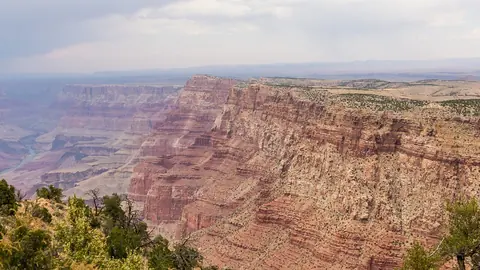
Types of rocks: the 3 kinds, and how to tell which one you're holding
Fire, layers or pressure? Every rock you find is one of three types.
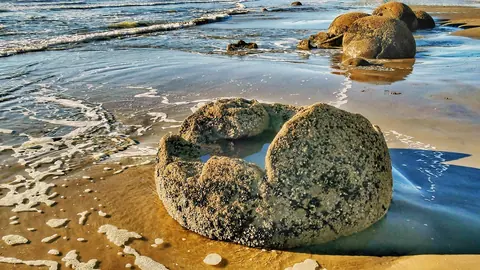
Concretions: the weird round rocks everyone thinks are eggs
Cannonballs, 'dinosaur eggs' and Martian blueberries. The mystery rock explained.
The Mohs hardness scale: test any rock with a fingernail, a coin and a knife
Fingernail, coin, knife, glass. The 200-year-old scratch test that still works.