
Real or fake? How to tell if your crystals are real
Fake crystals are everywhere: glass sold as quartz, dyed stones sold as turquoise, plastic sold as malachite. The good news is that most fakes give themselves away with a few simple tests you can do at your kitchen table.
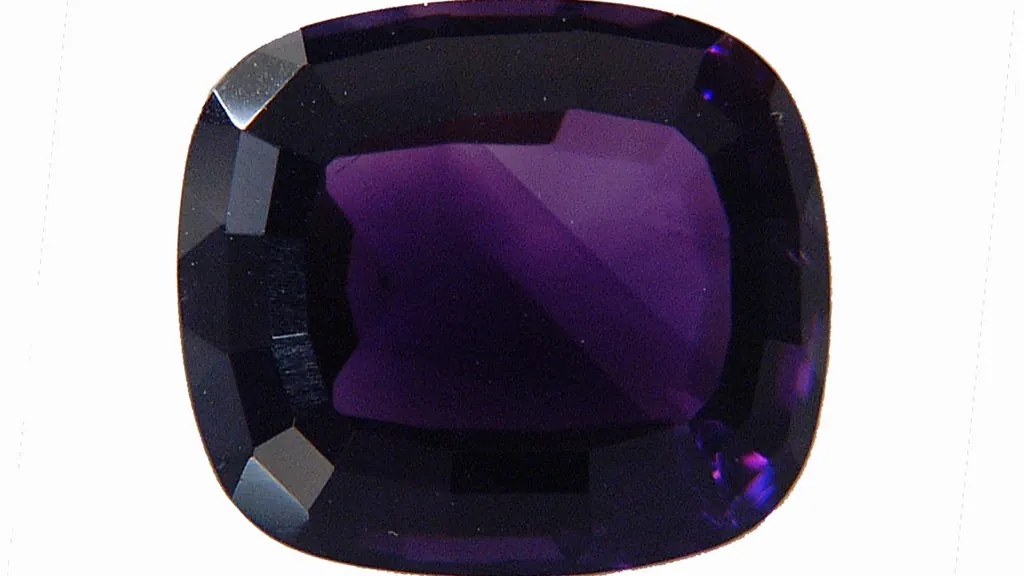
A crystal shop, a market stall and an online listing can all sell you the same thing: a lump of colored glass with a gemstone's name on it. Sometimes the seller doesn't know either. Fakes come in a few flavors, and once you know what they are, you'll start spotting them everywhere.
The 4 kinds of "fake" crystals
- Glass: the most common fake. Sold as clear quartz, amethyst, citrine, moldavite, obsidian and "opalite".
- Dyed stones: a real but cheap stone colored to look like an expensive one. Howlite dyed blue as turquoise, agate dyed bright pink or blue, quartz dyed any color.
- Plastic and resin: light, warm fakes of malachite, amber, turquoise and opal.
- Lab-made or treated: a real material made in a factory or changed by heat, like lab-grown opal or "citrine" that is really baked amethyst. These aren't worthless, but they should be sold honestly as what they are.
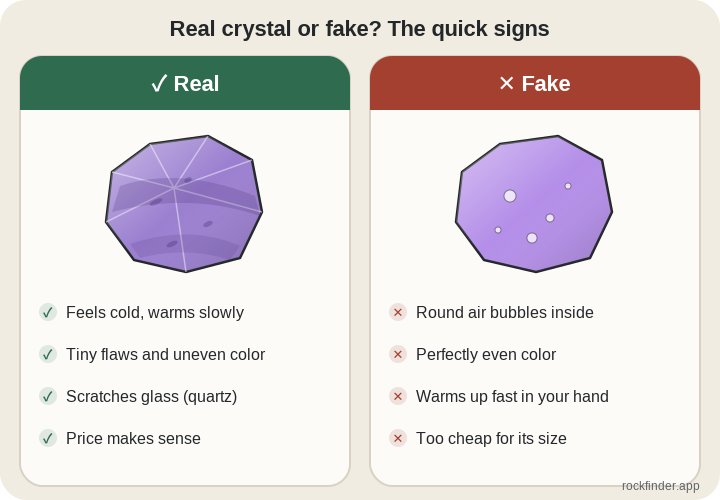
7 safe tests you can do at home
None of these need heat, flames or chemicals stronger than nail polish remover. Start at the top: the first three settle most cases.
1. The touch test
Hold the stone against your cheek or in a closed hand for a minute. Real crystals pull heat away from your skin, so they feel cold and stay cool for a while. Glass warms up faster, and plastic or resin feels barely cool at all, almost like your phone case.
2. The bubble test
Look inside with a magnifying glass, or zoom in with your phone camera and a bright light behind the stone. Perfectly round air bubbles and swirly lines mean glass or resin. Real crystals have their own marks instead: wispy veils, tiny cracks, cloudy patches and specks of other minerals.
3. The color test
Natural color is rarely perfect. Amethyst is darker at the tips, rose quartz is milky, turquoise has spots and veins. Be wary of one flat, even, candy-bright color all the way through, and look closely at cracks and holes: color that is darker in the cracks is dye that soaked in and collected there.
4. The scratch test (quartz family only)
Quartz, amethyst, citrine, rose quartz, agate and jasper have a hardness of about 7, so a sharp edge will scratch a glass bottle. Glass fakes can't easily scratch glass. Test on an old jar, press firmly, then wipe: a real scratch stays when you rub it, powder doesn't. Don't scratch soft stones like malachite, turquoise or opal; you'll damage them.
5. The weight test
Plastic and resin feel noticeably light for their size. Real malachite, hematite and many gemstones feel surprisingly heavy. For a real number, use our specific gravity calculator with a kitchen scale and a cup of water.
6. The acetone swab (for dyed stones)
Dip a cotton bud in acetone nail polish remover and rub a hidden spot for 10 seconds. If the cotton picks up blue, green or pink color, the stone is dyed. Work in a ventilated room and don't do this on pearls, amber, opal or anything glued.
7. The price and source test
A big, perfect, brightly colored piece of a rare stone for a few dollars is the biggest red flag of all. Buy rare stones like moldavite, larimar and natural citrine from sellers who say where the stone was mined and will take it back if it isn't what they said.
Real or fake guides, stone by stone
Each popular stone has its own favorite fakes and its own giveaway signs. Pick yours:
| Stone | Most common fake | Quick giveaway |
|---|---|---|
| Amethyst | Purple glass | Bubbles, even color |
| Clear quartz | Glass | Warms fast, can't scratch glass |
| Rose quartz | Pink glass, dyed quartz | Too clear, too bright |
| Turquoise | Dyed howlite | Acetone turns blue |
| Jade | Glass, dyed quartz, serpentine | Light, warm, scratches easily |
| Opal | Lab opal, glass, doublets | Neat "snakeskin" pattern |
| Moldavite | Green glass | Bright green, shallow texture |
| Malachite | Plastic, resin | Light, repeating bands |
| Lapis lazuli | Dyed jasper or howlite | Even blue, acetone turns blue |
| Tiger's eye | Glass "cat's eye" | Honeycomb pattern up close |
| Gold nuggets | Brass, plated lead, pyrite | Light, black streak, magnetic |
| Diamond | Cubic zirconia, glass | Breath fog lingers |
Is a "fake" always bad?
No. Glass and lab-made stones can be beautiful, and many people buy them on purpose. "Opalite", for example, is a man-made glass and is usually sold honestly under that name. What matters is that you pay a fair price for what it really is. Dyed howlite sold as turquoise at turquoise prices is the problem, not the howlite.
Still not sure?
Snap a photo with RockFinder. It tells you what your stone looks like, lists other possible matches, and gives you a safe test to confirm it at home.
Questions people ask
How can you tell if a crystal is real or glass?
Hold it in your hand for a minute: glass warms up quickly, real quartz stays cool longer. Then look inside with a magnifier or your phone camera zoomed in: round air bubbles and swirls mean glass. Real quartz is also hard enough to scratch glass, while glass can't scratch glass easily.
Are cheap crystals fake?
Not always. Common stones like clear quartz, rose quartz and amethyst really are inexpensive. But if a large, perfectly clear, brightly colored piece costs a few dollars, or a rare stone like moldavite or larimar is sold cheaply in big sizes, be suspicious.
What is the most faked crystal?
Turquoise is one of the most faked stones in the world, usually dyed howlite or magnesite. Glass 'quartz', heat-treated amethyst sold as citrine, dyed agate, glass 'opalite' and fake moldavite are also very common.
Is heat-treated citrine fake?
It's real quartz, but it isn't natural citrine. Most bright orange 'citrine' is amethyst that was baked to change its color. It should be sold as heat-treated. Natural citrine is a pale, smoky yellow.
Keep reading
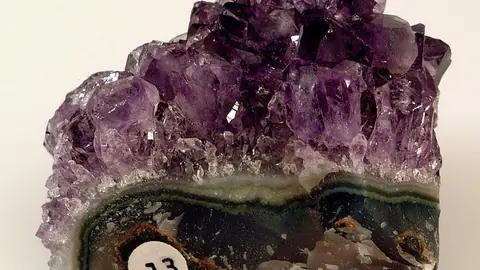
How to tell if amethyst is real
6 easy tests to tell real amethyst from purple glass and dyed quartz.
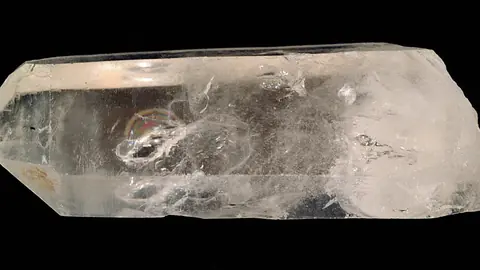
Glass vs crystal: how to tell real quartz from glass
5 quick tests to tell real quartz crystal from glass.
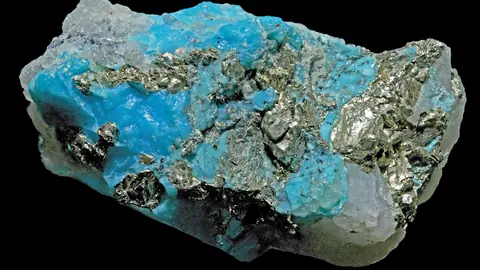
How to tell if turquoise is real
6 tests to spot dyed howlite, magnesite and plastic sold as turquoise.