
How to tell if jade is real
Jade has been prized for thousands of years, which is exactly why so much fake jade exists. Glass, dyed quartz, plastic and cheaper green stones are all sold as jade. Here's how to check yours.
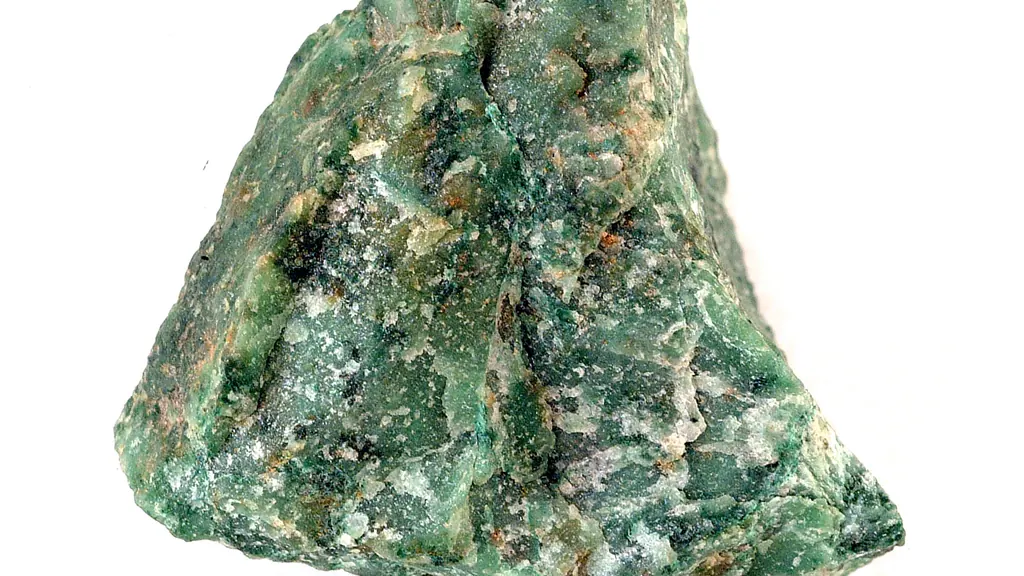
The word "jade" covers two different minerals: nephrite, the tougher and more common one, and jadeite, rarer and usually more expensive. Both are real jade. Everything else sold under the name, from green glass to dyed quartzite, isn't. Learn more about the common kind in our nephrite guide.
6 tests for real jade
1. The touch test
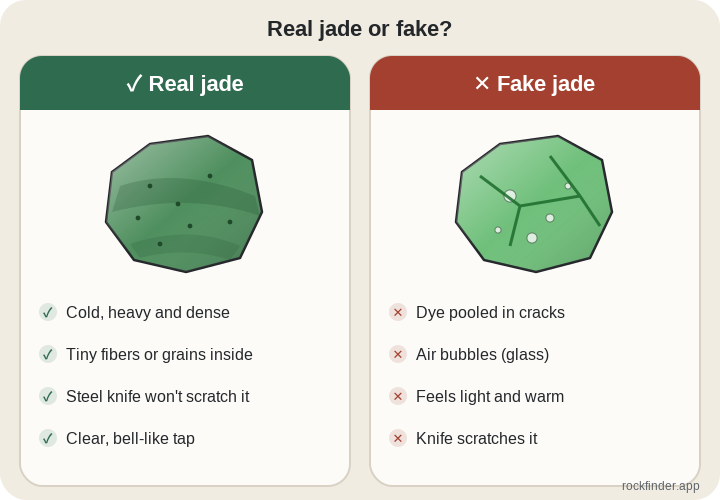
Jade is dense, so it feels cold and stays cool when you hold it, and it feels smooth, almost soapy, once polished. Glass warms up faster; plastic barely feels cool at all.
2. The weight test
Toss the piece gently in your palm. Jade feels heavier than you expect for its size. Jadeite has a specific gravity of about 3.3 and nephrite about 3.0, compared with 2.5 for glass and 2.6 for quartz. Our specific gravity calculator gives you the real number with a kitchen scale.
3. The look-inside test
Shine a phone flashlight through the stone in a dark room and look with a magnifier. Real jade shows a fibrous or grainy, felted texture and color that's a little uneven, often with paler and darker patches. Watch for these fakes:
- Round air bubbles: glass.
- Green color concentrated in cracks and along grain boundaries, like a spider web: dyed quartzite or dyed jade.
- Perfectly clear, glassy and evenly green: glass or plastic.
4. The scratch test
Press the tip of a steel knife or nail across an unseen spot, such as the underside or a drill hole. Real jade is tougher than steel, so the knife leaves at most a metal streak that wipes off. If the knife cuts a groove, you have serpentine, soapstone, marble, glass or plastic. Don't try this on a carving you care about.
5. The tap test
Hang a bangle or pendant on a string and tap it gently with another piece of jade or a glass marble. Real jade bangles often give a clear, ringing tone, while glass and resin sound flatter. It isn't a perfect test, since shape matters, but it's a useful extra clue.
6. The price and paperwork test
Fine jadeite is one of the most expensive stones on earth. A bright, translucent "imperial green" bangle for $30 is not natural jadeite. For valuable pieces, ask for a lab report stating "Type A" (natural, untreated).
What fake jade usually is
| Sold as jade | What it really is | How to tell |
|---|---|---|
| "Malaysia jade" | Dyed quartzite | Grainy, dye in cracks, very even bright green |
| "New jade", "Korean jade" | Serpentine | Knife scratches it, often oily yellow-green |
| "Jade" beads | Glass | Bubbles, warms quickly |
| Cheap carvings | Soapstone, resin | Very soft, light or slightly warm |
| "B jade" | Acid-bleached, resin-filled jadeite | Needs a lab; can look very glassy and bright |
| "African jade" | Green grossular garnet or other stones | Different weight and texture |
What real jade is worth
Prices vary enormously. Plain nephrite pebbles and small carvings can cost a few dollars to a few tens of dollars. Good nephrite jewelry runs from tens to hundreds of dollars. Translucent, bright green Type A jadeite can sell for thousands, and top "imperial" pieces for far more. Treated and dyed jade is worth much less, so it pays to know which you have.
Still not sure?
Take a photo with RockFinder. It tells you whether your green stone looks like jade, serpentine, aventurine or glass, and gives you a test to confirm it.
Questions people ask
What is the easiest way to tell if jade is real?
Hold it for a minute: real jade stays cool and feels heavy for its size. Then shine a flashlight through it and look for fine fibers or grains and slightly uneven color. Air bubbles mean glass, and color that's darker in the cracks means dye.
Does real jade scratch?
Real jade is tough. Nephrite is about 6 to 6.5 on the Mohs scale and jadeite about 6.5 to 7, so a steel knife (about 5.5) won't scratch either. If a knife easily leaves a mark, it's probably serpentine, soapstone, glass or plastic.
Is serpentine fake jade?
Serpentine is a real stone, but it isn't jade. It's often sold as 'new jade' or 'Korean jade' and costs far less. It's softer than jade, so a knife scratches it.
What are A, B and C jade?
Sellers grade jadeite by treatment. Type A is natural, only polished and waxed. Type B is bleached with acid and filled with resin. Type C is dyed. Type B+C is both. Only Type A keeps its value, so ask for a certificate on expensive pieces.
Keep reading
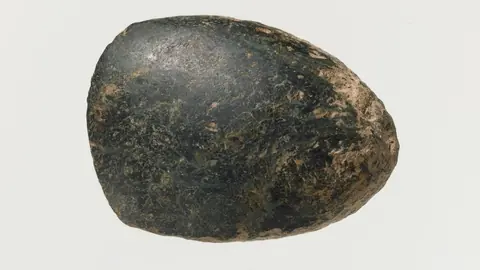
Nephrite: the 'kidney stone' jade that's tougher than steel
The jade that ancient people made axes from. Tough, beautiful, and often faked.
Real or fake? How to tell if your crystals are real
7 safe home tests to spot glass, dyed and plastic fakes, plus a guide for every popular stone.
Soapstone: the rock that feels like a bar of soap
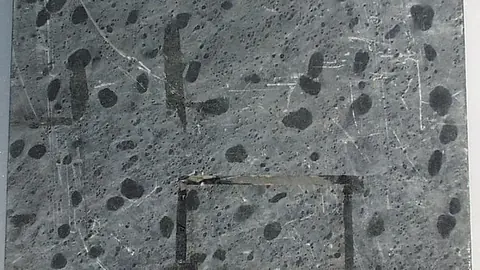
Soft enough to carve with a knife, tough enough to cook on for 5,000 years.