
Real vs fake opal: how to tell the difference
Opal's flashing colors are hard to copy, but lab-grown opal, glass, plastic and thin opal slices glued to backing all come close. Here's what to look for.
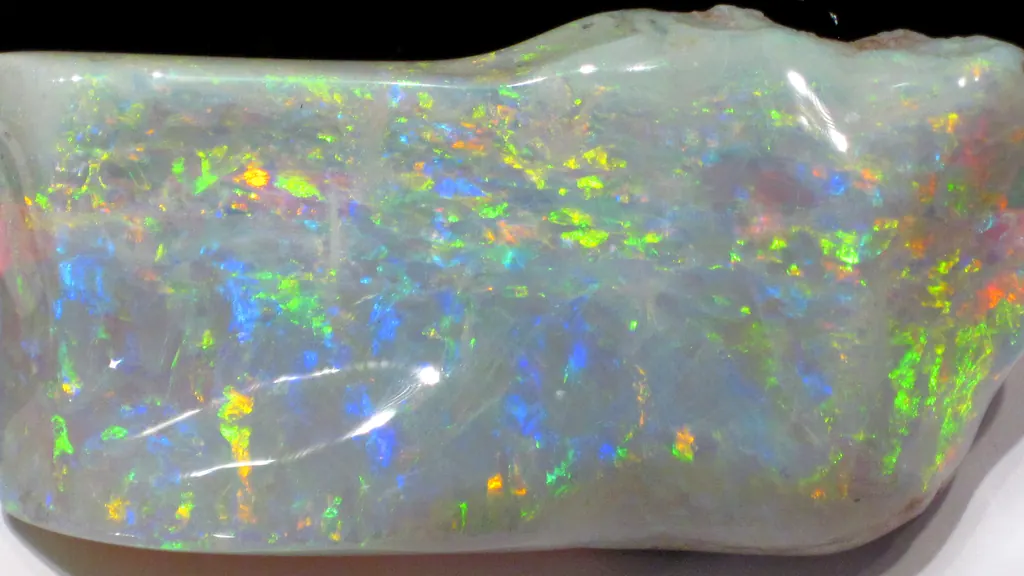
Precious opal gets its colors from tiny silica spheres stacked like oranges in a crate. Light bending through them creates "play of color". Nature stacks them imperfectly, which is exactly why real opal looks a little random. That randomness is your best clue.
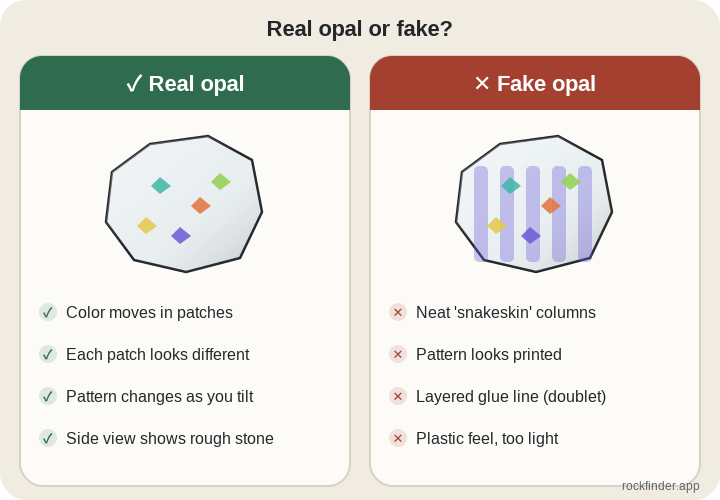
6 ways to check your opal
1. Study the color pattern
Use a magnifier or your phone's zoom. Natural opal shows irregular, mixed patches of color: some broad flashes, some pinpoints, with no repeating pattern. Lab-grown (synthetic) opal often has a neat columnar "snakeskin", lizard-skin or chicken-wire pattern when you look closely, especially from the side.
2. Tilt it
Turn the stone under one light. In natural opal, colors appear, disappear and move across the face. Printed foils and some plastics look the same from every angle, like a sticker.
3. Look at the side
This is the best test for assembled opals. A solid opal looks the same material through its whole thickness, maybe with some rough host rock on the back. A doublet shows a thin opal layer on a dark base with a perfectly straight join. A triplet has a clear, glassy dome on top as well. If the stone is set in a closed-back setting, ask why.
4. Look at the back
Natural "boulder" opal often has rough brown ironstone on the back. A smooth, flat, perfectly black back on a light-looking stone is a typical sign of a doublet.
5. Feel and weight
Opal is fairly light for a stone (specific gravity about 1.9 to 2.3), but plastic imitations are lighter still and feel warm. Plastic is also soft and scuffs easily.
6. Check the price and name
Bright, solid black opal is very expensive. A big, brilliant "black opal" for a few dollars is a doublet, triplet or lab stone. Read the label: "created", "lab", "simulated", "doublet", "triplet" or "opalite" all mean it isn't a solid natural opal.
Natural, assembled or fake?
| Type | What it is | Clue | Value |
|---|---|---|---|
| Solid natural opal | Opal all the way through | Random color patches, same material on the side | Highest |
| Boulder opal | Opal in its ironstone host | Brown rock on the back or through the stone | High |
| Doublet | Opal slice glued to a dark backing | Straight join on the side | Medium |
| Triplet | Doublet plus a clear cap | Glassy top layer, very even shine | Low to medium |
| Lab-grown opal | Man-made opal | Snakeskin or honeycomb pattern | Low |
| Opalite, plastic | Glass or resin | No real play of color; plastic feels warm | Very low |
Common opal with no color is real too
Most opal in the ground is "common opal": milky, waxy or glassy, in white, pink, yellow, blue or green, with no flashing colors. It's real opal and pretty, just much less valuable. Orange fire opal from Mexico is also natural, and may or may not show play of color.
Still not sure?
Snap a photo with RockFinder to see whether your stone looks like opal, chalcedony, glass or something else.
Questions people ask
How can you tell if an opal is real?
Tilt it under a light. Natural opal's colors come in irregular patches that change and move, and no two areas look the same. Lab opal often has an orderly snakeskin or honeycomb pattern. Check the side too: a dark, straight glue line means a doublet or triplet rather than solid opal.
Is opalite a real opal?
No. Opalite is a man-made milky glass that glows blue against dark backgrounds and orange against light ones. It doesn't have opal's flashing color patches. It's fine to buy as opalite, just not as opal.
What is an opal doublet?
A doublet is a thin slice of real opal glued to a dark backing like ironstone or black glass to make the colors look brighter. A triplet adds a clear quartz or glass dome on top. They're real opal but worth much less than a solid stone.
Can you put opal in water?
Solid natural opal can be wiped with a damp cloth, but don't soak doublets or triplets: water can get into the glue layer and make them cloudy. Keep all opals away from heat and harsh chemicals.
Keep reading
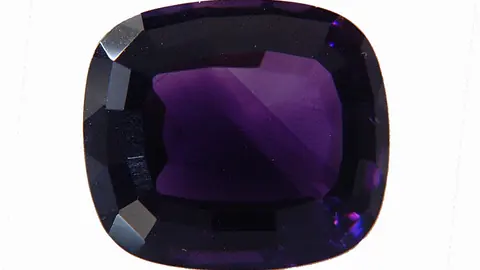
Real or fake? How to tell if your crystals are real
7 safe home tests to spot glass, dyed and plastic fakes, plus a guide for every popular stone.
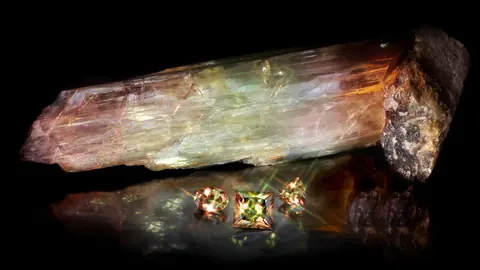
Gemstone identification: 7 tests you can do at home
Sapphire or blue glass? Seven at-home tests that catch most fakes.
Chalcedony: the glowing stone hiding on beaches and riverbanks
Hold it up to the sun and it glows. The beach stone with a hundred names.
More guides
- Limestone vs marble: how to tell them apart
- Types of rocks: the 3 kinds, and how to tell which one you're holding
- The Mohs hardness scale: test any rock with a fingernail, a coin and a knife
- Rockhounding: how to start hunting for rocks, gems and fossils
- Feldspar: the most common mineral you've never noticed
- Chert: the rock that made the Stone Age possible