
Unakite: the pink-and-green rock that looks like a watermelon
Unakite is granite that changed its mind: pink feldspar and pistachio-green epidote mixed into a speckled stone that looks good enough to eat.
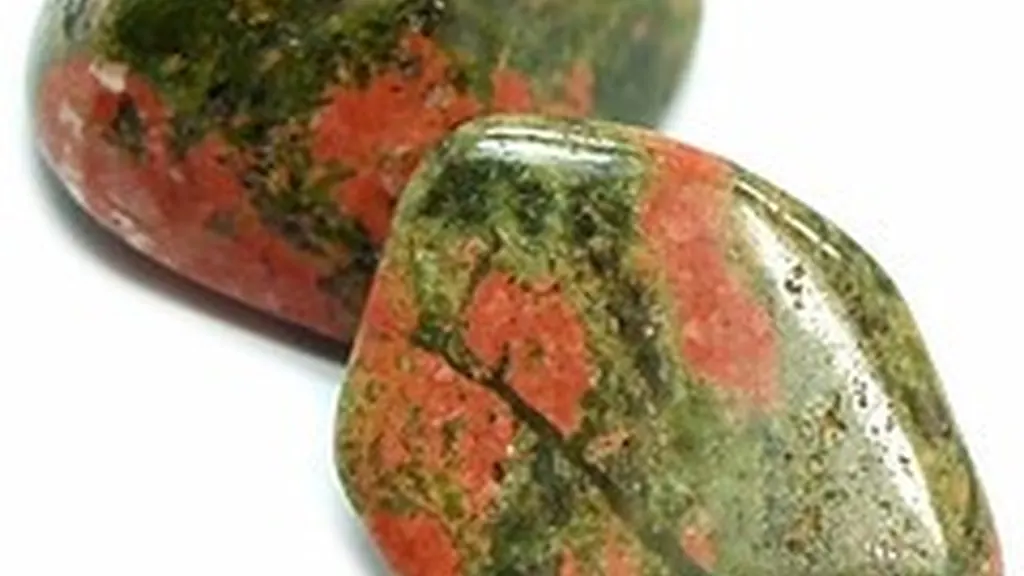
Some rocks are subtle. Unakite is not. It's a bold mix of salmon pink and pistachio green, like watermelon or strawberry-mint ice cream, and once you've seen it, you'll spot it on any beach or rock shop table.
What unakite is
Unakite is a type of altered granite. When granite deep underground is soaked by hot, mineral-rich fluids, some of its minerals transform. In unakite, part of the rock turned into epidote, a green mineral, while pink feldspar and grey quartz survived. The result is a granite-textured rock in candy colors.
It was named after the Unaka Mountains on the border of North Carolina and Tennessee, where it was first described in the 1870s.
How to identify unakite
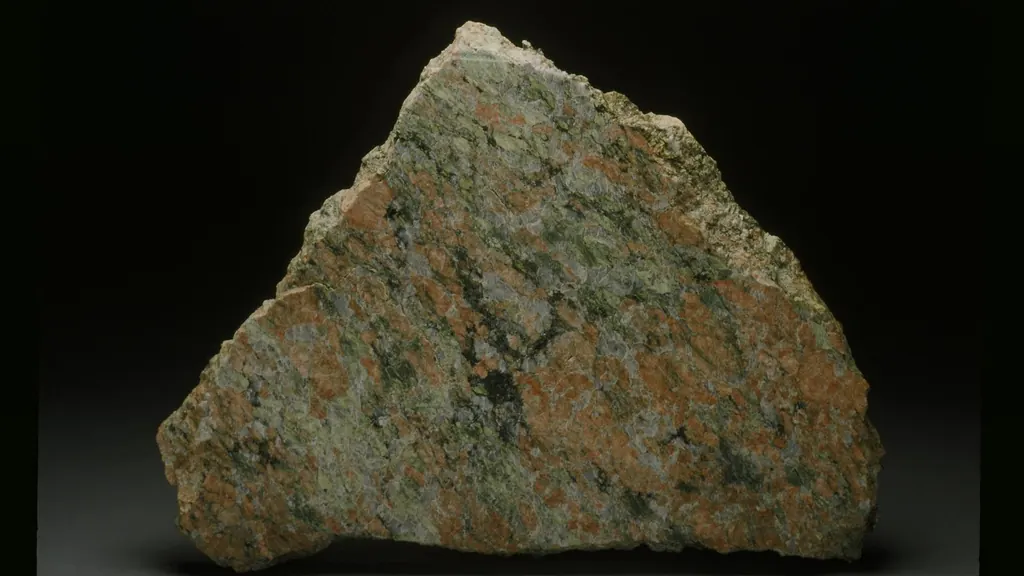
- Pink and green: salmon-pink feldspar, olive to pistachio-green epidote
- Grainy, granite-like texture with visible crystals
- Grey glassy quartz patches in many pieces
- Hard: about 6 to 7, scratches glass
- Heavy and solid, takes a good polish
Unakite vs look-alikes
| Stone | How it differs |
|---|---|
| Bloodstone | Smooth dark green with small red spots, no grains |
| Pink granite | Pink and white with black specks, no green |
| Rhodonite | Pink with black veins |
| Epidote in other rocks | Green, but without the bold pink feldspar |
Finding unakite on beaches
Glaciers carried unakite from Canada and dropped it across the Great Lakes region. Rockhounds regularly find rounded unakite pebbles on the beaches of Lake Superior and Lake Michigan. It's also found in river gravels in Virginia and the Carolinas.
Tip: wet the stones. Unakite's pink and green really pop when wet.
Why people love it
Unakite is hard, takes a glossy polish and doesn't need dyeing to look good, which makes it a favorite for beads, eggs, spheres and tumbled stones. Crystal fans associate it with balance and calm, probably because of its soothing natural color combination.
What's unakite worth?
| Item | Rough value |
|---|---|
| Beach pebbles | Free (and a great find) |
| Rough unakite | About $2 to $8 per pound |
| Tumbled stones | About $1 to $2 |
| Beads, cabochons, palm stones | About $3 to $20 |
| Carvings and spheres | About $15 to $60 |
Pieces with an even mix of strong pink and bright green, and few dull grey areas, are the most desirable.
Prices are rough guides.
Where unakite comes from
Unakite is named after the Unaka Mountains on the border of North Carolina and Tennessee, where it was first described. It forms when granite is changed by hot fluids: the pink potassium feldspar stays, while the original dark minerals and plagioclase turn into green epidote. Geologists call this process epidotization.
Besides the Blue Ridge Mountains of Virginia, North Carolina and Tennessee, unakite is found in South Africa, Brazil, China, Sierra Leone and, as glacially carried pebbles, on the shores of Lake Superior in Michigan and Minnesota.
Tumbling and polishing unakite
Unakite is a favorite tumbling rock because its pink and green colors become far more vivid when polished. Its two main minerals have similar hardness (about 6 to 7), so it polishes evenly. Pieces with lots of white quartz and few cracks give the best results. Tips:
- Choose pieces without deep cracks: crumbly unakite can break down in coarse grit.
- Tumble it with other rocks of similar hardness, such as jasper, agate or quartzite.
- Expect about four weeks in a rotary tumbler, one week per grit stage.
Is unakite real or dyed?
Natural unakite is common and cheap, so fakes are rare. Unusually bright, neon-green or hot-pink stones may be dyed, though. Look at the stone through a magnifier: in real unakite the colors are in separate grains, with sharp edges between pink and green. Dye tends to collect in cracks as darker lines. Wiping with a cotton pad and nail polish remover may pick up dye from a fake.
Pink and green pebble?
Snap a photo with RockFinder to confirm it's unakite.
Questions people ask
How do you identify unakite?
Unakite is a mottled rock of salmon-pink feldspar and olive to pistachio-green epidote, often with grey, glassy quartz. It's hard (about 6 to 7) and has a granite-like grainy texture. The pink-and-green combination is distinctive.
Where does unakite come from?
Unakite is named after the Unaka Mountains on the North Carolina–Tennessee border, where it was first described. It's also found in Virginia, Michigan's Great Lakes beaches, South Africa, Brazil, China and Sierra Leone.
What is unakite made of?
Unakite is an altered granite. Some of its original minerals were changed by hot fluids into green epidote, while pink orthoclase feldspar and quartz remained.
Is unakite valuable?
Unakite is inexpensive: tumbled stones cost about $1 to $2, and beads, cabochons and carvings a few dollars to about $50. Its value is mostly in its beauty, not rarity.
Keep reading
Feldspar: the most common mineral you've never noticed
Half the Earth's crust, your coffee mug, and moonstone. Meet feldspar.
Bloodstone: the green stone spotted with 'blood'
Green stone, red spots, and 2,000 years of wild legends.
Rockhounding: how to start hunting for rocks, gems and fossils
Treasure hunting for real. Where to go, what to bring, and what you might find.