
Where to sell rocks, minerals and crystals
Found something good, or have a collection to sell? Here's where rocks actually sell, how to price them fairly, and the mistakes that cost sellers money.
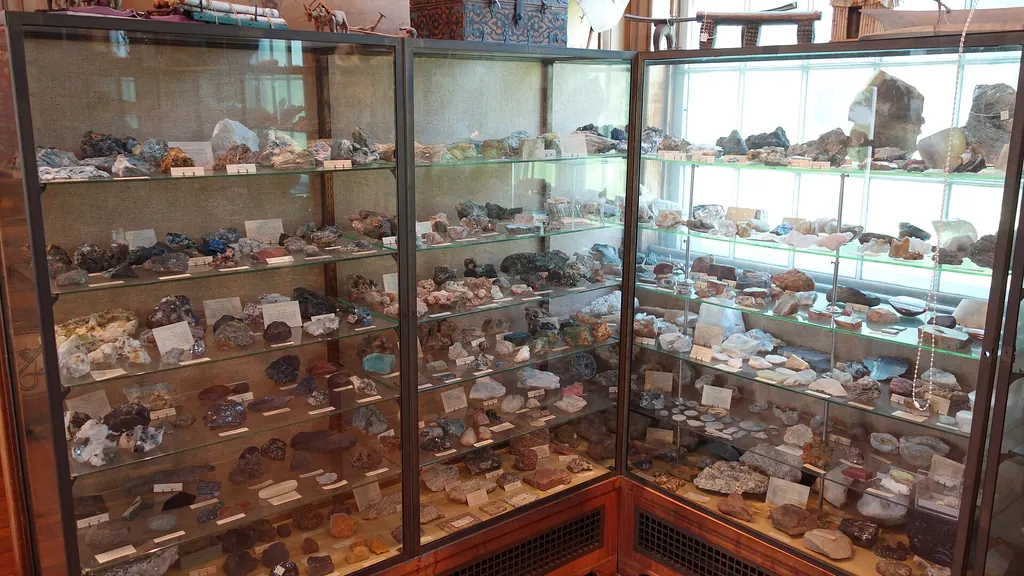
Most rocks are worth very little, but good specimens do sell, sometimes for real money. Where you sell matters as much as what you sell. Here are the main options, from quickest cash to highest price.
Step 1: Know what you have
Buyers pay for certainty. "Pretty purple rock" sells for a few dollars; "amethyst cluster from Uruguay, 2 kg, no damage" sells for more. Identify your find, note where it came from, weigh and measure it, and look for damage. For possible meteorites, gold or gemstones, get an expert opinion first. See Is my rock valuable?
Step 2: Pick where to sell
| Where | Best for | Pros | Cons |
|---|---|---|---|
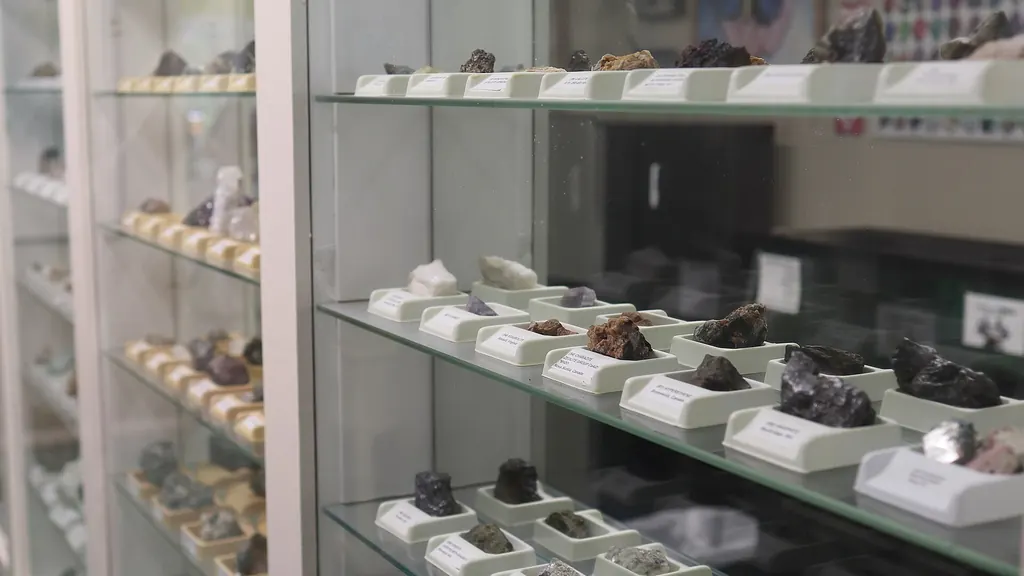
| Local rock or crystal shop | Quick sales, collections | Paid on the spot, no shipping | Often pays a fraction of retail |
| Gem and mineral shows | Good specimens | Many serious buyers and dealers in one place | Only a few times a year; table fees if you sell |
| Online marketplaces | Most finds | Huge audience, you set the price | Photos, shipping, fees and returns |
| Collector groups and clubs | Local specialties | Buyers who know the material | Smaller audience; check group rules |
| Specialist dealers | Meteorites, fine minerals, fossils | Know the true value | Want proof and paperwork |
| Auction houses | Rare, high-value pieces | Top prices for the best items | Commission fees; only accept top pieces |
| Coin dealers and refiners | Gold and silver | Fast, priced on metal weight | Pay melt value, not collector value |
Step 3: Price it right
- Look at sold prices, not asking prices. Many listings sit unsold for years at silly prices.
- Compare like with like: same mineral, size, quality and locality.
- Expect less from shops: a shop that sells at $100 often pays around a third to a half of that.
- Sell good pieces one by one; bundle small, common ones by weight or as a lot.
Step 4: Photos and description
- Use daylight or a bright lamp, a plain background and a scale (a coin or ruler).
- Show every side, plus close-ups of crystals and any damage.
- Write the name, size, weight, locality and any treatment (polished, dyed, repaired).
- Be honest. Buyers forgive flaws they know about; they return items with hidden ones.
Know the rules
Things collected in national parks can't be sold, and many "personal use" collecting rules forbid selling too, for example petrified wood from US public land (see our petrified wood guide). Some countries control the sale or export of fossils, meteorites and certain gems. If you're unsure, ask before you list.
Avoid these scams
- Overpayment: a buyer "accidentally" pays too much and asks you to send back the difference. The first payment later bounces.
- Paid "appraisals" that demand money up front for testing or certificates you don't need.
- Pressure to sell fast at a low price because it's "probably fake". Get a second opinion.
What actually sells
Most rocks people find have little resale value, but some categories do sell well:
| Category | What buyers want |
|---|---|
| Mineral specimens | Sharp, undamaged crystals, good color, known locality |
| Fossils | Complete, well-preserved, legally collected, with location |
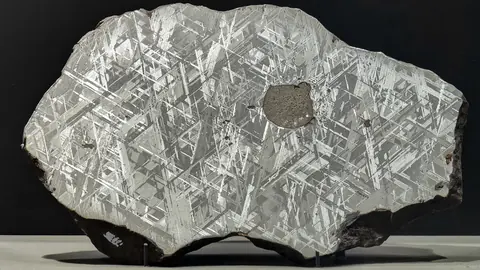
| Meteorites | Classified by a lab, with official name and paperwork |
| Lapidary rough | Agate, jasper, opal and jade with good color and few cracks, sold by the pound |
| Tumbled stones and cabochons | Bright polish, popular stones, sold in quantity |
Ordinary landscape rocks, river pebbles and beach stones rarely sell unless they're polished or part of a craft.
Keep good records
Buyers pay more when they know where a specimen came from. For every find, write down the location (as exact as possible), the date, and whether it was found on public or private land. A neat label with this information can make a big difference in price, especially for fossils and minerals from well-known localities.
Taxes and fees
Online marketplaces take a commission and payment fees, often around 10 to 15 percent combined. Shipping heavy rocks is expensive, so factor it in. If you sell regularly, the income may be taxable where you live. Keep simple records of what you sell and your costs.
Not sure what your rock is yet?
Start with a free scan on RockFinder. It identifies your rock from a photo and gives a rough value range, so you know whether it's worth listing.
Questions people ask
Where can I sell rocks near me?
Start with local rock and crystal shops, gem and mineral clubs, and gem and mineral shows. Shops usually pay less than retail because they need to resell, but you get paid on the spot. Online marketplaces reach more buyers but take more work.
How do I know what my rocks are worth?
First, get them identified. Then search for the same mineral, size and quality on online marketplaces and look at sold listings, not asking prices. Collectors, shop owners and mineral clubs can also give you an idea.
Can I sell rocks I found?
Usually yes, if you collected them legally. But many places don't allow selling, or even collecting: national parks, many public lands, and fossils or meteorites in some countries. Rocks collected under 'personal use' rules often can't be sold.
What rocks sell the best?
Well-formed crystals, colorful polished stones, real meteorites, gold nuggets, fossils with clear detail, and anything with a known famous locality sell best. Ordinary rocks, even pretty ones, rarely sell for much.
Keep reading
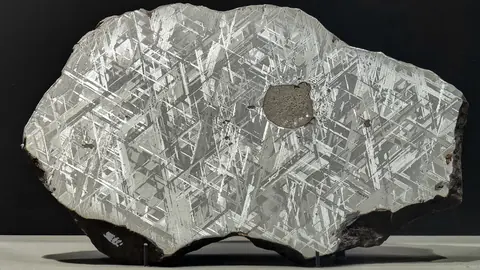
Is my rock valuable? How to tell if a rock is worth money
What makes a rock worth something, and how to check before you sell.
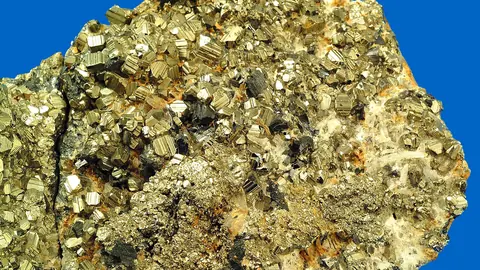
Gold or fool's gold? How to tell real gold from pyrite
Five quick tests to tell real gold from pyrite, and what each is worth.
How to tell if a rock is a meteorite
Six tests to tell a real meteorite from a 'meteor-wrong', and what they're worth.