
Birthstones by month
Every month has at least one birthstone, and some have two or three. Here's the full list with colors, the traditional alternatives, how tough each stone is for everyday jewelry, and what the common fakes are.
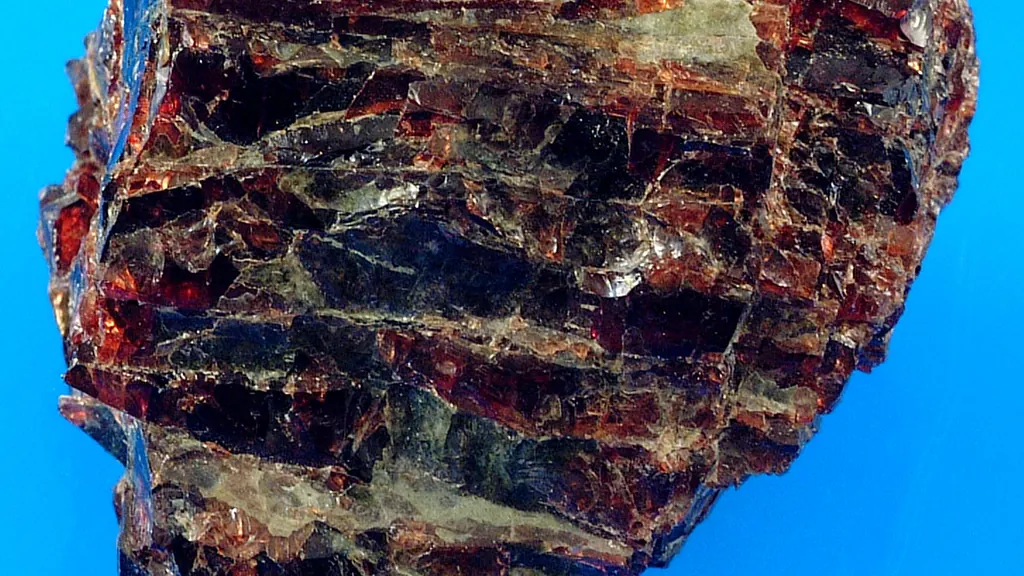
The modern birthstone list started in 1912, when the American National Association of Jewelers agreed on one list. It has been updated a few times since, most recently adding spinel for August in 2016. Older traditions in other countries vary, so you'll see some months with several stones.
Birthstone chart
| Month | Birthstone | Color | Hardness |
|---|---|---|---|
| January | Garnet | Deep red (also green, orange) | 6.5 to 7.5 |
| February | Amethyst | Purple | 7 |
| March | Aquamarine, bloodstone | Sea blue; dark green with red spots | 7.5 to 8; 6.5 to 7 |
| April | Diamond | Colorless | 10 |
| May | Emerald | Green | 7.5 to 8 |
| June | Pearl, alexandrite, moonstone | White; color-change green/red; milky glow | 2.5 to 4.5; 8.5; 6 to 6.5 |
| July | Ruby | Red | 9 |
| August | Peridot, spinel, sardonyx | Olive green; many colors; red and white bands | 6.5 to 7; 8; 6.5 to 7 |
| September | Sapphire | Blue (and most other colors) | 9 |
| October | Opal, tourmaline | Play of color; pink and many colors | 5.5 to 6.5; 7 to 7.5 |
| November | Topaz, citrine | Golden, blue; yellow | 8; 7 |
| December | Turquoise, tanzanite, zircon | Sky blue; violet blue; blue | 5 to 6; 6.5; 6 to 7.5 |
Hardness is on the Mohs scale. Higher means more scratch-resistant for rings.
Month by month
January: garnet
Usually a deep wine red, but garnets come in green (tsavorite, demantoid), orange (spessartine) and more. Small red garnets are common in rocks like schist, so you can even find them yourself. Red glass is the usual fake.
February: amethyst
Purple quartz, often darker at the tips. Tough and affordable. Watch out for purple glass and dyed quartz: see how to tell if amethyst is real.
March: aquamarine and bloodstone
Aquamarine is a pale sea-blue beryl, the same mineral family as emerald. Bloodstone is dark green chalcedony with red iron spots. Blue glass and blue topaz are often passed off as aquamarine.
April: diamond
The hardest natural material. Lab-grown diamonds are real diamonds made in a factory, and cost much less. Cubic zirconia and moissanite are the common look-alikes: see how to tell if a diamond is real.
May: emerald
Green beryl. Almost all emeralds have visible inclusions, called "jardin" (garden), and most are oiled to hide small cracks. Flawless, bright and cheap usually means glass or lab-made.
June: pearl, alexandrite and moonstone
Real pearls feel slightly gritty when rubbed gently against your teeth; plastic and glass ones feel smooth. Alexandrite changes from green in daylight to red under warm light, and is rare, so most cheap "alexandrite" is lab-made. Moonstone has a soft blue-white glow that floats across the surface.
July: ruby
Red corundum, the same mineral as sapphire, and very hard. Many rubies are heat-treated, which is normal. Glass-filled rubies are a cheaper, fragile type and should be sold as such.
August: peridot, spinel and sardonyx
Peridot is the gem form of olivine, a fresh olive green. Spinel comes in red, pink, blue and more, and was often mistaken for ruby in history. Sardonyx is banded red-brown and white chalcedony.
September: sapphire
Corundum in every color except red, best known in blue. Very hard and great for everyday rings. Lab sapphires are common and cheap; a gem lab can tell them apart.
October: opal and tourmaline
Opal flashes with play of color but is soft and sensitive to knocks and heat: see real vs fake opal. Tourmaline comes in more colors than almost any gem, especially pink and green, sometimes both in one crystal.
November: topaz and citrine
Topaz is naturally golden, colorless or pale blue; bright "Swiss" and "London" blue topaz is treated. Citrine is yellow quartz, and most bright orange citrine is heated amethyst.
December: turquoise, tanzanite and zircon
Turquoise is one of the most faked stones in the world: see how to tell if turquoise is real. Tanzanite is violet-blue and only mined near Mount Kilimanjaro. Natural zircon (not cubic zirconia) has strong sparkle and is often blue.
Choosing a birthstone gift
- For rings worn every day, pick harder stones: diamond, ruby, sapphire, spinel, topaz, aquamarine.
- Soft stones (pearl, opal, turquoise) are best in earrings and pendants, where they won't get knocked.
- Lab-grown versions of diamond, ruby, sapphire, emerald and alexandrite are real gems at a lower price. Just make sure they're labeled that way.
- Ask what you're paying for: natural, treated, lab-grown or imitation. Our real or fake guide covers the common fakes.
Found a gem in the wild?
Several birthstones, including garnet, amethyst, peridot and topaz, can be found by rockhounds. Snap a photo with RockFinder to see what yours most likely is.
Questions people ask
What is my birthstone?
January garnet, February amethyst, March aquamarine or bloodstone, April diamond, May emerald, June pearl, alexandrite or moonstone, July ruby, August peridot, spinel or sardonyx, September sapphire, October opal or tourmaline, November topaz or citrine, December turquoise, tanzanite or zircon.
Why do some months have more than one birthstone?
The modern list was set by American jewelers in 1912 and updated several times since, adding cheaper or tougher alternatives. Older traditional lists also differ by country, so several stones are now accepted for some months.
Which birthstones are best for everyday rings?
The hardest are diamond (10), ruby and sapphire (9), and alexandrite and spinel (8 to 8.5). Topaz, aquamarine and emerald are also hard but emerald can chip. Pearl, opal and turquoise are soft and better for earrings and pendants.
Are birthstones lucky?
Birthstones are a tradition, not science. People enjoy them as a personal, meaningful gift. We don't make any claims about luck or healing; choose the one you find beautiful.
Keep reading
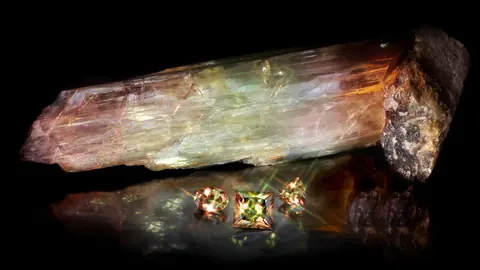
Gemstone identification: 7 tests you can do at home
Sapphire or blue glass? Seven at-home tests that catch most fakes.
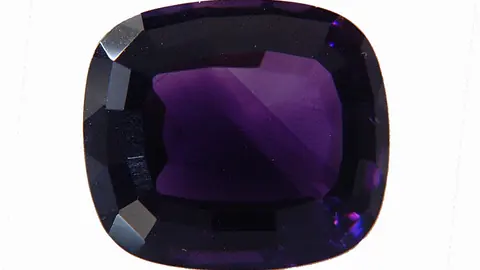
Real or fake? How to tell if your crystals are real
7 safe home tests to spot glass, dyed and plastic fakes, plus a guide for every popular stone.
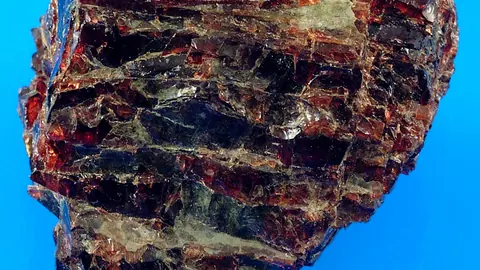
Garnet: a gem you can dig yourself
A real gemstone hiding in ordinary rocks, creek gravel and beach sand.
More guides
- Gneiss: the striped rock that's been to the depths of the Earth
- Schist: the glittery rock that hides garnets
- Gold or fool's gold? How to tell real gold from pyrite
- How to tell if a rock is a meteorite
- Geodes: how to find them, open them and what they're worth
- Agate: how to identify it and what it's worth