
Gemstone identification: 7 tests you can do at home
Is it a sapphire or blue glass? A ruby or a garnet? Professionals use lab tools, but you can rule out a lot with your eyes, a knife and a flashlight.
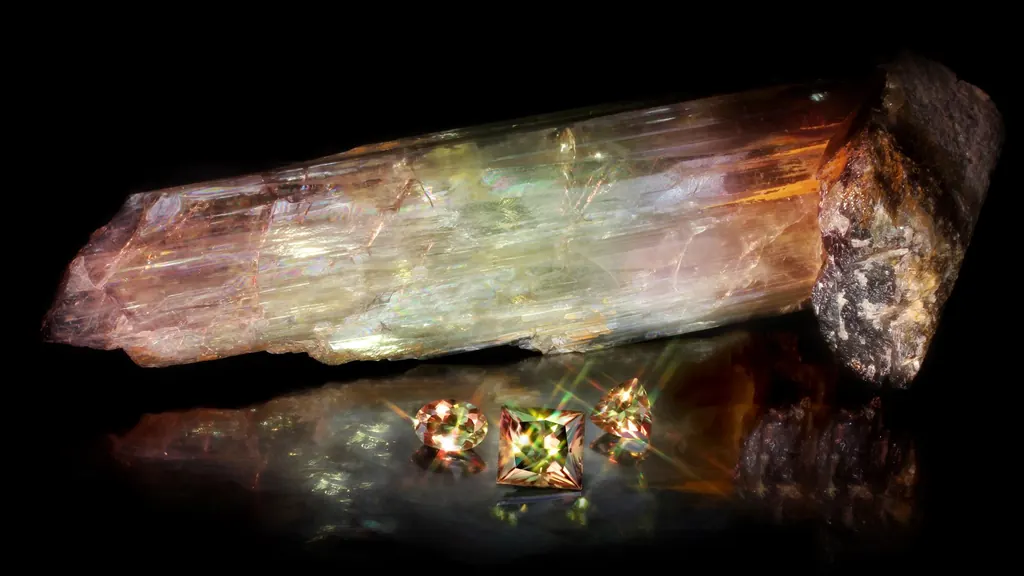
Every year, people find "rubies" that turn out to be red glass, and occasionally someone's "worthless pebble" turns out to be a real sapphire. Gemstone identification is how you tell which is which. Professionals use refractometers and spectroscopes, but you can get surprisingly far with seven simple tests.
1. Color (useful, but a liar)
Color is the first thing you notice and the least reliable clue. Red can be ruby, garnet, spinel, tourmaline or glass. Use color to make a shortlist, then test.
2. Luster: how it shines
Hold the stone under a lamp. Adamantine (brilliant, almost metallic fire) suggests diamond or zircon. Vitreous (glassy) fits most gems: quartz, topaz, garnet. Waxy or greasy points to jade, turquoise or chalcedony.
3. Hardness
The most powerful home test. Most valuable gems are 7 or harder on the Mohs scale, so they scratch glass easily. If a steel knife scratches your "sapphire", it isn't one. Test on a hidden spot.
4. Weight in the hand
Gems differ in density. Corundum (ruby, sapphire), garnet and zircon feel noticeably heavy for their size. Quartz and glass feel ordinary. Plastic feels suspiciously light.
5. Inclusions: nature's fingerprints
Look inside with a 10x magnifier. Natural stones have tiny crystals, needles, feathery cracks and uneven color zones. Round gas bubbles and swirl lines almost always mean glass. Perfectly flawless and cheap? Be suspicious.
6. Crystal shape (for rough stones)
| Shape | Likely gem |
|---|---|
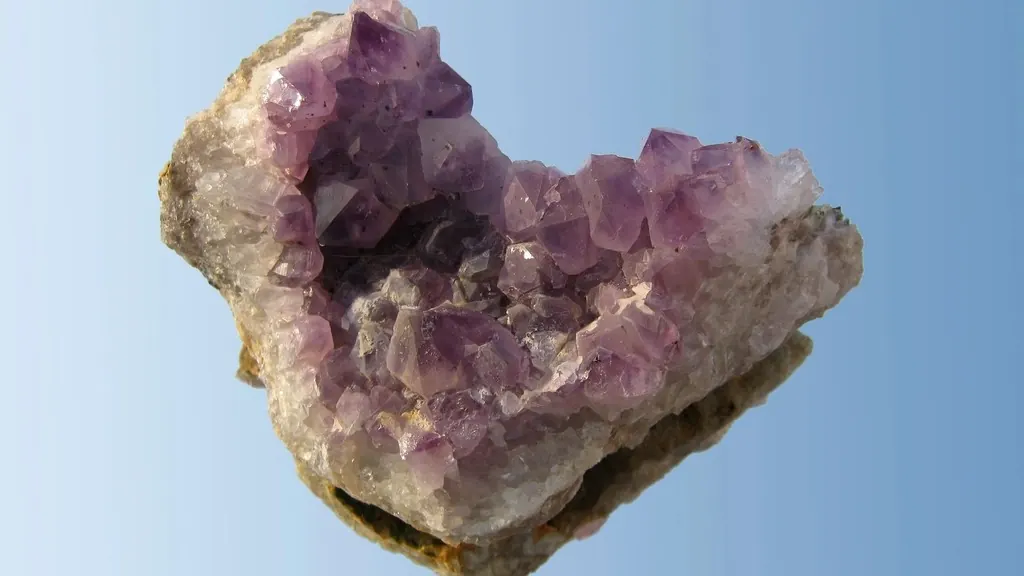
| Six-sided column with a pointed tip | Quartz (amethyst, citrine) |
| Six-sided column with a flat top | Beryl (emerald, aquamarine) |
| Ball-like, 12 or 24 faces | Garnet |
| Barrel or hexagonal plate | Corundum (ruby, sapphire) |
| Rounded octahedron, greasy look | Diamond |
| Long, striped, triangular cross-section | Tourmaline |
7. Light tricks
- Doubling: look through a clear stone at a line. Some gems (zircon, peridot) show the back edges doubled.
- Flash: sunstone glitters with copper flakes; labradorite and moonstone glow with floating color.
- UV glow: some rubies glow red under a UV flashlight; many diamonds glow blue.
What gemstones are worth
| Stone | Rough value |
|---|---|
| Rough quartz, garnet, olivine from fee digs | About $1 to $20 per piece |
| Cut amethyst, citrine, garnet | About $5 to $50 per carat |
| Good sapphire, tourmaline, aquamarine | About $50 to $1,000+ per carat |
| Fine ruby, emerald, diamond | Hundreds to many thousands per carat |
| Glass, plastic, "gem" souvenirs | Worth what you paid for the fun |
Rough stones sell for a small fraction of cut ones. Cutting loses most of the weight, and only clean, well-colored rough is worth cutting.
Prices are rough guides. For anything that might be valuable, get a certified gemologist's opinion before buying or selling.
Start with a photo
Snap a picture with RockFinder to get a likely identification, then use these tests to confirm it.
Questions people ask
How can I identify a gemstone at home?
Look at the color and luster, test hardness against glass, feel the weight in your hand, look for natural inclusions with a magnifier, check how the stone handles light, and note the crystal shape if it's rough. Together these narrow it down a lot.
How do you tell if a gemstone is real or glass?
Glass often has round bubbles, swirl marks, molded edges and feels warm quickly. It's about 5.5 on the Mohs scale, so a steel file scratches it. Most valuable gems are 7 or harder and have natural, irregular inclusions.
What is the most common gemstone found by beginners?
Quartz in all its forms (clear quartz, amethyst, agate, jasper) is by far the most common. Garnet, olivine (peridot) and feldspar gems like sunstone are also often found.
Should I get a gemstone appraised?
If a stone looks like a valuable gem (ruby, sapphire, emerald, diamond) or is large and clear, yes. Go to a certified gemologist, ideally one who doesn't buy stones, so the appraisal is neutral.
Keep reading
The Mohs hardness scale: test any rock with a fingernail, a coin and a knife
Fingernail, coin, knife, glass. The 200-year-old scratch test that still works.
Types of rocks: the 3 kinds, and how to tell which one you're holding
Fire, layers or pressure? Every rock you find is one of three types.
Rockhounding: how to start hunting for rocks, gems and fossils
Treasure hunting for real. Where to go, what to bring, and what you might find.