
Gold or fool's gold? How to tell real gold from pyrite
Shiny, yellow and sparkling in the creek: it's the moment every rockhound dreams of. Five quick tests tell you in a minute whether you've found gold or fool's gold.
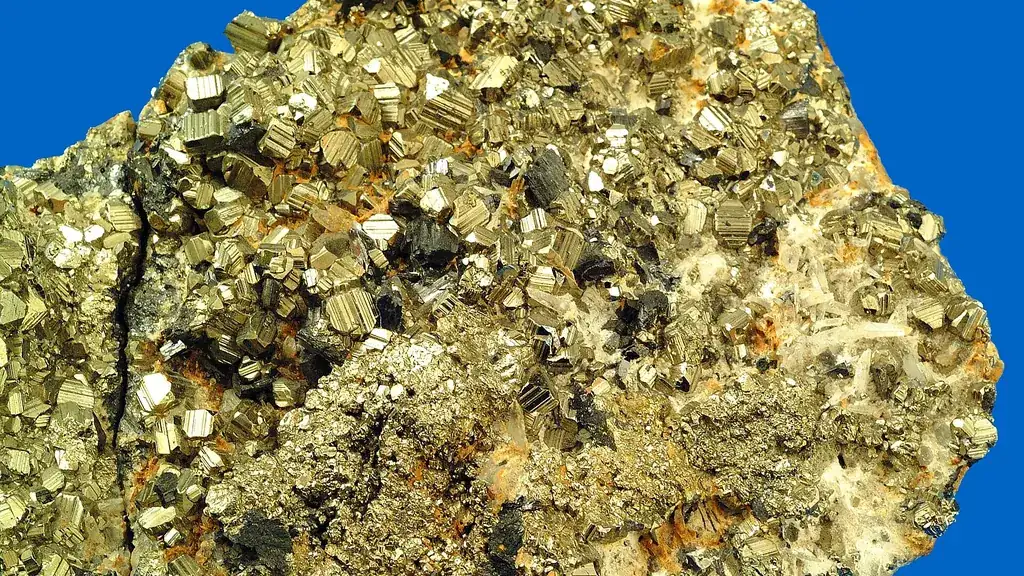
Pyrite earned the nickname fool's gold during the gold rushes, when hopeful miners filled their bags with it and learned the truth at the assay office. It's an easy mistake: pyrite is bright, brassy and metallic. But real gold behaves very differently, and you can tell them apart in a minute with things you already own.
The 5 quick tests
1. The streak test (the best one)
Rub your find hard across the unglazed back of a white bathroom tile or a broken plate. Gold leaves a golden-yellow streak. Pyrite and chalcopyrite leave a greenish-black or black streak. This single test settles most cases.
2. The pin test
Gold is very soft, only about 2.5 to 3 on the Mohs scale. A steel pin will dent or gouge it, like soft lead. Pyrite is much harder (6 to 6.5): the pin just skids off, and pyrite can even scratch glass.
3. The hammer test
Gold is malleable: tap a small grain with a hammer and it flattens like a tiny pancake. Pyrite is brittle and shatters into dark powder. Only do this on a small piece you don't mind losing.
4. The shade test
Shade the piece with your hand. Gold stays the same warm, buttery yellow from every angle. Pyrite, and especially mica flakes, flash brightly in the sun but look dull, brassy or silvery in shadow.
5. The shape and weight test
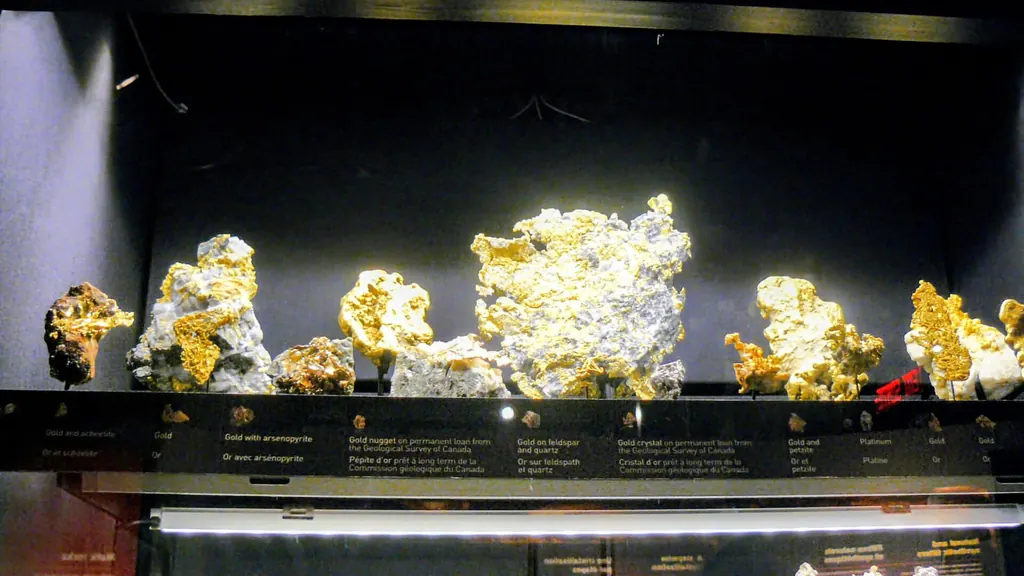
Pyrite often grows in sharp cubes with fine stripes on the faces, or in clusters of crystals. Natural gold almost never looks like that; it forms rounded nuggets, flakes, grains and wires. Gold is also extremely heavy, about four times heavier than pyrite for the same size. In a gold pan, real gold sinks straight to the bottom and stays there.
Gold vs pyrite vs chalcopyrite vs mica
| Gold | Pyrite | Chalcopyrite | Mica (weathered) | |
|---|---|---|---|---|
| Color | Rich buttery yellow | Pale brass yellow | Brassy, often with blue-purple tarnish | Gold to bronze flakes |
| Streak | Golden yellow | Greenish black | Greenish black | White or none |
| Hardness | 2.5 to 3 (dents) | 6 to 6.5 (scratches glass) | 3.5 to 4 | 2 to 3, flakes apart |
| Hit with a hammer | Flattens | Shatters | Crumbles | Splits into sheets |
| Shape | Nuggets, flakes, wires | Cubes, striated crystals | Grainy masses | Thin flat flakes |
| Weight | Very heavy | Heavy-ish | Medium | Very light, floats in a pan |
Read more about the copper ore in our chalcopyrite guide.
Where real gold is found
Gold turns up in two main ways. Placer gold is loose flakes and nuggets washed into creeks and rivers; it collects behind boulders, in cracks in the bedrock and on the inside of bends. Lode gold is still locked in rock, usually white quartz veins, sometimes alongside pyrite. Panning a known gold-bearing creek is still the best chance most people have of finding real gold.
What each one is worth
| Find | Rough value |
|---|---|
| Pyrite chunk or small cluster | About $1 to $10 |
| Sharp pyrite cube or nice crystal group | About $20 to a few hundred dollars |
| Chalcopyrite or mica flakes | Usually a few dollars or less |
| Gold flakes from panning | Priced by weight at the day's gold price, minus refining costs |
| Natural gold nugget | Usually above its melt value; collectors pay a premium for nice shapes |
| Gold in quartz specimen | Depends on how much gold shows; visible-gold pieces can sell for hundreds to thousands of dollars |
If you think you have real gold, don't melt it or clean it with acid. Nuggets and specimens are often worth more as they are. Get it weighed and checked by a reputable assayer, coin dealer or gold club before you sell.
Prices are rough guides and change with the market.
Still not sure?
Snap a photo with RockFinder and it will tell you whether your shiny find looks like gold, pyrite, chalcopyrite or mica, and how to confirm it at home.
Questions people ask
How can you tell if it's real gold or fool's gold?
Do a streak test: rub it on the back of a white tile. Real gold leaves a golden-yellow streak; pyrite leaves a greenish-black one. Gold is also soft enough to dent with a pin and stays golden in the shade, while pyrite is hard, brittle and forms sharp cubes.
Is fool's gold worth anything?
Most pyrite is worth a few dollars. Well-formed crystal cubes, like the famous ones from Navajún in Spain, sell to collectors for $20 to a few hundred dollars, and museum-quality pieces for more.
Does pyrite mean there is gold nearby?
Sometimes. Pyrite and gold can form in the same quartz veins, and some pyrite contains tiny 'invisible' gold that mines extract. But most pyrite has no useful gold, so treat it as a hint, not a promise.
What does real gold look like in a rock?
Real gold usually shows as soft, rounded flakes, grains or wires in quartz, not sharp crystals. It looks the same buttery yellow from every angle and in the shade, and it never rusts or tarnishes.
Keep reading
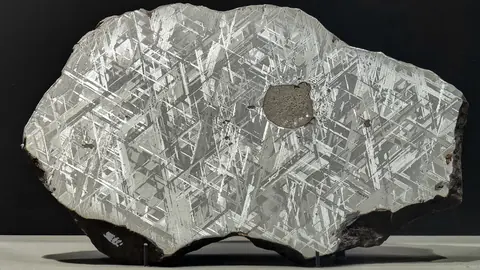
Is my rock valuable? How to tell if a rock is worth money
What makes a rock worth something, and how to check before you sell.
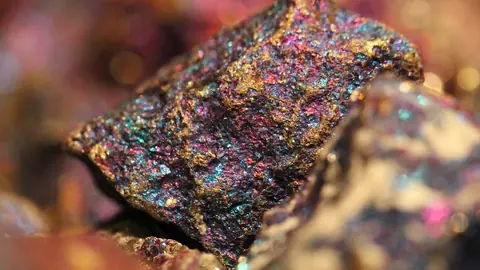
Chalcopyrite: the other fool's gold (and the world's copper)
Brassy, rainbow-tarnished and mistaken for gold. Meet the world's copper ore.

The Mohs hardness scale: test any rock with a fingernail, a coin and a knife
Fingernail, coin, knife, glass. The 200-year-old scratch test that still works.
More guides
- How to identify rocks: a simple step-by-step guide
- Common rocks and minerals you're likely to find
- Limestone vs marble: how to tell them apart
- Types of rocks: the 3 kinds, and how to tell which one you're holding
- Rockhounding: how to start hunting for rocks, gems and fossils
- Gemstone identification: 7 tests you can do at home