
Olivine: the green gem that comes up from Earth's mantle
Olivine is the most common mineral in Earth's upper mantle. Volcanoes bring it to the surface as green crystals, and the gem-quality ones are called peridot.
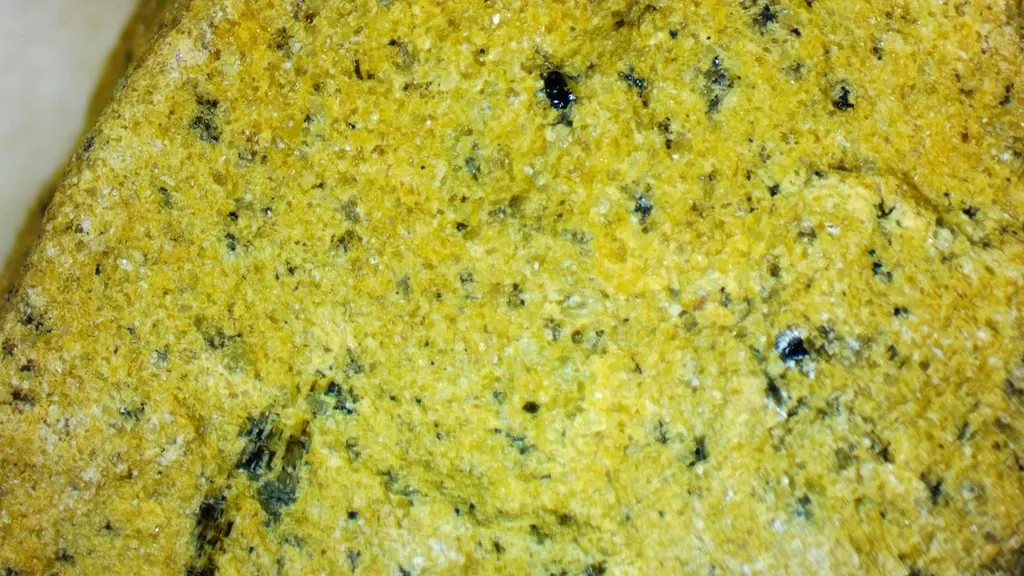
On the southern tip of Hawaii's Big Island, there's a beach where the sand is green. It's not algae or paint. It's olivine, crystals that erupted from deep inside the Earth, eroded out of an old volcanic cone and collected on the shore.
A messenger from the mantle
Olivine is the main mineral in Earth's upper mantle, the hot layer below the crust. When magma rises from those depths, it sometimes carries chunks of mantle rock with it. These lumps, full of green olivine, are called mantle xenoliths or "olivine bombs," and they're among the deepest pieces of the Earth you can hold.
How to identify olivine
- Olive green (hence the name), from yellow-green to bottle green; brown when weathered
- Glassy shine on fresh grains
- Hard: about 6.5 to 7, scratches glass
- Grains or sugary clusters, often inside black basalt
- No flat cleavage; breaks with curved surfaces
- In clear crystals, doubling: back facets look doubled through the stone
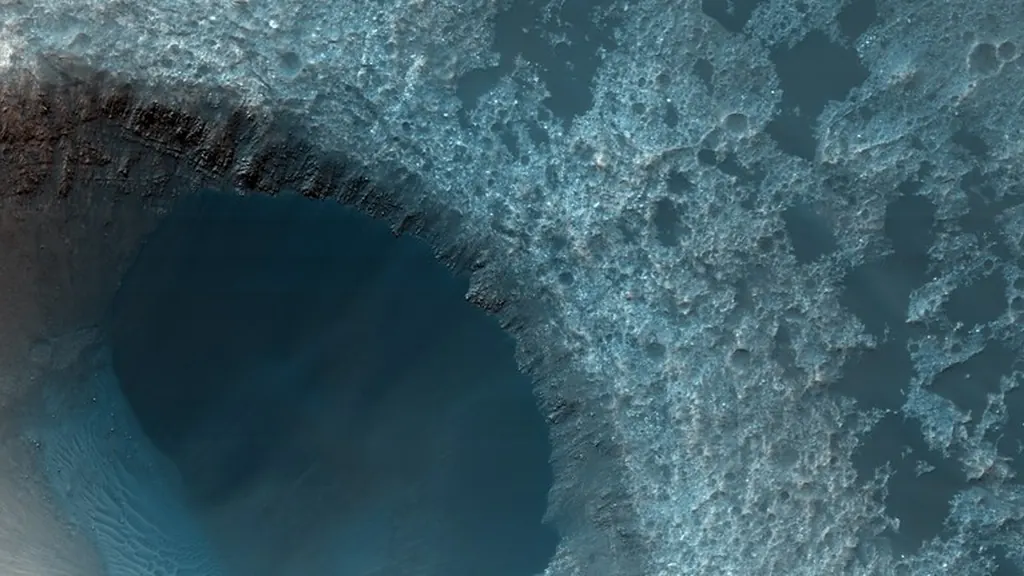
Olivine vs look-alikes
| Mineral | How it differs |
|---|---|
| Green glass | Bubbles, swirls, no doubling, softer |
| Epidote | Darker pistachio-yellow green, long striated crystals |
| Green tourmaline | Long, striped crystals with a triangular cross-section |
| Serpentine | Soft, waxy, often olivine's weathered product |
Olivine in space
Olivine isn't just an Earth thing. It's been found on Mars, on the Moon, in comets and in many meteorites. Pallasites, a rare type of meteorite, are made of glowing yellow-green olivine crystals set in shiny iron-nickel metal, and slices of them are some of the most beautiful objects in any collection.
Scientists are even testing whether spreading crushed olivine on beaches and fields could help pull carbon dioxide out of the air, because olivine reacts with CO2 as it weathers.
Peridot: olivine as a gem
Gem olivine is called peridot and is the birthstone for August. Ancient Egyptians mined it on Zabargad (St. John's Island) in the Red Sea over 3,000 years ago. Some "emeralds" in medieval European treasures, like those once believed to adorn the Shrine of the Three Kings in Cologne Cathedral, are actually peridot.
What's olivine worth?
| Item | Rough value |
|---|---|
| Olivine sand and small grains | Essentially nothing |
| Olivine bombs (xenoliths) | About $5 to $50 |
| Rough peridot | About $1 to $10 per gram for clean pieces |
| Cut peridot | About $20 to $100+ per carat, more for big clean stones |
| Pallasite meteorite slices | About $10 to $50+ per gram |
Prices are rough guides. Taking sand from Hawaii's beaches, including the green sand at Papakolea, is illegal.
Where to find olivine
- Papakolea Green Sand Beach, Hawaii: sand made of olivine crystals weathered from a volcanic cone. Taking sand is illegal there.
- Peridot Mesa on the San Carlos Apache Reservation, Arizona: the source of most of the world's gem peridot, mined by tribal members.
- Lava flows and cinder cones in Arizona, New Mexico, Oregon, the Canary Islands and the Eifel region of Germany, where green olivine "bombs" (mantle xenoliths) sit in black basalt.
- Zabargad Island in the Red Sea, the ancient source of the finest peridot, and Myanmar and Pakistan for large gem crystals.
Why olivine weathers so fast
Olivine forms at very high temperatures, so at Earth's surface it's out of its comfort zone. Rain and air attack it quickly, turning it brown and then into clay and serpentine. That's why olivine sand beaches are rare and short-lived, and why olivine in old rocks often looks rusty or crumbly. Scientists are even studying spreading crushed olivine on beaches and fields to absorb carbon dioxide from the air as it weathers.
Step-by-step: is it olivine?
- Color: bottle green to yellow-green, olive or brown if weathered.
- Setting: small glassy grains in dark basalt or gabbro are a strong clue.
- Luster: glassy, with no flat cleavage faces; it breaks with curved, shell-like fractures.
- Hardness: 6.5 to 7, so it scratches glass.
- Streak: white, even though the mineral is green.
Green crystals in black rock?
Snap a photo with RockFinder to see if it's olivine, epidote or something else.
Questions people ask
How do you identify olivine?
Olivine is olive to bottle green (sometimes yellow-green or brown), glassy, hard (about 6.5 to 7, it scratches glass) and usually forms grains or clusters in dark volcanic rocks like basalt. It has no cleavage and breaks with curved fractures.
Is olivine the same as peridot?
Yes. Peridot is the gem name for transparent, gem-quality olivine. All peridot is olivine, but most olivine is too small, cloudy or fractured to be a gem.
Where can I find olivine?
Look in basalt lava flows and volcanic bombs, especially in Hawaii, Arizona (Peridot Mesa on the San Carlos Apache Reservation), New Mexico and the Canary Islands. Hawaii's Papakolea beach is green because of olivine sand.
Is olivine valuable?
Small olivine grains and 'olivine bombs' are inexpensive, a few dollars. Cut peridot sells from about $20 to $100+ per carat for larger, clean stones, and very large fine peridots are worth much more.
Keep reading
Scoria: the bubbly lava rock in every garden center
The lava rock in your garden, born in fountains of glowing froth.
Gemstone identification: 7 tests you can do at home
Sapphire or blue glass? Seven at-home tests that catch most fakes.
Rhyolite: the rock of supervolcanoes
Yellowstone's rock. Granite's volcanic twin, and home of the thunderegg.