
Why is my rock so heavy?
Pick up two stones the same size and one feels like lead: that moment makes everyone wonder if they've found treasure. Here's what makes a rock heavy, and how to find out which heavy rock you have.
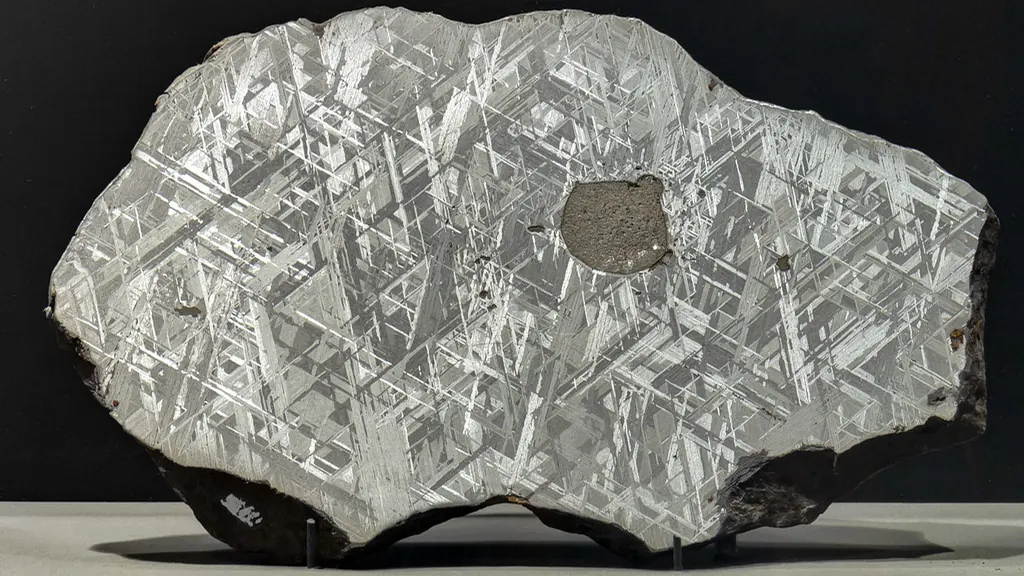
"Heavy" really means dense: lots of weight packed into a small space. Most rocks are made of light elements like silicon, oxygen, aluminum and calcium, so they all weigh about the same for their size, around 2.6 to 3 times the weight of water. A rock that feels much heavier has something heavier inside, usually iron, lead, barium or, if you're very lucky, gold.
Measure it first
"Feels heavy" is easy to get wrong, especially with small rocks. Measure the specific gravity (SG) with a kitchen scale and a cup of water using our specific gravity calculator. It takes two minutes and gives you a number to compare:
- 2.5 to 3: normal rock (granite, quartz, limestone, basalt)
- 3 to 4: a bit heavy (some gems, stony meteorites)
- 4 to 5.5: heavy (barite, pyrite, hematite, magnetite)
- 7 to 8: very heavy (galena, iron meteorites, iron and steel)
- Over 10: precious metals (silver, gold)
9 heavy rocks and how to spot them
| Rock or mineral | SG | Quick clues |
|---|---|---|
| Hematite | 5.0 to 5.3 | Silver-black or red, red-brown streak, not or barely magnetic |
| Magnetite | 5.2 | Black, strongly magnetic, black streak |
| Barite | 4.5 | White, grey or pale, looks ordinary but feels heavy, soft (3) |
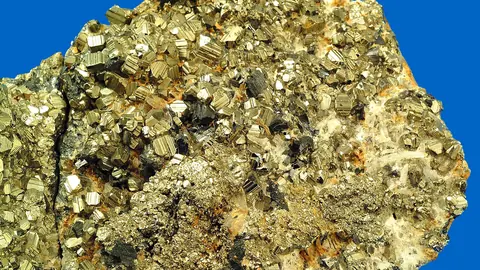
| Pyrite | 5.0 | Brassy gold, cubes, greenish-black streak (vs gold) |
| Galena | 7.5 | Silver-grey, shiny, breaks into cubes, grey streak |
| Ironstone / iron concretion | 3.5 to 4.5 | Rusty brown, often round, may have a hollow center |
| Iron meteorite | 7.5 to 8 | Strongly magnetic, rusty or dark, smooth dents, no bubbles |
| Slag or man-made iron | Varies | Bubbles, rust, glassy bits, found near tracks or roads |
| Native gold | 15 to 19.3 | Bright yellow, soft, doesn't tarnish, golden streak |
Narrow it down in three tests
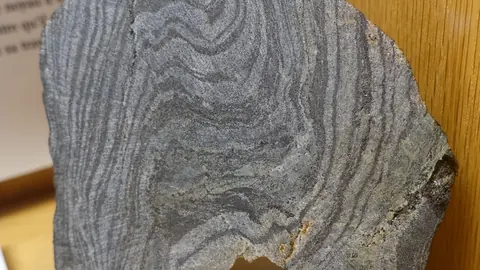
- Magnet: strong pull means magnetite, iron, slag or an iron meteorite. See why is my rock magnetic?
- Streak: red-brown is hematite; black is magnetite; greenish-black is pyrite; grey is galena; golden is gold. Use the streak test identifier.
- Look at a broken face: cubes and shiny flat faces point to galena or pyrite; bubbles point to slag; shiny metal flecks in grey stone could be a stony meteorite.
The heavy white rock surprise
If your heavy rock is white, cream or pale grey, the most likely answer is barite. It's common in veins and as "desert roses" in sandy areas, and it's almost twice as heavy as quartz. Barite is soft enough to scratch with a coin and doesn't fizz in vinegar. It's worth a few dollars as a specimen, more for nice crystals.
Could it be a meteorite or gold?
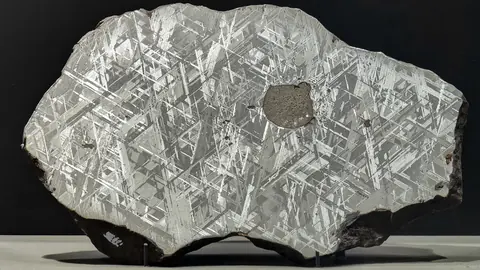
Both are heavy, but both are rare. Iron meteorites are strongly magnetic, have no bubbles, and often have smooth, thumbprint-like dents. Gold is soft (a pin dents it), bright yellow, and never rusts or tarnishes. Use our meteorite checker, and see gold vs pyrite before you get excited about a shiny yellow find.
Heavy rocks are worth checking, but weight alone doesn't make a rock valuable. Identify it first.
How to measure density at home
"Heavy" is easier to judge with a number. Specific gravity (SG) tells you how many times heavier a rock is than the same volume of water:
- Weigh the rock dry on a kitchen scale (grams).
- Put a container of water on the scale and press tare (zero).
- Hang the rock on a thread so it's fully underwater without touching the bottom or sides. The new reading is the weight of water pushed aside.
- Divide the dry weight by that number.
Most ordinary rocks come out around 2.5 to 3. Over 4 is heavy, and over 7 points to metal. Our specific gravity calculator does the math and lists matching minerals.
Quick density chart
| Material | Specific gravity |
|---|---|
| Pumice | Under 1 (floats) |
| Quartz, granite, limestone | 2.6 to 2.7 |
| Basalt | About 3 |
| Barite | 4.5 |
| Magnetite, hematite | 5 to 5.3 |
| Pyrite | 5 |
| Galena | 7.5 |
| Iron meteorite | About 7.5 to 8 |
| Gold | 19.3 |
Safety with heavy minerals
Some heavy minerals contain lead (galena, cerussite), arsenic or uranium. Wash your hands after handling unknown heavy minerals, don't sand or grind them indoors, and keep them away from children who might put them in their mouth.
Questions people ask
What is the heaviest rock?
By density, the heaviest natural materials you might find are native metals: gold (about 19.3), silver (10.5) and copper (8.9), then iron meteorites (about 7.8) and galena (7.5). Among ordinary rocks, iron-rich ones like hematite and magnetite ore (about 5) are heaviest.
Why does a white rock feel so heavy?
A heavy white or pale rock is often barite, nicknamed 'heavy spar'. It looks like ordinary quartz or calcite but has a specific gravity of about 4.5, almost twice as heavy. Celestine and cerussite are other heavy pale minerals.
Does a heavy rock mean it's valuable?
Not on its own. Most heavy rocks are common iron minerals worth little. But a heavy rock is worth checking, because gold, silver, meteorites and some ores are heavy too.
How can I measure how heavy my rock is?
Measure its specific gravity: weigh it in air, then weigh it hanging in water, and divide. Our free specific gravity calculator does the math and lists the matches. Ordinary rocks are about 2.6 to 3.
Keep reading
Why is my rock magnetic?
Magnetite, slag or a meteorite? What makes a rock stick to a magnet.
Gold or fool's gold? How to tell real gold from pyrite
Five quick tests to tell real gold from pyrite, and what each is worth.
How to tell if a rock is a meteorite
Six tests to tell a real meteorite from a 'meteor-wrong', and what they're worth.