
Hematite: the black stone that bleeds red
Hematite can be shiny black, steel grey or rusty red, but rub it on a white tile and it always leaves a red-brown streak. That one trick identifies the mineral that colored Mars and the world's oldest paintings.
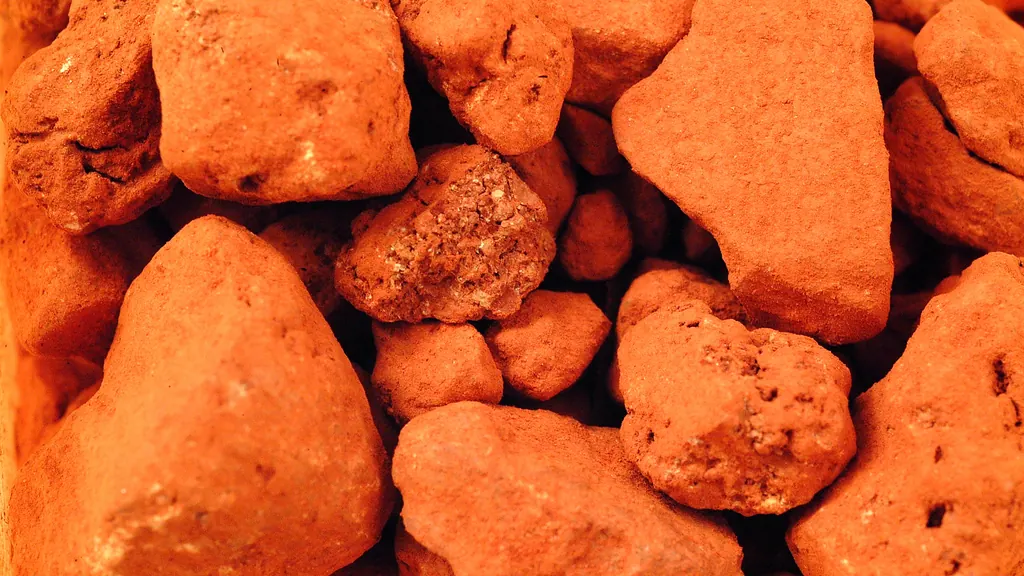
Hematite is iron oxide, essentially natural rust in solid form. It's the most important iron ore on Earth: much of the steel around you started as hematite. It's also the reason Mars is red and the red in the world's oldest cave paintings.
The confusing part is that hematite often looks nothing like red. It can be shiny black, silvery and sparkly, or dull grey. One quick test solves it.
The streak test: hematite's giveaway
Rub the stone firmly across the back of an unglazed white tile (or the rough ring under a coffee mug). Hematite leaves a red to reddish-brown streak, no matter what color the rock is. Try our streak test tool to compare colors.
How to identify hematite
- Red-brown streak: the single best test
- Heavy: about 5 times as heavy as the same volume of water, so it feels surprisingly dense (see why is my rock so heavy?)
- Metallic to dull: shiny steel-grey crystals, or earthy red masses
- Hardness 5 to 6.5: hard crystals resist a knife, earthy red kinds are softer and stain your fingers
- Not usually magnetic: a fridge magnet won't stick (if it does, think magnetite)
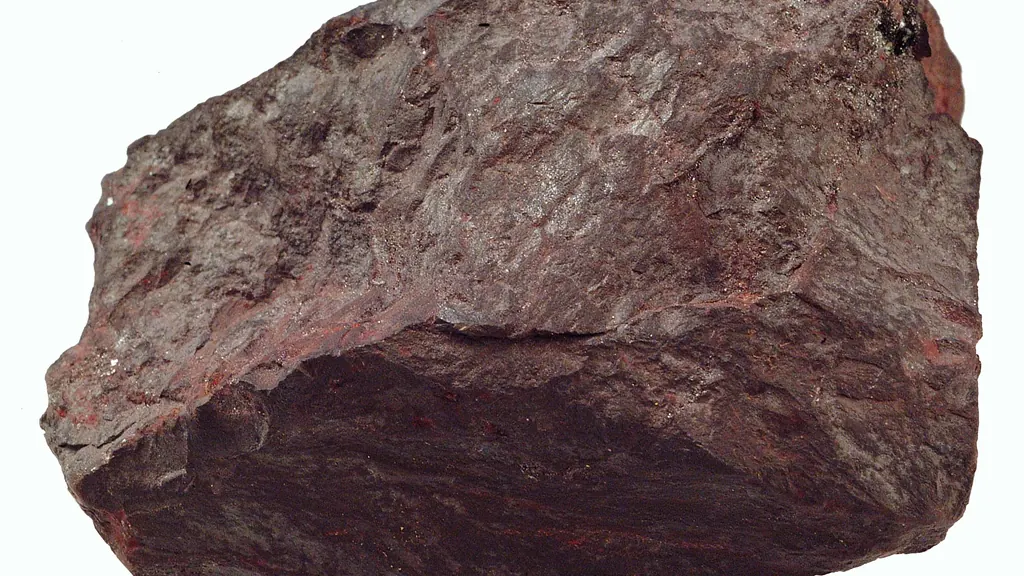
Forms of hematite
- Kidney ore: rounded, bubbly, metallic lumps that look like kidneys
- Specular hematite (specularite): glittery flakes that sparkle like tiny mirrors
- Iron rose: thin plates arranged like the petals of a rose
- Red ochre: soft, earthy red hematite used as pigment for tens of thousands of years
- Oolitic hematite: made of small round grains, common in old iron mines
Hematite vs magnetite vs "magnetic hematite"
| Stone | Magnet | Streak |
|---|---|---|
| Hematite | Not noticeably magnetic | Red-brown |
| Magnetite | Strongly magnetic | Black |
| "Magnetic hematite" beads | Very strongly magnetic, stick to each other | Grey to black |
Those super-shiny magnetic bracelets are made from a man-made ceramic magnet, sometimes called "hematine". They look like polished hematite but aren't the natural mineral.
Fun facts
- NASA's Opportunity rover found small round hematite "blueberries" on Mars, a clue that water once flowed there.
- The name comes from the Greek word for blood, because of its red powder.
- Red ochre pigment, mostly hematite, colors some of the oldest known cave art.
Where to find hematite
- Old iron-mining areas: Minnesota's Iron Range, Michigan's Upper Peninsula, Alabama, and England's Cumbria
- Red rock country: hematite is what turns sandstone and soil red
- Creek gravels: look for heavy, dark pebbles and test the streak
- Inside quartz: red or black flecks in quartz crystals are often hematite
What's hematite worth?
| Item | Rough value |
|---|---|
| Rough hematite | About $2 to $10 per pound |
| Tumbled stones | About $1 each |
| Specularite or kidney ore specimens | About $10 to $100 |
| Fine iron roses and crystal clusters | About $50 to several hundred dollars |
Prices are rough guides. Crystal shape, shine and locality drive value.
Heavy dark rock?
Snap a photo with RockFinder to check whether it's hematite, magnetite, a meteorite or something else.
Questions people ask
How do you identify hematite?
Rub it on the back of a white tile: hematite always leaves a red to reddish-brown streak, even when the stone itself is black or silver. It's also heavy for its size, hard (about 5 to 6.5), and usually not magnetic.
Is hematite magnetic?
Natural hematite is not noticeably magnetic, though a strong magnet may tug weakly on some pieces with magnetite in them. Shiny "magnetic hematite" beads and bracelets are man-made ceramic magnets, not real hematite.
What is the difference between hematite and magnetite?
Both are heavy iron oxides. Magnetite is strongly magnetic and leaves a black streak. Hematite is usually not magnetic and leaves a red-brown streak.
How much is hematite worth?
Ordinary hematite costs a few dollars per pound and tumbled stones about $1 each. Nice kidney ore, specular hematite or "iron rose" specimens can sell for $10 to several hundred dollars.
Keep reading
Magnetite: the rock that grabs your magnet
The mineral that made the first compass, and fools meteorite hunters daily.
Jasper: the stone with pictures inside
Colorful, tough and everywhere, and some pieces hide landscapes inside.
Why is my rock so heavy?
Unusually heavy for its size? Here's what it could be and how to check.