
Magnetite: the rock that grabs your magnet
Magnetite is the most magnetic mineral on Earth. It guided the first compasses, fills the black sand on beaches, and fools thousands of people into thinking they've found a meteorite.
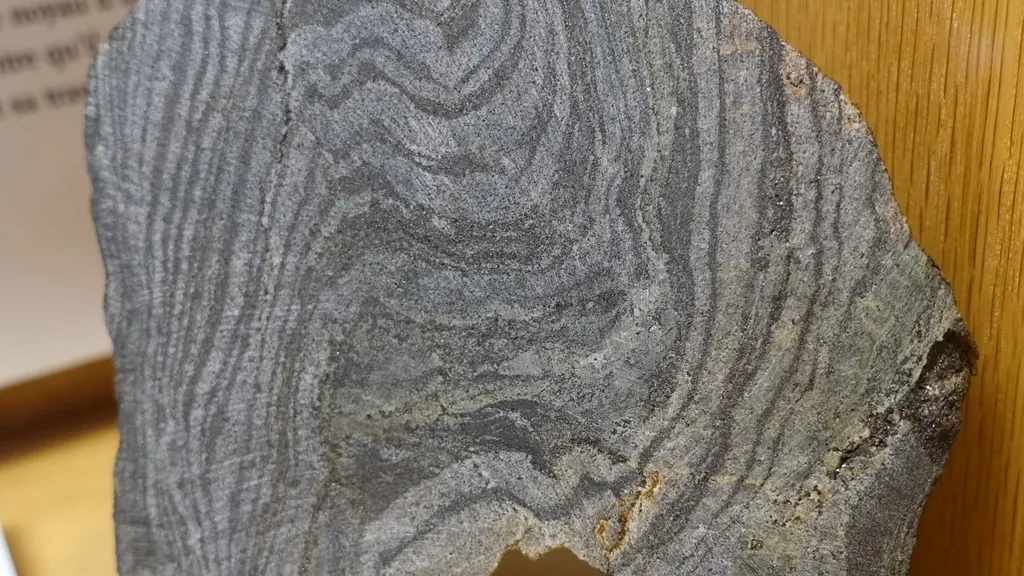
Here's a fun experiment: take a strong magnet to a beach with dark sand. Drag it through the sand, and it'll come back bearded with black grains. Those grains are magnetite, the most magnetic natural mineral on Earth.
The original compass
Some magnetite is naturally magnetized. These pieces, called lodestones, attract iron and, if hung from a string, turn to point north-south. Chinese writers described lodestone "south-pointers" over 2,000 years ago, and by around 1,000 years ago magnetized needles were guiding ships. Every compass since then traces back to this black rock.
How to identify magnetite
- Strongly magnetic: a fridge magnet snaps onto it
- Black to steel grey, with a metallic or dull shine
- Heavy for its size
- Black streak on the back of a ceramic tile
- Hard: about 6, scratches glass with effort
- Octahedral crystals (two pyramids base to base) in good specimens
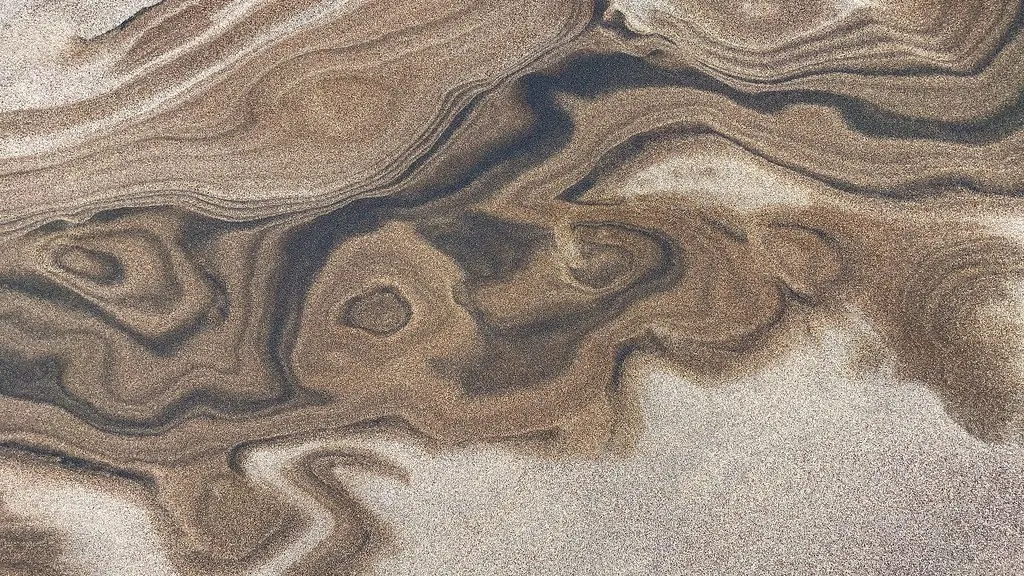
"I found a meteorite!" (probably magnetite)
Meteorite labs get flooded with magnetic rocks every year, and most of them are magnetite, hematite or industrial slag. Here's how to tell:
| Clue | Magnetite | Meteorite |
|---|---|---|
| Streak on tile | Black | Usually none or faint grey |
| Surface | Crystals or grainy | Thin black fusion crust, thumbprint-like dents |
| Inside (ground corner) | Black throughout | Often shiny metal flecks |
| Bubbles | No | No (bubbly rocks are usually slag) |
Glassy space rocks like tektites are a different story: they aren't magnetic at all.
Magnetite vs hematite
Both can be black and shiny. The difference: magnetite sticks hard to a magnet and streaks black; hematite barely reacts and streaks red-brown. Fun twist: magnetite that weathers can turn into hematite while keeping its crystal shape, called martite.
Where to find it
- Black sand on beaches and in gold pans (prospectors call it "black sand" and it's a good sign for gold)
- In igneous rocks like basalt and gabbro, as tiny grains
- In metamorphic rocks and iron ore deposits
Animals use it too: some birds, bees and bacteria carry tiny magnetite crystals that may help them sense Earth's magnetic field.
What's magnetite worth?
| Item | Rough value |
|---|---|
| Magnetite rocks and black sand | Essentially nothing (iron ore sells by the ton) |
| Small octahedral crystals | About $3 to $20 |
| Sharp crystal groups | About $20 to $100+ |
| Natural lodestone | About $10 to $100, more for strong historic pieces |
Prices are rough guides. Keep magnetite and magnets away from phones, cards and watches.
Magnetic mystery rock?
Snap a photo with RockFinder to see if it's magnetite, hematite, slag or something more exciting.
Questions people ask
How do you identify magnetite?
Magnetite is black to dark grey, heavy, has a metallic to dull shine, sticks strongly to a magnet, and leaves a black streak on unglazed porcelain. It's hard (about 6) and often forms small eight-sided crystals.
Is my magnetic rock a meteorite?
Probably not. Most magnetic rocks people find are magnetite or slag. Meteorites usually have a thin black fusion crust, often show tiny metal flecks when a corner is ground, and almost never have bubbles. Magnetite leaves a black streak; iron meteorites usually leave little or no streak.
What is the difference between magnetite and hematite?
Magnetite is strongly magnetic and leaves a black streak. Hematite is usually not magnetic (or only weakly) and leaves a red-brown streak, even when the stone itself looks black and shiny.
Is magnetite worth anything?
Magnetite is an important iron ore but cheap as a rock. Sharp octahedral crystals sell for a few dollars to about $50, and natural lodestones (magnetite that is itself a magnet) can sell for more.
Keep reading
Tektite: glass splashed across the Earth by asteroid impacts
Asteroid splash-glass that rained down across continents. You can own a piece.
Chalcopyrite: the other fool's gold (and the world's copper)
Brassy, rainbow-tarnished and mistaken for gold. Meet the world's copper ore.
Gemstone identification: 7 tests you can do at home
Sapphire or blue glass? Seven at-home tests that catch most fakes.