
Why is my rock magnetic?
A rock that grabs a magnet feels special, and sometimes it is. But most magnetic rocks are rich in one common iron mineral. Here's how to work out which one you have.
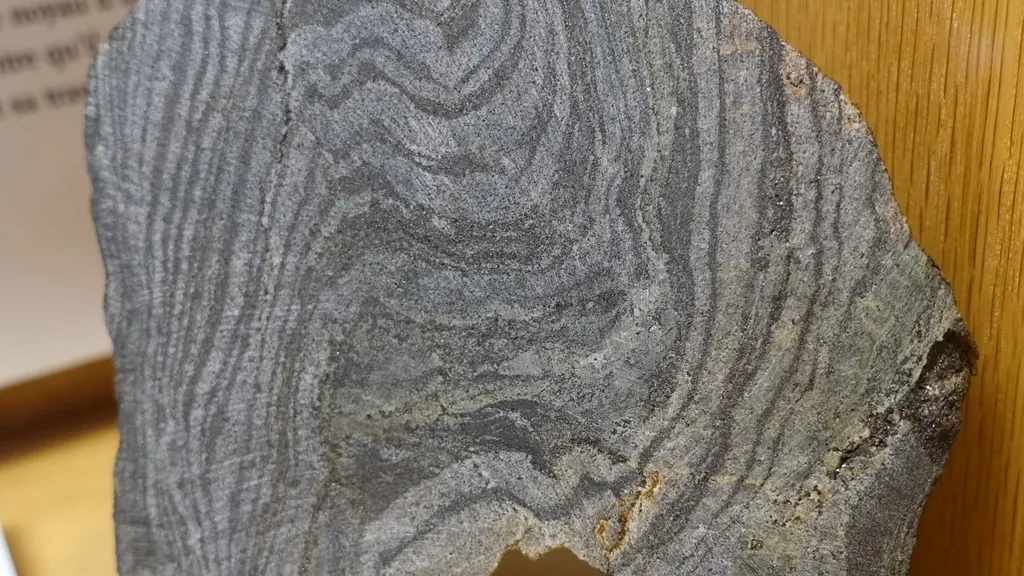
Only a handful of minerals are strongly magnetic, and nearly all of them contain iron. So when a rock grabs a magnet, the real question is: which iron mineral is inside, and did nature or a furnace put it there?
How to test if a rock is magnetic
- Use a strong magnet. A fridge magnet works for strongly magnetic rocks. A small neodymium (rare-earth) magnet picks up weak ones too.
- Hang the magnet on a thread and move the rock close. Even weak magnetism makes the magnet swing toward it. This is how meteorite hunters test.
- Test several spots. If only one spot pulls, the rock may just have a vein or grain of magnetite in it.
- Try the reverse: can your rock pick up a paper clip or iron filings? Then it's a natural magnet, called lodestone.
7 rocks that stick to a magnet
| Rock | How strongly | Clues |
|---|---|---|
| Magnetite | Very strong | Black, metallic, heavy, black streak, often in black beach sand |
| Lodestone | Very strong, attracts iron itself | Magnetite that became a magnet, likely from lightning |
| Pyrrhotite | Weak to strong | Bronze-colored metallic, dark grey-black streak |
| Ironstone and banded iron | Medium | Heavy, rusty or with dark and red bands |
| Basalt, gabbro, serpentinite | Weak | Dark rocks with tiny magnetite grains |
| Slag and iron scrap | Weak to very strong | Bubbles, glassy patches, rust, found near railways and old mines |
| Meteorite | Medium to strong | Heavy, thin dark crust, no bubbles, metal flecks inside |
Magnetite: the usual answer
Magnetite is an iron oxide that's common in igneous and metamorphic rocks. It's black, metallic, heavy (specific gravity about 5.2) and hard enough to scratch glass. Its streak is black. If you've found black sand on a beach or in a gold pan that jumps to a magnet, that's magnetite too. Prospectors call it "black sand" and it often turns up alongside gold, because both are heavy.
Is it slag?
Slag is the waste left over from melting metal ore. It's everywhere: along railway tracks, in old mining towns, on beaches near old furnaces, and used as fill in roads. Slag often contains iron, so it can be very magnetic. The giveaways:
- Gas bubbles or holes, especially round ones
- Glassy or shiny patches, sometimes blue, green or black
- Flow lines or a swirly, poured look
- Found near tracks, roads, factories or old smelters
Read our full slag vs meteorite guide for side-by-side tests.
Could it be a meteorite?
Most meteorites contain iron-nickel metal, so they attract a magnet. That's why the magnet test is the first step meteorite labs recommend. But it's only the first step. A real meteorite usually also:
- feels heavier than a normal rock of the same size
- has a thin black or brown crust (fusion crust), often weathered rusty
- has no gas bubbles, and no layers or quartz crystals
- shows shiny metal flecks if you file a small corner
- leaves no streak or a faint grey-brown one, not red and not black
Run through our free meteorite checker to score your rock in a minute.
Use the streak to tell them apart
Rub the rock on the unglazed back of a white tile:
- Black streak: magnetite
- Red-brown streak: hematite (usually only weakly magnetic)
- Dark grey-black streak, bronze color: pyrrhotite
- No streak or faint grey-brown: possibly a meteorite, or a hard rock like basalt
Our streak test identifier shows the matches for every color.
Is a magnetic rock worth anything?
Ordinary magnetite and magnetic basalt are worth little. Things collectors do pay for: strong lodestones that pick up paper clips (often $10 to $50 or more), sharp magnetite crystals (octahedrons), and real meteorites, which start around tens of dollars for small common ones and go much higher. See Is my rock valuable?
A magnet test can rule a meteorite out, but it can't prove one. Only a lab can confirm a meteorite.
Questions people ask
What rock is naturally magnetic?
Magnetite is the most magnetic natural mineral, and rocks rich in it stick strongly to a magnet. Lodestone is magnetite that is itself a magnet and can pick up paper clips. Pyrrhotite is also magnetic, and many dark rocks like basalt and gabbro are weakly magnetic because they contain small magnetite grains.
Is a magnetic rock a meteorite?
Probably not, but it's possible. About 95% of meteorites attract a magnet, so it's a good first test. But far more Earth rocks and pieces of slag are magnetic too. Check for bubbles (a sign of slag), a thin dark crust, unusual weight and the streak color.
Is hematite magnetic?
Pure hematite is only very weakly magnetic, usually too weak to feel with a fridge magnet. Many 'magnetic hematite' beads sold in shops are actually man-made. If your rock is strongly magnetic and leaves a black streak, it's magnetite; a red-brown streak means hematite.
Are magnetic rocks worth money?
Most aren't: magnetite and magnetic basalt are common. Strong lodestones, nice magnetite crystals, and of course real meteorites are worth money to collectors. A confirmed meteorite can sell for anything from tens to thousands of dollars.
Keep reading
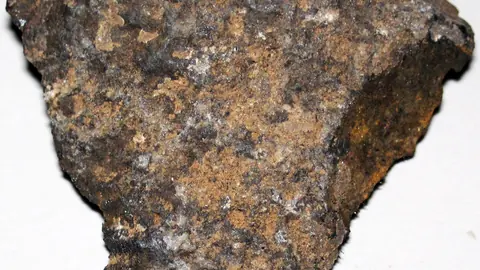
Lodestone: the rock that's a natural magnet
The natural magnet rock: how to spot it, where it's found and what it's worth.
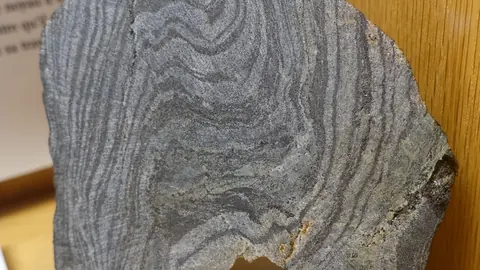
Magnetite: the rock that grabs your magnet
The mineral that made the first compass, and fools meteorite hunters daily.
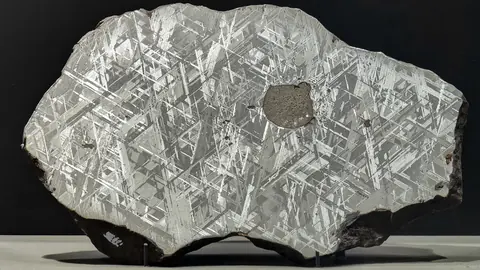
How to tell if a rock is a meteorite
Six tests to tell a real meteorite from a 'meteor-wrong', and what they're worth.