
Nephrite: the 'kidney stone' jade that's tougher than steel
Nephrite is one of the two minerals called jade. It isn't the hardest stone, but it's one of the toughest, so tough that people made axes from it for thousands of years.
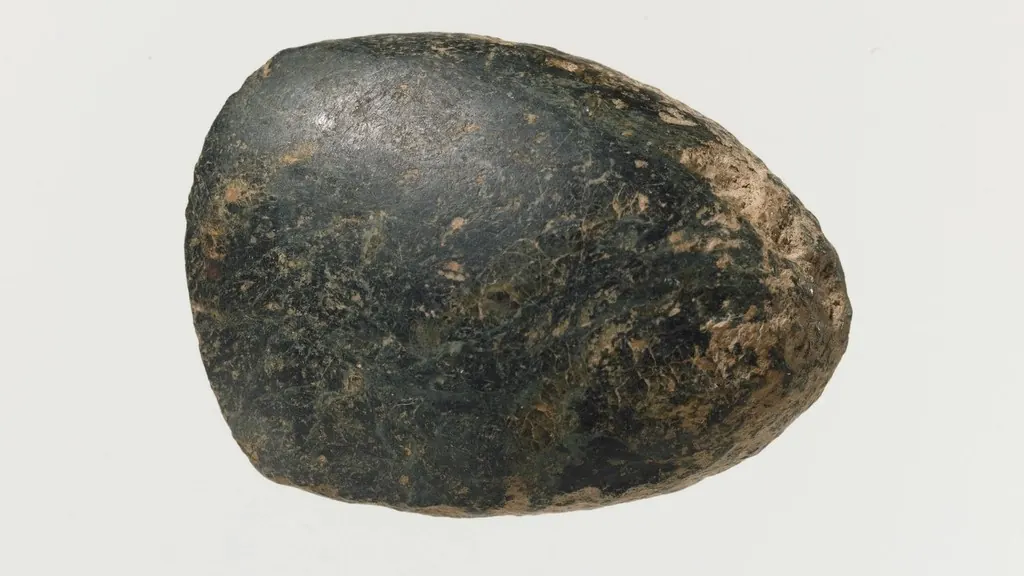
The name nephrite comes from the Greek for "kidney," because Europeans once believed the stone could cure kidney ailments. The cure didn't work, but the stone has fascinated people for over 7,000 years. In China, nephrite was carved into ritual objects long before gold or silver. In New Zealand, the Māori call it pounamu and treasure it as a taonga, a sacred heirloom.
Why nephrite is special: toughness
Nephrite isn't especially hard. At about 6 to 6.5 on the Mohs scale, quartz can scratch it. But it's incredibly tough: its microscopic fibers are woven together like felt, so it resists breaking better than almost any other stone. Diamond is harder, but a hammer can shatter diamond. Nephrite just bounces.
That's why Stone Age people across the world made nephrite axes, adzes and chisels that are still sharp thousands of years later.
How to identify nephrite
- Color: pale to dark green, olive, creamy white, grey or nearly black
- Waxy to greasy polish, not glassy
- Knife won't scratch it
- Heavy and cool to the touch
- Fibrous texture visible when you shine a flashlight through thin edges
- Very tough: rough pieces often have rounded, unbroken shapes
Real jade or fake?
| Stone | How to tell |
|---|---|
| Serpentine ("new jade") | Softer, a knife scratches it; lighter |
| Soapstone | Very soft, soapy feel, fingernail scratches it |
| Aventurine quartz ("Indian jade") | Glittery sparkles, grainy |
| Glass | Bubbles, glassy shine, warms quickly |
| Dyed quartzite or marble | Color collects in cracks; marble fizzes in vinegar |
Where to hunt for nephrite
- Big Sur coast, California: Jade Cove is famous for beach-washed nephrite (collect only below the high tide line and follow local rules)
- Wyoming: its state gemstone, found in the desert
- British Columbia, Canada: one of the world's top sources
- New Zealand's South Island: pounamu is protected and belongs to Ngāi Tahu, so it can't be collected freely
- Siberia and Xinjiang, China: sources of fine white and green nephrite
What's nephrite worth?
| Item | Rough value |
|---|---|
| Rough common nephrite | About $5 to $50 per pound |
| Fine translucent green rough | About $50 to $200+ per pound |
| Bangles and pendants | About $20 to hundreds of dollars |
| Fine white "mutton-fat" nephrite carvings | Thousands to tens of thousands of dollars |
| Antique Chinese jades | Can reach millions at auction |
Prices are rough guides. The jade market is full of fakes and treated stones; for valuable pieces, get a gem lab report.
How nephrite forms
Nephrite is a rock made of matted microscopic fibers of the amphibole minerals tremolite and actinolite. It forms where serpentinite or dolomite meet other rocks under heat and pressure, often along old plate boundaries. The tangled, felt-like fibers are what make nephrite so tough: a crack has to wind its way through millions of interlocking threads. The green color comes from iron. Nephrite with very little iron is white or cream ("mutton fat" jade).
Nephrite vs jadeite
Two different minerals are both sold as "jade":
| Nephrite | Jadeite | |
|---|---|---|
| Mineral | Amphibole (tremolite/actinolite) | Pyroxene |
| Hardness | 6 to 6.5 | 6.5 to 7 |
| Luster | Oily to waxy | Glassy to greasy |
| Colors | Spinach green, white, cream, grey, black | Emerald green, lavender, white, yellow, black |
| Main sources | Canada, New Zealand, Siberia, China, Wyoming, Australia | Myanmar, Guatemala, Japan |
| Price | Usually more affordable | Fine green "imperial" jadeite is among the most expensive gems |
Nephrite's long history
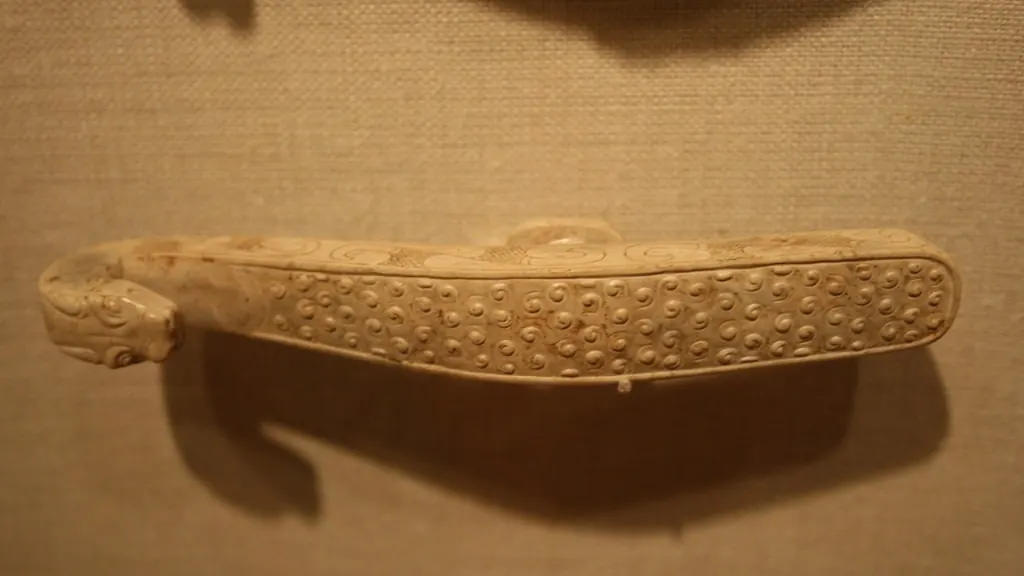
In China, nephrite has been carved for over 7,000 years, long before jadeite arrived from Burma in the 1700s. In New Zealand, Maori call it pounamu and carve it into treasured tools, weapons and pendants. It's also the state gem of Wyoming and was used for Stone Age axes in Europe, because it holds an edge and almost never shatters.
Caring for nephrite
Nephrite is tough but not very hard, so it can scratch against quartz dust and harder gems. Clean it with warm, soapy water and a soft cloth. Avoid harsh chemicals. A light rub with a cloth brings back its gentle, oily shine.
Green stone, but is it jade?
Snap a photo with RockFinder to check whether it looks like nephrite, serpentine or something else.
Questions people ask
How do you identify nephrite jade?
Nephrite is usually green, from pale celadon to spinach and dark green, or creamy white. It has a waxy to greasy polish, feels cool and heavy, can't be scratched by a steel knife (about 6 to 6.5), and is extremely tough and hard to break.
What is the difference between nephrite and jadeite?
Both are called jade. Nephrite is made of interlocking fibers of an amphibole mineral; jadeite is a pyroxene with interlocking grains. Jadeite can be more vivid and translucent and its finest 'imperial' green is far more valuable. Nephrite is slightly softer but even tougher.
How can I tell if jade is real?
Real nephrite is cool, heavy and tough, with a fibrous texture visible inside with a light. A steel knife won't scratch it. Fakes like serpentine and soapstone scratch easily, glass has bubbles, and dyed quartz shows color in cracks.
How much is nephrite worth?
Rough nephrite sells from a few dollars to over $100 per pound depending on color and translucency. Carvings range from tens of dollars to thousands. Fine white 'mutton-fat' nephrite from China can be extremely valuable.
Keep reading
Soapstone: the rock that feels like a bar of soap
Soft enough to carve with a knife, tough enough to cook on for 5,000 years.
Gemstone identification: 7 tests you can do at home
Sapphire or blue glass? Seven at-home tests that catch most fakes.
The Mohs hardness scale: test any rock with a fingernail, a coin and a knife
Fingernail, coin, knife, glass. The 200-year-old scratch test that still works.