
Soapstone: the rock that feels like a bar of soap
Soapstone is so soft you can carve it with a pocketknife, yet so tough against heat that people have cooked on it for thousands of years.
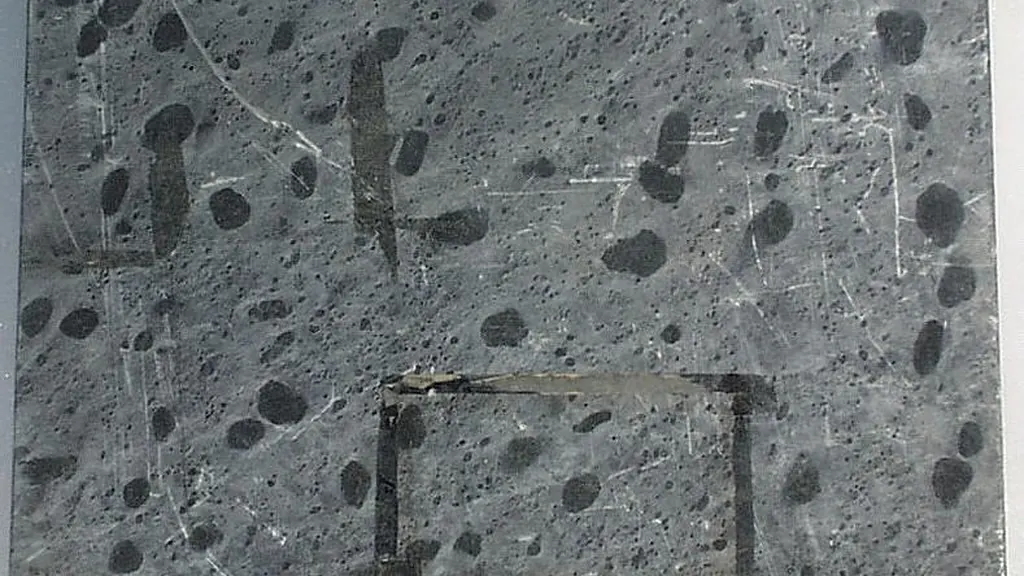
Run your thumb over a piece of soapstone and you'll understand the name instantly: it feels silky, slippery and a little greasy, exactly like a dry bar of soap. Scratch it with your fingernail and you'll leave a mark. For a rock, that's remarkably soft.
And yet soapstone is one of the most useful stones in human history.
What soapstone is
Soapstone (also called steatite) is a metamorphic rock made mostly of talc, the softest mineral on the Mohs scale. It forms when magnesium-rich rocks are altered by heat and hot fluids. The talc gives it its softness and soapy feel.
How to identify soapstone
- Soapy, slippery feel, especially when rubbed
- Very soft: a fingernail or coin scratches it
- Colors: grey, grey-green, white, brown, black
- Dull to waxy luster; polishes to a soft sheen
- Heavy and dense
- Feels warm and stays warm a long time after heating
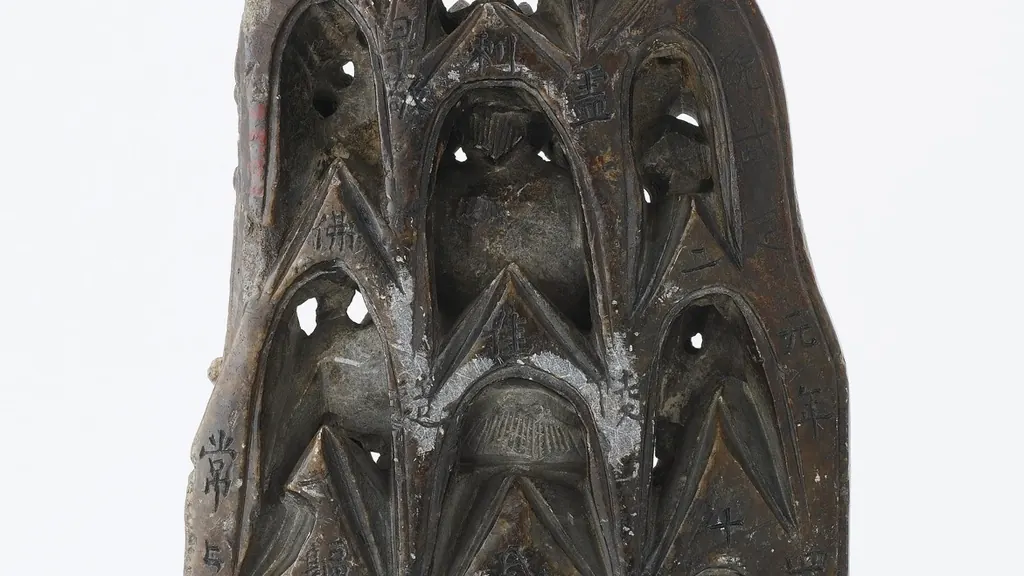
5,000 years of soapstone
- Cooking pots: soapstone holds heat beautifully and doesn't crack in fire. Ancient peoples from Scandinavia to North America carved pots from it
- Seals: the famous carved seals of the Indus Valley civilization, over 4,000 years old, are mostly steatite
- Art: Inuit carvers in Canada are known worldwide for soapstone sculpture
- Christ the Redeemer: the giant statue above Rio de Janeiro is covered in thousands of small triangular soapstone tiles
- Today: countertops, sinks, wood stoves, pizza stones and tailors' chalk
Soapstone vs look-alikes
| Stone | How it differs |
|---|---|
| Jade (nephrite or jadeite) | Hard, a knife won't scratch it; cool and smooth, not soapy |
| Serpentine | Harder (3 to 5), often greener, sold as "new jade" |
| Alabaster (gypsum) | Also soft, but white and translucent, not soapy |
| Pipestone (catlinite) | Red clay stone used for pipes, not talc-rich |
What's soapstone worth?
| Item | Rough value |
|---|---|
| Raw soapstone rocks | Essentially nothing; carving blocks about $2 to $10 per pound |
| Tourist carvings (animals, boxes) | About $5 to $40 |
| Soapstone countertops | Roughly $70 to $120 per square foot installed |
| Signed Inuit sculptures | Hundreds to tens of thousands of dollars |
| Antique Chinese soapstone seals and carvings | Tens to thousands of dollars |
Soapstone countertops are popular because they don't stain or etch from acids, and they can take a hot pan. They do scratch easily, but scratches can be sanded or oiled away.
Prices are rough guides. Wear a mask when sanding or carving soapstone; avoid breathing the dust.
Where to find soapstone
Soapstone forms where rocks rich in magnesium are changed by heat and fluids, usually along old mountain belts. Look in:
- The Appalachians: Virginia (the town of Schuyler has quarried it since the 1800s), North Carolina, Vermont and Georgia
- Brazil (the statue of Christ the Redeemer in Rio is covered with soapstone tiles), India, China, Canada and Scandinavia
- Old quarries, where you can often find offcuts
Native Americans quarried soapstone in the eastern US thousands of years ago to make bowls and pipes, and some of those quarry sites still show bowl-shaped cut marks.
Carving soapstone at home
Soapstone is the classic first carving stone because you can shape it with simple tools: a saw, rasps, files and sandpaper. Some tips:
- Carve it wet or outdoors and wear a dust mask. Some soapstone can contain small amounts of asbestos-like fibers, so avoid breathing the dust and buy carving stone sold as asbestos-free.
- Work from coarse to fine: rough shape with a rasp, then wet-sand with finer and finer paper.
- Finish with oil or wax (mineral oil or beeswax) to bring out the color and give it a soft shine.
Why it's used in kitchens
Soapstone is dense, nonporous and not affected by acids, which is why it's used for laboratory benches, sinks and countertops. It holds heat for a long time, so it's also used for wood stoves, pizza stones and griddles. On the downside, it scratches easily, though scratches can be sanded or oiled away.
Soft, soapy stone?
Snap a photo with RockFinder to confirm soapstone and tell it from jade or serpentine.
Questions people ask
How do you identify soapstone?
Soapstone feels smooth and slippery like soap, is very soft (a fingernail can scratch it), and is usually grey, green, white or brown. It's heavy, dull to waxy in luster, and often has a slightly mottled look.
What is soapstone made of?
Soapstone is a metamorphic rock made mostly of talc, the softest mineral on the Mohs scale, with varying amounts of chlorite, magnesite and other minerals.
What is the difference between soapstone and jade?
Jade is very hard and tough; a knife won't scratch it. Soapstone is soft and scratches easily. Soapstone carvings are often sold as 'jade', so a simple scratch test on a hidden spot reveals the difference.
Is soapstone valuable?
Raw soapstone is inexpensive. Carvings range from a few dollars for tourist pieces to thousands for fine Inuit art or antiques. Soapstone countertops cost roughly $70 to $120 per square foot installed.
Keep reading
The Mohs hardness scale: test any rock with a fingernail, a coin and a knife
Fingernail, coin, knife, glass. The 200-year-old scratch test that still works.
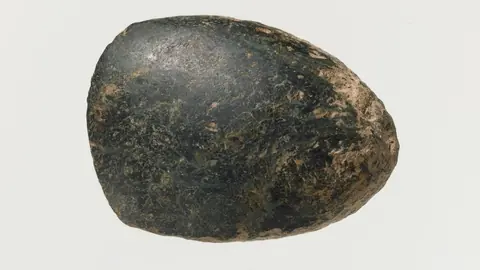
Nephrite: the 'kidney stone' jade that's tougher than steel
The jade that ancient people made axes from. Tough, beautiful, and often faked.
Types of rocks: the 3 kinds, and how to tell which one you're holding
Fire, layers or pressure? Every rock you find is one of three types.
More guides
- Crinoids: the 'sea lily' fossils that look like stacks of tiny coins
- Fulgurite: lightning, frozen in glass
- Halite: the one mineral you're allowed to lick
- How to clean rocks and crystals safely
- Unakite: the pink-and-green rock that looks like a watermelon
- Sunstone: the gem that sparkles like it's full of glitter