
Lodestone: the rock that's a natural magnet
Most magnetic rocks stick to a magnet. Lodestone is different: it IS a magnet. Hold one near a paperclip and the clip jumps to it. It's the rock that gave us the first compasses.
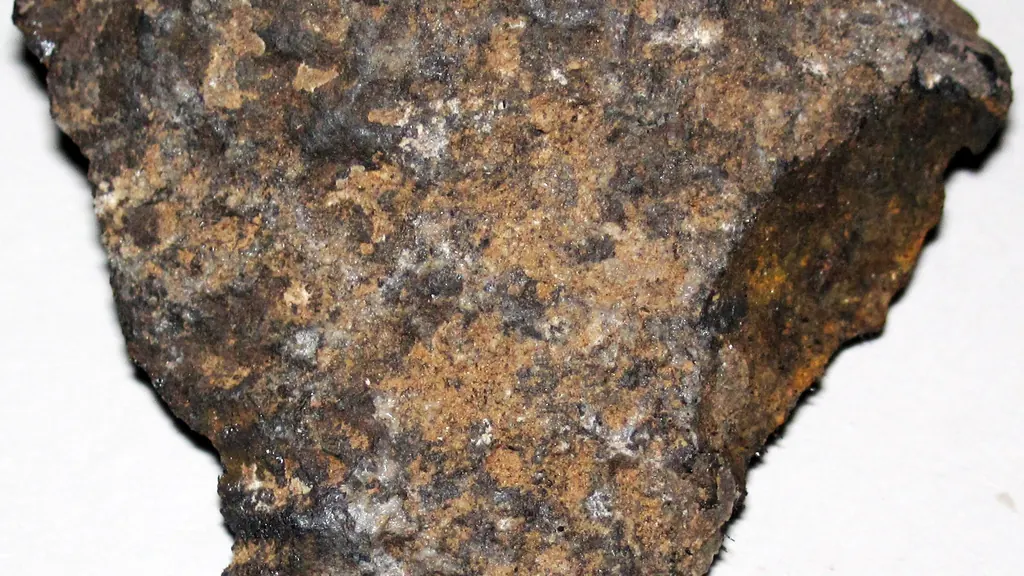
Lodestone is one of the oddest things you can find in nature: a rock that behaves like a fridge magnet. People in ancient China and Greece noticed it more than 2,000 years ago, and it was used to magnetize the needles of the first compasses. The name comes from old English "lode", meaning way or course, because it helped sailors find their way.
How to tell if your rock is lodestone
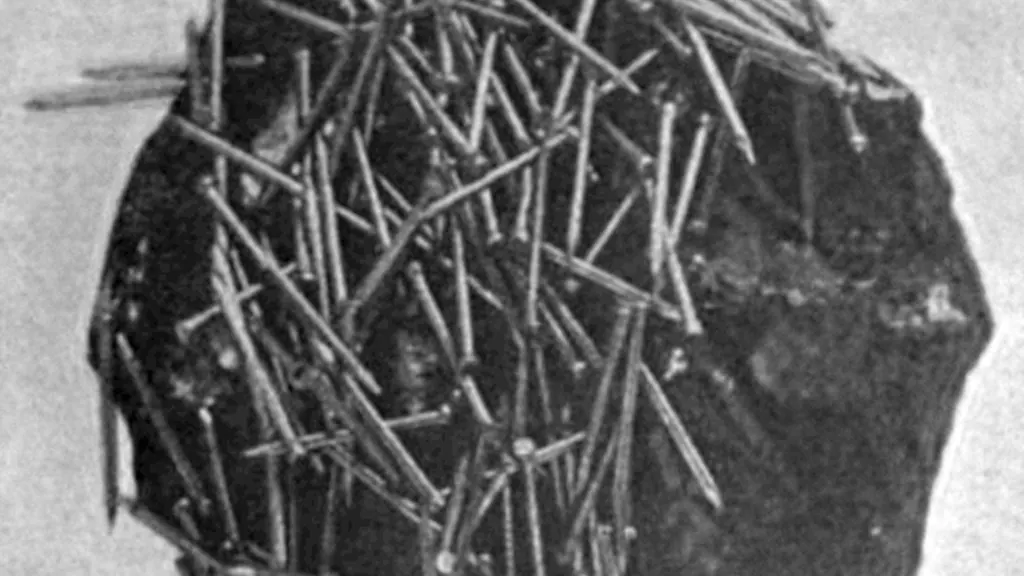
- The paperclip test. Hold a steel paperclip or pin near the rock. If it jumps to the rock and hangs there, you have lodestone. This is the one test that really counts.
- The iron filings test. Sprinkle iron filings (from a science kit) on paper and hold the rock over them. A lodestone pulls them up into a fuzzy "beard", usually at one or two spots (the poles).
- Color and weight. Lodestone is black to steel grey, often with a rusty brown crust, and feels heavy for its size (specific gravity about 5.2).
- Streak. Rubbed on the back of a bathroom tile, it leaves a black streak, the same as magnetite. Hematite, which looks similar, leaves a red-brown streak.
Lodestone vs magnetite vs other magnetic rocks
| Rock | Sticks to a magnet? | Picks up a paperclip? | Streak |
|---|---|---|---|
| Lodestone | Yes, strongly | Yes | Black |
| Magnetite | Yes, strongly | No | Black |
| Iron meteorite | Yes, strongly | Rarely | None or grey |
| Pyrrhotite | Weakly | No | Grey-black |
| Hematite | Usually not, or weakly | No | Red-brown |
| "Magnetic hematite" (shop stone) | Yes | Yes | Black |
The shiny "magnetic hematite" beads sold in shops are man-made magnets, not natural lodestone or hematite.
How lodestone becomes a magnet
Ordinary magnetite is full of tiny magnetic regions pointing in random directions, so they cancel out. Something has to line them all up. The best explanation is lightning: a strike sends a huge current through the ground, creating a powerful magnetic field for a split second, and the magnetite near the surface locks that magnetism in. That's why lodestones are found at the surface and in outcrops, not deep underground.
Where lodestone is found
Anywhere magnetite is common near the surface. In the US, well-known spots include Magnet Cove in Arkansas, parts of the Adirondacks in New York, and old iron mining districts in Utah and New Jersey. Elsewhere it turns up in Sweden, Norway, Siberia, the Philippines and India. Check the collecting rules before you take anything.
What lodestone is worth
| Type | Typical price |
|---|---|
| Small natural lodestone (under 50 g) | $2 to $10 |
| Larger piece that holds several clips | $10 to $40 |
| Strong display piece covered in iron filings | $20 to $100+ |
| Antique brass-mounted lodestone | Hundreds of dollars or more |
Prices are rough guides. Strength matters more than size.
Looking after a lodestone
Keep it dry so the surface doesn't rust, and keep it away from phones, credit cards and old hard drives. Don't heat it: magnetite loses its magnetism above about 580 °C. Store it with a small piece of iron touching it (a "keeper"), as people did for centuries, to help it hold its strength.
Found a magnetic rock?
Most rocks that stick to a magnet are magnetite, iron-rich basalt, slag or occasionally a meteorite. Read why is my rock magnetic?, try our meteorite checker, or snap a photo with RockFinder.
Questions people ask
What is the difference between lodestone and magnetite?
Lodestone is magnetite that is naturally magnetized. All lodestone is magnetite, but most magnetite isn't lodestone: ordinary magnetite sticks to a magnet but can't pick anything up by itself. Lodestone attracts paperclips and iron filings on its own.
How do you test if a rock is lodestone?
Hold a paperclip, a pin or some iron filings near it. If they jump to the rock and stick without a magnet involved, it's lodestone. If the rock only sticks to a fridge magnet, it's ordinary magnetite or another iron-rich rock.
How is lodestone formed?
Scientists think most lodestones were magnetized by lightning strikes. The huge electric current creates a strong magnetic field for an instant, which locks magnetism into the magnetite. That's why lodestones are usually found near the surface, not deep in mines.
Is lodestone worth money?
A little. Small natural lodestones sell for a few dollars, and strong pieces covered in iron filings for display can sell for $20 to $100 or more. Historic lodestones mounted in brass as compass magnetizers are collectibles worth much more.
Keep reading
Magnetite: the rock that grabs your magnet
The mineral that made the first compass, and fools meteorite hunters daily.
Why is my rock magnetic?
Magnetite, slag or a meteorite? What makes a rock stick to a magnet.
Hematite: the black stone that bleeds red
Shiny black outside, blood red when you scratch it. The mineral that colors Mars.