
Crinoids: the 'sea lily' fossils that look like stacks of tiny coins
Those little discs with a hole in the middle, like fossil Cheerios? They're pieces of crinoids, animals that looked like flowers and filled ancient seas.
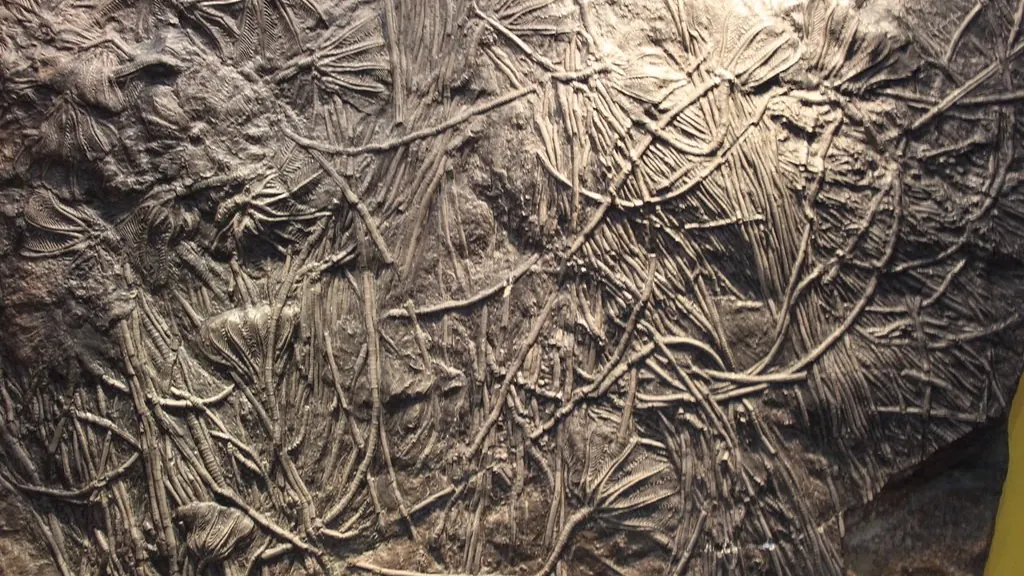
If you've ever looked closely at gravel or limestone and noticed tiny discs with a hole in the center, like stacked coins or fossil breakfast cereal, you've found a crinoid. They're among the most common fossils on Earth, and they've been finding their way into human hands for thousands of years.
What crinoids were (and are)
Despite looking like plants, crinoids are animals, relatives of starfish and sea urchins. Many lived anchored to the sea floor by a long, flexible stem made of stacked discs. At the top sat a cup-shaped body with feathery arms that caught food drifting by. That's why they're nicknamed sea lilies.
Around 350 million years ago, crinoids were so abundant that they formed vast underwater meadows. Some limestones are made almost entirely of their broken stems. A few hundred species still live today, mostly in deep water, and some can even crawl.
How to identify crinoid fossils
- Round discs, a few millimeters to over a centimeter across
- A hole in the center, round or star-shaped (five-pointed)
- Stacked columns that look like a stack of coins or a segmented worm
- Radiating lines on the flat faces in some species
- Found in limestone or shale, often in large numbers
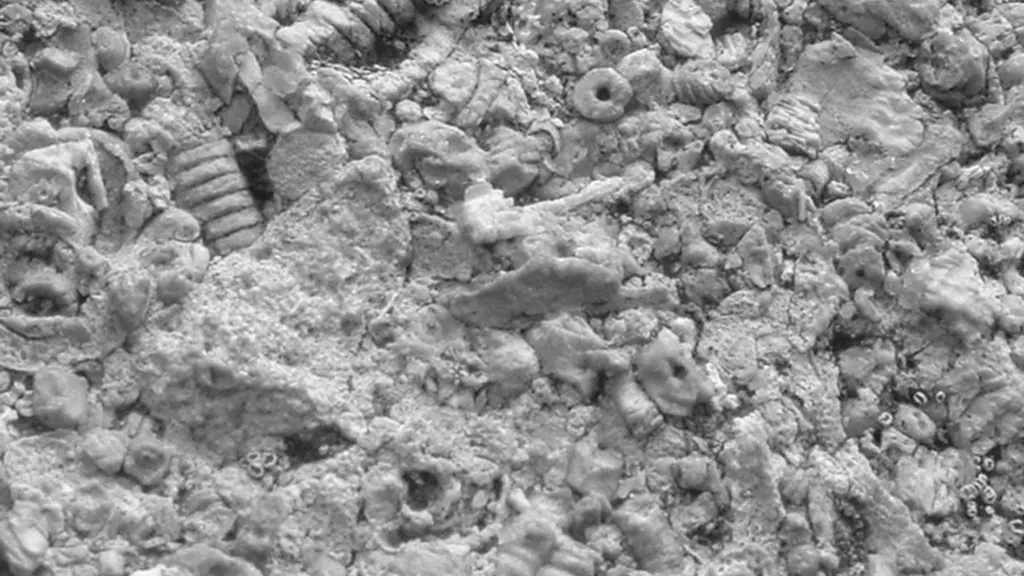
Indian beads and Saint Cuthbert's beads
Because they already have a hole, crinoid stem pieces have been strung as beads since ancient times. In parts of North America they're called "Indian beads". In northern England, crinoids washing up on Lindisfarne were called "Saint Cuthbert's beads", said to be made by the saint himself. The five-pointed star kind have been called "star stones."
Where to find them
- Creek beds and gravel bars in limestone country
- Road cuts and quarries in limestone and shale
- Gravel driveways and parking lots made from crushed limestone (really)
- Famous US areas: Crawfordsville, Indiana; LeGrand and Burlington, Iowa; Missouri; Kentucky; Ohio; and Texas
What are crinoid fossils worth?
| Item | Rough value |
|---|---|
| Loose stem discs | A few cents each, or a few dollars a bag |
| Stem sections and limestone full of crinoids | About $2 to $20 |
| Polished crinoid limestone | About $5 to $40 |
| Complete calyx (cup) | About $20 to a few hundred dollars |
| Complete crinoids with arms on a slab | Hundreds to thousands of dollars |
The money is in the heads. Stems are everywhere, but finding a complete cup with arms is a big day for any fossil hunter.
Prices are rough guides. Get permission before collecting in quarries and on private land.
How crinoid fossils form
When a crinoid died, its soft tissue rotted away within days and its skeleton of small calcite plates (ossicles) fell apart. Currents scattered the plates across the sea floor. Over time, layers of mud and lime buried them, and they became part of the rock. That's why you usually find single round stem discs or short stacks, not complete animals. Whole crinoids, with their feathery arms, are only preserved where a mudflow buried them alive, and they're among the most prized fossils on the market.
In some places there were so many crinoids that whole beds of limestone are made of their broken pieces. Geologists call this crinoidal limestone. Polished, it's used as a decorative building stone.
How to tell a crinoid from look-alikes
- Crinoid stem: round or star-shaped disc with a small hole in the middle and fine ridges radiating out.
- Coral (horn coral): cone-shaped with many partitions running from the center to the edge, no central hole.
- Worm burrows: tubes that branch or wander, with no segments or discs.
- Modern beads: perfectly identical, often drilled, and not part of any rock.
Cleaning crinoid fossils
Crinoids are calcite, so never use vinegar or acid on them: it dissolves the fossil as fast as the rock. Soak them in water, scrub with a soft toothbrush, and pick out mud with a wooden toothpick. If they're in shale, you can sometimes soak the shale in water and let it fall apart, freeing the stems.
Tiny stacked discs?
Snap a photo with RockFinder to confirm it's a crinoid or identify other fossils in the rock.
Questions people ask
What does a crinoid fossil look like?
Most crinoid fossils are pieces of stem: small round or star-shaped discs, often with a hole in the center, either alone or stacked into short columns. Rarer finds include the cup-shaped head (calyx) and feathery arms.
What was a crinoid?
Crinoids are marine animals related to starfish and sea urchins. Many lived attached to the sea floor by a long stem, with a cup and feathery arms on top that filtered food from the water. They're often called sea lilies, and some species still live today.
Where can I find crinoid fossils?
They're common in limestone and shale from ancient seas, especially rocks from the Paleozoic era. In the US, Indiana, Iowa, Illinois, Missouri, Kentucky, Ohio and Texas have many. They often weather out in creek beds, gravel driveways and road cuts.
Are crinoid fossils worth money?
Stem pieces are very common and worth little, a few cents to a few dollars. Complete heads (calyxes) sell for tens to hundreds of dollars, and full crinoids with stems and arms on a slab can sell for thousands.
Keep reading
Shale: the crumbly rock that holds Earth's best-kept secrets
The world's most boring-looking rock is a fossil vault. Here's how to open it.
Concretions: the weird round rocks everyone thinks are eggs
Cannonballs, 'dinosaur eggs' and Martian blueberries. The mystery rock explained.
Dinosaur bone: how to tell if you've found a piece of a dinosaur
Kids and hikers find real dinosaur bones. Here's how to recognize one.
More guides
- Agate: how to identify it and what it's worth
- How to identify rocks: a simple step-by-step guide
- Common rocks and minerals you're likely to find
- Is my rock valuable? How to tell if a rock is worth money
- Limestone vs marble: how to tell them apart
- Types of rocks: the 3 kinds, and how to tell which one you're holding