
Dinosaur bone: how to tell if you've found a piece of a dinosaur
Yes, ordinary people find dinosaur bones. Hikers, farmers and kids have all made major discoveries. Here's how to recognize fossil bone, and what to do next.
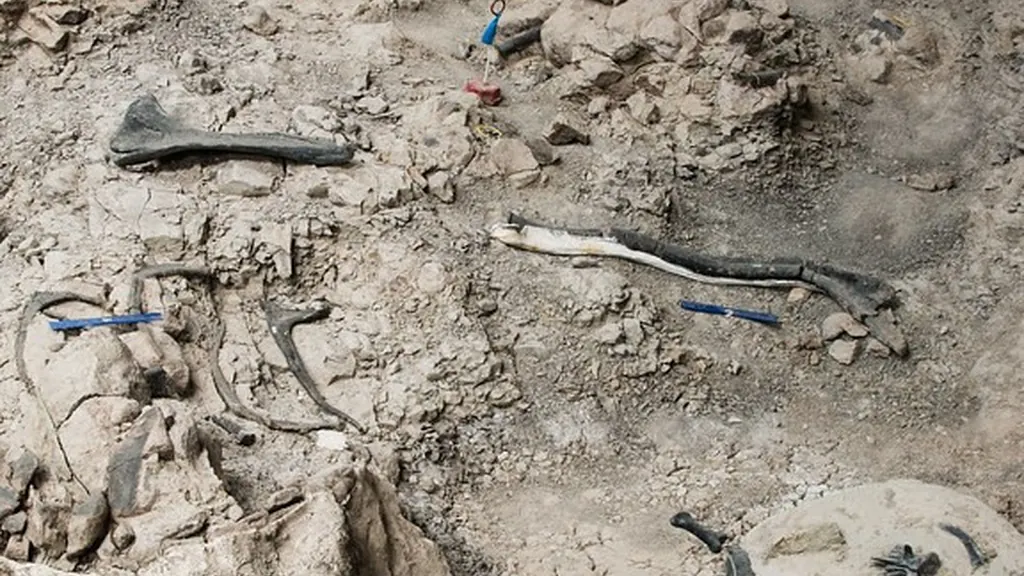
In 2022, three kids hiking in the badlands of North Dakota spotted a bone sticking out of the ground. It turned out to belong to a young Tyrannosaurus rex. Ranchers, hikers and children around the world have found dinosaur bone. If you live near ancient sedimentary rock, especially sandstone and mudstone from the age of dinosaurs, it's not as far-fetched as it sounds.
What fossil bone is
When a dinosaur was buried quickly in sand or mud, groundwater seeped through its bones over millions of years. Minerals like quartz, calcite and iron oxides filled the tiny spaces inside the bone. The result is a rock in the exact shape of the bone, often still showing its internal structure in amazing detail.
How to identify dinosaur bone
- Honeycomb pattern: on a broken end, look for a spongy network of tiny cells (bone marrow spaces). This is the number one clue
- Dense outer rim: a smooth, solid layer surrounding the spongy center
- Bone-like shape: tubes, flared joint ends, flat plates, ribs
- Heavy: it's rock now, not bone
- Colors: brown, black, grey, tan; sometimes red, yellow or blue from minerals
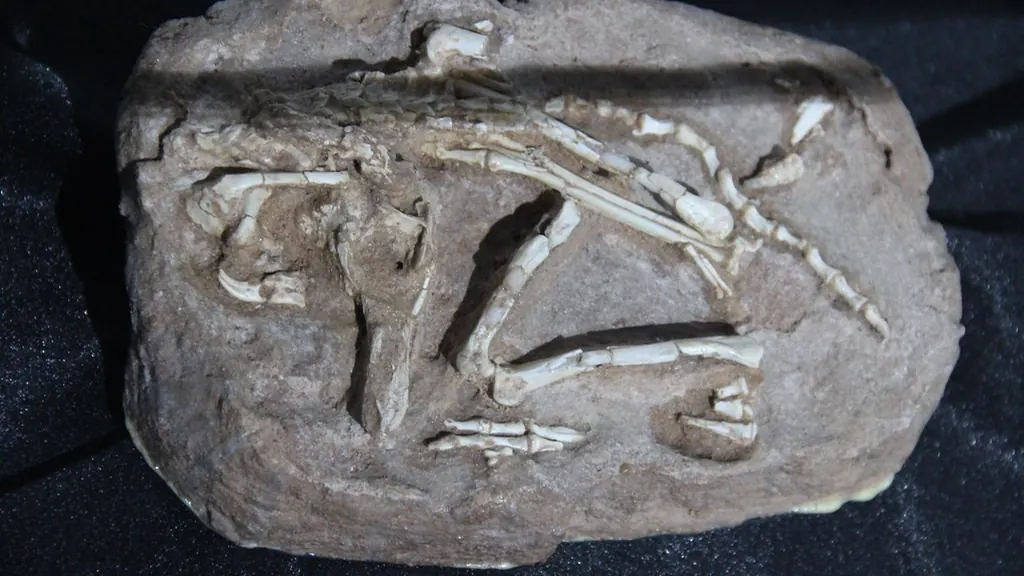
Bone, wood or just rock?
| Find | Key sign |
|---|---|
| Dinosaur bone | Spongy honeycomb cells, solid outer layer, no rings |
| Petrified wood | Growth rings, long straight grain, bark texture |
| Concretion | Rounded lump, often layered like an onion; no cells |
| Bubbly rock or slag | Round holes, not a network of cells |
The "tongue test" is a classic: fossil bone often sticks slightly to a damp tongue because of its porous structure. Some rocks do this too, so treat it as a fun hint, not proof.
The law matters here
Fossil bone is where hobby collecting gets serious:
- US federal and state land: vertebrate fossils (bones, teeth) are protected. Leave them, photograph them and report them
- Private land: the fossils belong to the landowner
- Other countries: many, like Canada, Mongolia and China, strictly protect fossils
If you find something, take photos with an object for scale, record the location, and contact a natural history museum or university. Many big discoveries were made by amateurs who did exactly this, and some got the species named after them.
Gem bone: dinosaurs turned to agate
In parts of Utah and Colorado, dinosaur bone was filled with colorful agate. Sliced and polished, the cells glow red, yellow and blue. "Gem bone" is popular in jewelry, but only legal when it comes from private land.
What's dinosaur bone worth?
| Item | Rough value |
|---|---|
| Small legal bone fragments | About $5 to $50 |
| Polished gem bone slices or cabochons | About $20 to a few hundred dollars |
| Raptor and T. rex teeth (legal, private-land) | Hundreds to thousands of dollars |
| Identifiable bones (vertebrae, claws) | Hundreds to thousands of dollars |
| Complete skeletons | Millions (a T. rex named Stan sold for about $32 million in 2020) |
Prices are rough guides. Many "dinosaur bone" listings online are fakes, composites or of unclear origin, so buy only with documented provenance.
Bone or rock?
Snap a photo with RockFinder to see whether your find looks like fossil bone, petrified wood or a concretion.
Questions people ask
How do I know if I found a dinosaur bone?
Look for a spongy, honeycomb-like pattern of tiny cells on a broken end, a solid outer layer around it, and a bone-like shape. Fossil bone is heavy like rock. Many people also use the 'tongue test': fossil bone's porous texture tends to stick slightly to a damp tongue, but that's not reliable on its own.
Is it legal to collect dinosaur bones?
It depends where. In the US, vertebrate fossils on federal public land are protected by law and can't be collected without a permit. On private land they belong to the landowner. Many countries protect all significant fossils. Always check local laws.
What's the difference between dinosaur bone and petrified wood?
Petrified wood shows growth rings and long, straight grain, like wood. Dinosaur bone shows a spongy, honeycomb-like interior with a dense outer rim and no rings.
How much is a dinosaur bone worth?
Small legal fragments sell for about $5 to $50. Polished gem bone slices sell for tens to hundreds of dollars. Identifiable bones and teeth can be worth hundreds to thousands, and complete skeletons have sold for millions.
Keep reading
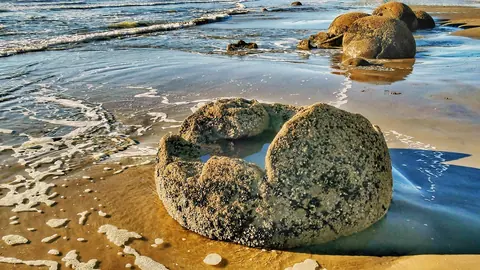
Concretions: the weird round rocks everyone thinks are eggs
Cannonballs, 'dinosaur eggs' and Martian blueberries. The mystery rock explained.
Shale: the crumbly rock that holds Earth's best-kept secrets
The world's most boring-looking rock is a fossil vault. Here's how to open it.
Types of rocks: the 3 kinds, and how to tell which one you're holding
Fire, layers or pressure? Every rock you find is one of three types.