
Rhyolite: the rock of supervolcanoes
Rhyolite comes from the most explosive volcanoes on Earth, including Yellowstone. It's granite's volcanic twin, and it hides thundereggs and 'rainforest jasper'.
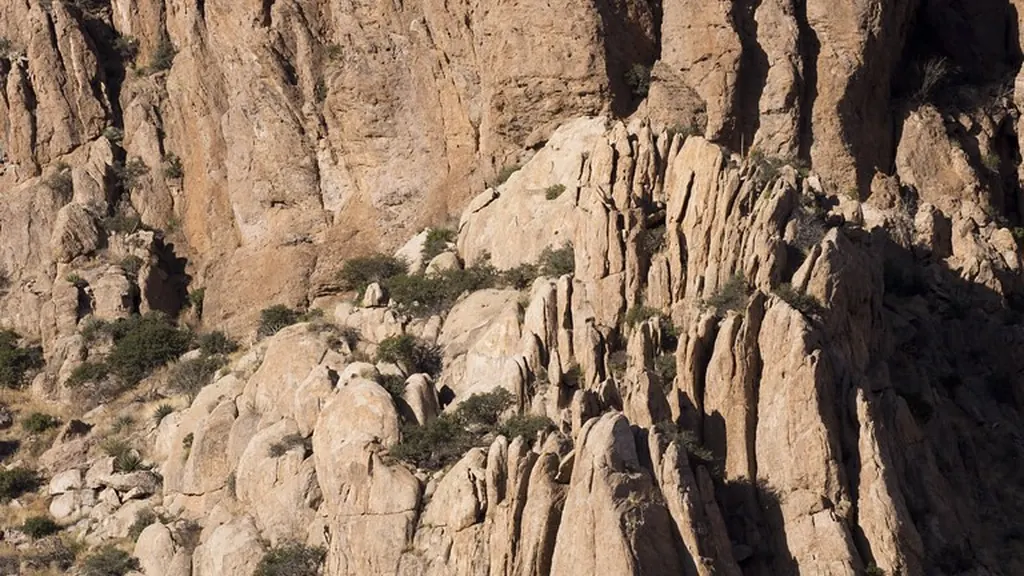
About 630,000 years ago, a volcano in what's now Yellowstone National Park erupted with roughly 1,000 cubic kilometers of material, enough to bury a large city under kilometers of ash. The magma behind that supereruption was rhyolite. Today, much of Yellowstone's colorful canyon walls are made of it.
What rhyolite is
Rhyolite is a volcanic rock with the same chemistry as granite: lots of silica, quartz and feldspar. The difference is speed. Granite cools slowly deep underground and grows big crystals. Rhyolite erupts and cools fast at the surface, so its crystals stay tiny. If it cools even faster, it becomes obsidian (glass) or foams into pumice.
How to identify rhyolite
- Light color: pink, salmon, grey, tan, cream, sometimes red or purple
- Fine-grained: mostly too fine to see crystals
- Scattered larger crystals (phenocrysts) of glassy quartz or blocky feldspar in some pieces
- Flow bands: wavy stripes from the sticky lava folding as it moved
- Hard: about 6, scratches glass
- No fizz in vinegar
Rhyolite vs look-alikes
| Rock | How it differs |
|---|---|
| Granite | Same minerals, but big visible crystals |
| Andesite | Darker grey, less quartz, from volcanoes like Mount St. Helens |
| Basalt / scoria | Dark grey to black |
| Sandstone | Grainy, sand rubs off, layered |
| Jasper | Waxy, smooth, very fine; no feldspar crystals |
The treasures hiding in rhyolite
- Thundereggs: rough, round nodules that form in rhyolite ash and lava. Cracked open, they reveal star-shaped centers of agate or opal. Oregon's state rock
- Rainforest jasper: a green, pink and cream rhyolite from Australia with eye-like spots
- Wonderstone: rhyolite with swirling bands of red, yellow and tan from iron staining
- Topaz and red beryl: Utah's Topaz Mountain and Wah Wah Mountains have gem crystals in cavities in rhyolite
A ghost town named after a rock
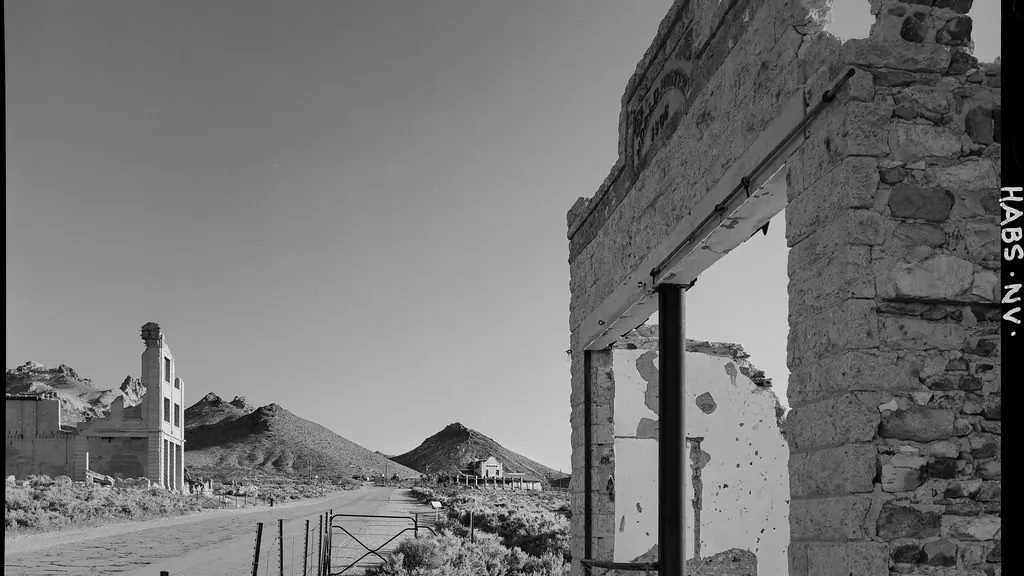
Rhyolite, Nevada, was a booming gold-rush town of several thousand people around 1907. A few years later it was nearly empty. Today it's a ghost town near Death Valley, famous for a house built from glass bottles.
What's rhyolite worth?
| Item | Rough value |
|---|---|
| Plain rhyolite rocks | Essentially nothing |
| Tumbled rainforest jasper or wonderstone | About $1 to $5 |
| Uncut thundereggs | About $3 to $20 each |
| Cut and polished thundereggs | About $10 to $200+ depending on pattern |
| Topaz crystals from rhyolite cavities | About $5 to hundreds of dollars |
Prices are rough guides. No collecting inside Yellowstone or other national parks.
How rhyolite forms
Rhyolite is the volcanic twin of granite: the same silica-rich magma, but it erupted and cooled quickly at the surface instead of slowly underground. That's why its crystals are too small to see. Rhyolite magma is thick and sticky and traps a lot of gas, so its eruptions are often explosive. The same magma can make several different rocks depending on how it cools:
- Slow-ish cooling on the surface: rhyolite, fine-grained with a few visible crystals
- Very fast cooling: obsidian, natural glass
- Frothed with gas: pumice
- Blown into ash that settles and welds: tuff and ignimbrite
Where to find rhyolite
Rhyolite is common in the western US: Yellowstone (which sits on a giant rhyolite volcano), Idaho, Nevada, Oregon, New Mexico and Utah. It's also found in New Zealand's Taupo volcanic zone, Iceland, Scotland and Mexico. In creek gravels, look for pink, tan, grey or lavender pebbles with faint flow lines and small glassy or pink crystal specks.
Step-by-step: is it rhyolite?
- Look at the grain. You should see mostly fine, smooth rock with only a few small crystals.
- Check the color. Light colors (pink, tan, cream, light grey) point to rhyolite. Dark grey or black points to basalt or andesite.
- Look for flow banding: thin, wavy, parallel lines from the lava flowing.
- Scratch test. Rhyolite is hard (about 6), so a steel knife barely marks it.
- Vinegar test. No fizz. If it fizzes, it's probably limestone or has calcite in it.
Pink volcanic rock?
Snap a photo with RockFinder to see if it's rhyolite, granite or jasper.
Questions people ask
How do you identify rhyolite?
Rhyolite is a light-colored volcanic rock: pink, grey, tan, white or reddish. It's fine-grained (crystals mostly too small to see), often with a few larger crystals of quartz or feldspar, and frequently shows wavy flow bands. It's hard (about 6) and doesn't fizz in acid.
What is the difference between rhyolite and granite?
They have the same chemistry. Granite cooled slowly underground, so its crystals are large and easy to see. Rhyolite erupted and cooled quickly at the surface, so its crystals are tiny.
Why are rhyolite eruptions so explosive?
Rhyolite magma is very rich in silica, which makes it thick and sticky. Gas can't escape easily, so pressure builds until it bursts violently, producing pumice, ash and huge caldera eruptions like Yellowstone's.
Is rhyolite valuable?
Plain rhyolite is common and cheap. Decorative varieties like rainforest jasper (from Australia), flow-banded 'wonderstone' and thundereggs that form in rhyolite can sell for a few dollars to hundreds.
Keep reading
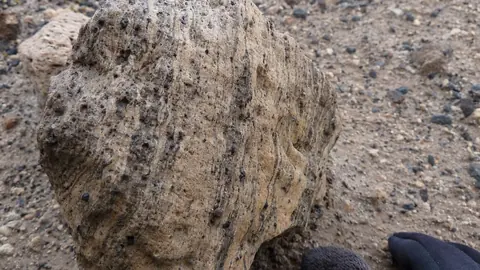
Pumice: the rock that floats
Volcanic foam that floats, crosses oceans, and smooths your feet.
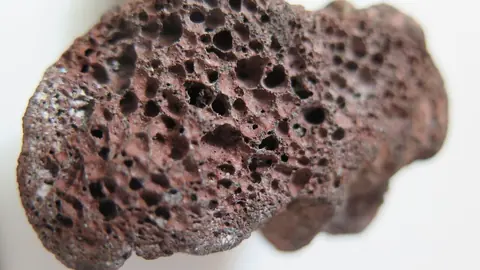
Scoria: the bubbly lava rock in every garden center
The lava rock in your garden, born in fountains of glowing froth.
Types of rocks: the 3 kinds, and how to tell which one you're holding
Fire, layers or pressure? Every rock you find is one of three types.