
Chalcedony: the glowing stone hiding on beaches and riverbanks
Chalcedony is quartz made of crystals too small to see. Hold a piece up to the sun and it lights up like candle wax.
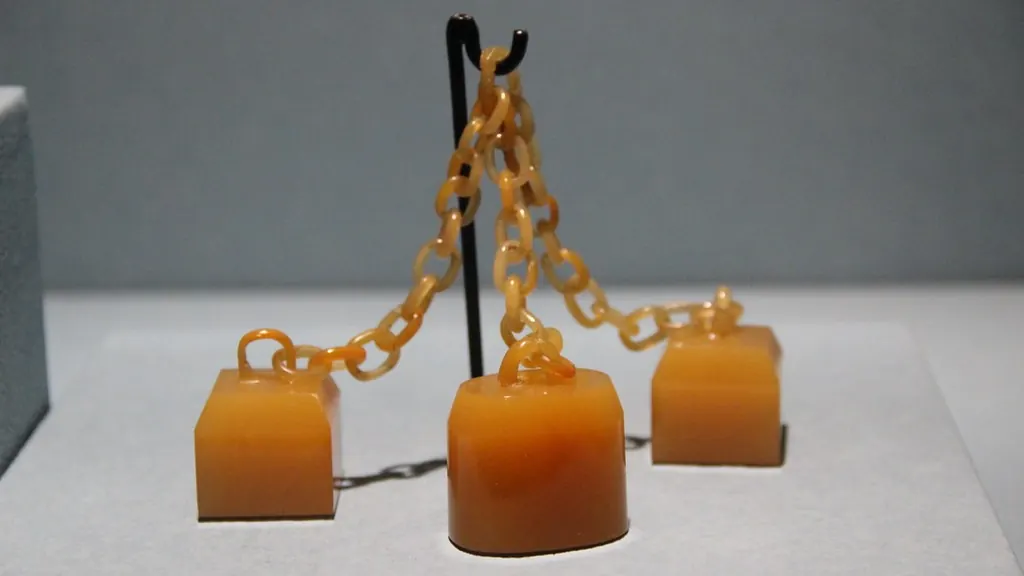
Walk along a gravel beach with the sun low in front of you, and some pebbles will suddenly glow like gummy candy. Pick one up: it's waxy, smooth and lit from within. That's chalcedony (say "kal-SED-uh-nee"), and it's one of the most rewarding stones a beginner can find.
What chalcedony is
Chalcedony is quartz, but instead of growing as big six-sided crystals, it's made of countless microscopic fibers packed together. That's what gives it its soft, waxy glow instead of a glassy sparkle. It forms when silica-rich water seeps into cavities and cracks, usually in volcanic rock, and slowly deposits layer after layer.
How to identify chalcedony
- Translucent: light passes through, especially on thin edges
- Waxy shine, like a candle or soap
- Very hard: about 6.5 to 7, scratches glass
- Smooth, curved fractures
- Bumpy, grape-like outer surface (called botryoidal) on uncut pieces
- Common colors: white, grey, light blue, honey, orange, brown
One stone, many names
Jewelers gave chalcedony a different name for almost every color and pattern:
| Name | What it looks like |
|---|---|
| Agate | Banded chalcedony |
| Carnelian | Orange to red, translucent |
| Chrysoprase | Apple green (from nickel) |
| Onyx | Straight black and white bands |
| Bloodstone | Dark green with red spots |
| Blue chalcedony | Soft lavender-blue |
| Jasper and chert | Close cousins: same silica, but opaque |
A stone with history
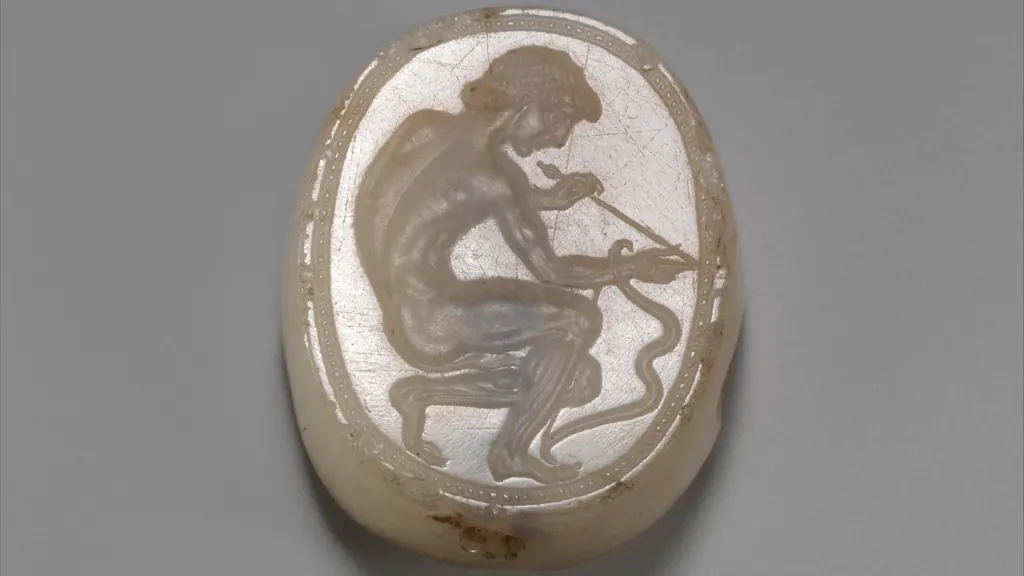
Chalcedony was one of the first stones people carved for seals and signet rings. Ancient Mesopotamians, Greeks and Romans pressed carved chalcedony seals into wax to sign documents, because it's hard enough to keep a crisp design for centuries. Carnelian beads have been found in burials over 7,000 years old.
Where to find it
- River gravel and beaches near volcanic areas
- Deserts, where it lies on the surface as nodules, crusts and broken chips
- Inside geodes and thundereggs as a lining
Tip: spray rocks with water. Dry chalcedony looks dull and chalky, but wet it glows.
What's chalcedony worth?
| Item | Rough value |
|---|---|
| Beach and river chalcedony pebbles | Free to a few dollars |
| Tumbled chalcedony or carnelian | About $1 to $3 |
| Natural blue chalcedony rough | About $10 to $100+, depending on color |
| Fine gem chrysoprase | About $10 to $100+ per carat for top color |
| Antique carved chalcedony seals | Hundreds to thousands of dollars |
Beware bright, uniform colors: a lot of "blue" or "pink" chalcedony and agate on the market is dyed. Natural colors are usually softer and uneven.
Prices are rough guides and depend on color, translucency and size.
Glowing pebble?
Snap a photo with RockFinder to see if it's chalcedony, agate, carnelian or quartz.
Questions people ask
How do you identify chalcedony?
Chalcedony is translucent (light shines through it), has a waxy to glassy shine, is very hard (it scratches glass), and breaks with smooth curved surfaces. It often has a bumpy, grape-like outer surface and glows when backlit.
What is the difference between chalcedony and agate?
Agate is chalcedony with bands. All agate is chalcedony, but chalcedony without bands is just called chalcedony, or by a color name like carnelian (orange) or chrysoprase (green).
Is chalcedony valuable?
Most chalcedony is affordable: tumbled stones cost a dollar or two and beach finds are free. Fine colors like blue chalcedony, gem chrysoprase or top carnelian can sell for tens to hundreds of dollars.
Where can I find chalcedony?
Chalcedony is common worldwide in gravel beds, beaches and deserts, especially near old volcanic rocks. It survives tumbling in rivers because it's so hard, so it collects in gravel bars.
Keep reading
Chert: the rock that made the Stone Age possible
Humanity's first steel. Sharper than a scalpel, and probably in your local creek.
Rockhounding: how to start hunting for rocks, gems and fossils
Treasure hunting for real. Where to go, what to bring, and what you might find.
Types of rocks: the 3 kinds, and how to tell which one you're holding
Fire, layers or pressure? Every rock you find is one of three types.