
How to find agates
Agate hunting is a game of light. Most agates look like dull pebbles until the sun hits them just right and they glow. Here's where they hide and how to train your eye.
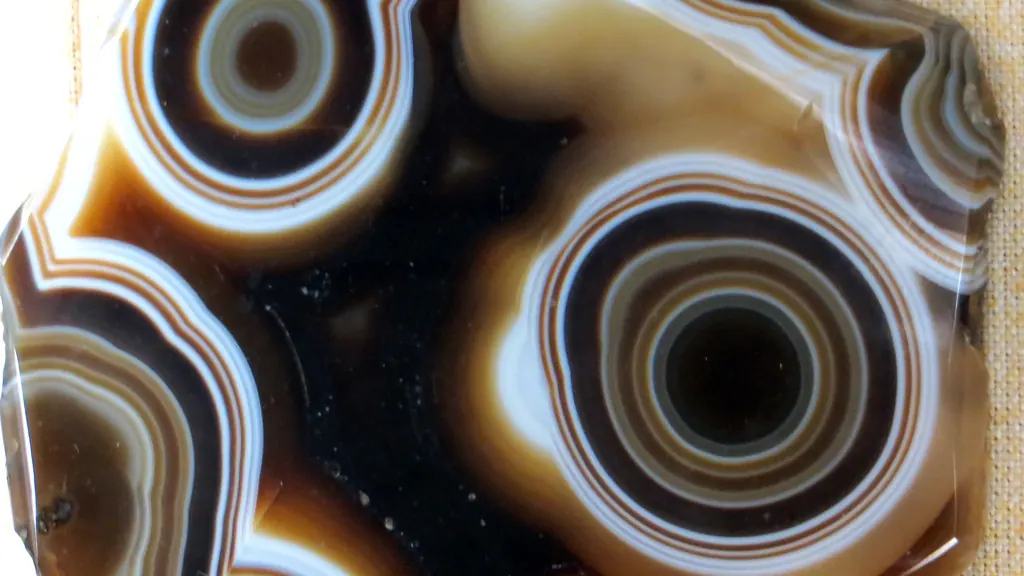
Agates form inside gas bubbles in old lava, where silica-rich water left thin layers over thousands of years. When the lava erodes, the hard agates survive and get carried into rivers, gravel and beaches. That's where you'll find them. (Learn how they form in our agate guide.)
Where to look
- Beaches in agate regions, especially stretches of pebbles rather than sand
- River gravel bars, especially on the upstream end where bigger stones collect
- Gravel pits (with permission): fresh piles turned over by machines
- Gravel roads and driveways made from local gravel
- Plowed fields after rain in agate country
Famous agate areas include Lake Superior (Minnesota, Wisconsin, Michigan), the Yellowstone River in Montana, the Oregon and Washington coasts, Nebraska, and many places in Brazil, Mexico, Botswana and Australia. Local rock clubs know the spots, and the rules (see is it legal to take rocks?).
When to go
- After storms, high winds or spring thaw: fresh stones get washed up and turned over.
- After rain: wet stones show their color and glow.
- Early morning or late afternoon: low sun shines through translucent agates. Walk with the sun in front of you so light passes through the stones toward you.
- On overcast days: some hunters prefer them because there's no glare.
What to look for
- The glow. Agate is translucent. With the sun behind it, an agate glows like a candle while other stones stay dark.
- Waxy shine, especially when wet.
- Bands or lines, even faint ones, often following the stone's curved outline.
- A pitted rind, like orange peel, on many rough agates.
- Conchoidal fractures: smooth, curved, shell-like chips on the edges.
- Color: red, orange, white, grey, brown and tan are typical. Lake Superior agates get their red and orange from iron.
Tricks experienced hunters use
- Carry a spray bottle of water to wet stones on dry gravel.
- Use a small flashlight pressed against a stone to check for glow on cloudy days.
- Kneel or crouch: looking at stones from closer and lower helps you spot shine and translucency.
- Train your eye on a known agate: hold one in your hand while searching.
- Slow down. Agate hunting rewards patience more than distance covered.
Agate or look-alike?
| Stone | How to tell |
|---|---|
| Jasper | Same hardness but opaque: no glow with a flashlight |
| Chert | Duller, usually one color, little or no translucency |
| Quartz | Glassy rather than waxy, often milky white with no bands |
| Carnelian | A type of chalcedony: translucent orange-red with no bands; still a great find |
| Glass | Too smooth and glassy, often with bubbles; frosted beach glass has no bands |
Agate is hard (about 7), so it scratches glass. Check with our hardness test helper, or snap a photo with RockFinder.
The best agate-hunting spots
- Lake Superior shores and gravel pits in Minnesota, Wisconsin and Michigan, home of the Lake Superior agate, Minnesota's state gemstone.
- Oregon and Washington beaches, especially after winter storms move fresh gravel.
- The Yellowstone River in Montana for moss-filled Montana agate.
- West Texas and northern Mexico for colorful Texas and Laguna agates (mostly on private ranches with fee digging).
- Scotland, Germany (Idar-Oberstein), Brazil, Uruguay and Botswana worldwide.
Always check whether collecting is allowed: many state parks and all US national parks forbid it.
Read the beach
Agates are heavier than most beach pebbles, so waves sort them into the same places as other heavy stones. Look for:
- Bands of mixed, pea-to-walnut-sized gravel, not fine sand
- The line where the last wave stopped, especially on a falling tide
- Gravel bars on the inside of river bends
- Freshly turned-over gravel after a storm or high water
How to tell an agate from a look-alike
Hold the stone up with the sun or a flashlight behind it. Agates glow because they're translucent. Then look for the "waxy" shine and curved, shell-like breaks, and for bands. Chert and jasper don't glow. Glass beach pebbles glow but look frosted and usually have no bands.
After the hunt
Clean your finds with water and a brush (how to clean rocks), label where you found them, and tumble the plain ones to bring out the bands (rock tumbling for beginners). Keep big or special agates unpolished until you've shown them to a collector.
Questions people ask
Where are agates most commonly found?
In areas with old lava flows or volcanic rock, and in the gravels that wash out of them. Famous spots include Lake Superior's shores and gravel pits in Minnesota, Wisconsin and Michigan, the Yellowstone River in Montana, the beaches of Oregon and Washington, and many river beds in Brazil, Botswana, Mexico and Australia.
What is the best time to look for agates?
After storms, high winds, spring thaw or heavy rain, when fresh stones are washed out or turned over. Early morning and late afternoon are best because low sun shines through agates and makes them glow.
How can you tell an agate from a regular rock?
Agates are translucent at the edges and glow when you hold them up to light; ordinary rocks stay dark. They have a waxy shine, may show bands or lines, often have a pitted outer rind, and break with smooth curved surfaces. They're hard enough to scratch glass.
Should I wet rocks when looking for agates?
Yes. Water makes agates' color and translucency show up much better. Many hunters carry a spray bottle, or search at the water's edge where waves keep stones wet.
Keep reading
Agate: how to identify it and what it's worth
Banded stones that glow with a flashlight, from beach pebbles to $1,000 finds.

Chalcedony: the glowing stone hiding on beaches and riverbanks
Hold it up to the sun and it glows. The beach stone with a hundred names.
Rockhounding: how to start hunting for rocks, gems and fossils
Treasure hunting for real. Where to go, what to bring, and what you might find.