
Galena: shiny silver cubes made of lead
Galena looks like a lump of polished silver cubes, and it's so heavy it feels fake. It's actually lead ore, the mineral behind lead pipes, old radios and a fair share of the world's silver.
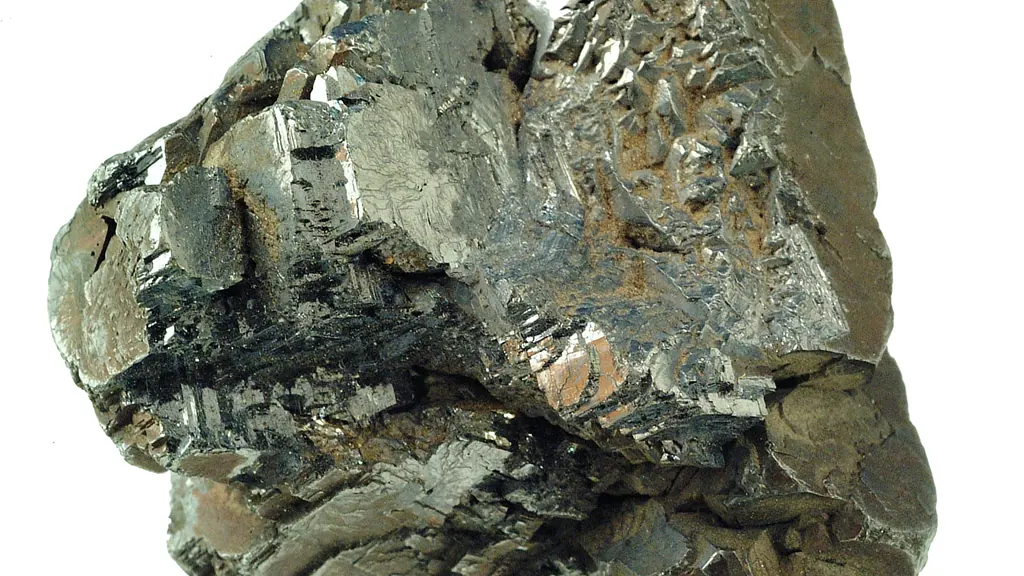
Pick up a piece of galena and your hand drops a little. A fist-sized chunk weighs about as much as a small dumbbell. That's because galena is lead sulfide, the main ore of lead, and it's more than seven times as heavy as the same volume of water.
It's also one of the easiest minerals to recognize once you know the signs, and a favorite with collectors for its shiny, near-perfect cubes.
How to identify galena
- Bright silver-grey and metallic, like polished lead; it can dull to grey over time
- Cubes: crystals are often cubes, and broken pieces split into smaller cubes with flat, mirror-like faces
- Very heavy: noticeably heavier than any ordinary rock (see why is my rock so heavy?)
- Soft: about 2.5, a copper coin scratches it
- Grey streak: rub it on unglazed white tile and it leaves a lead-grey line (streak test tool)
- Not magnetic
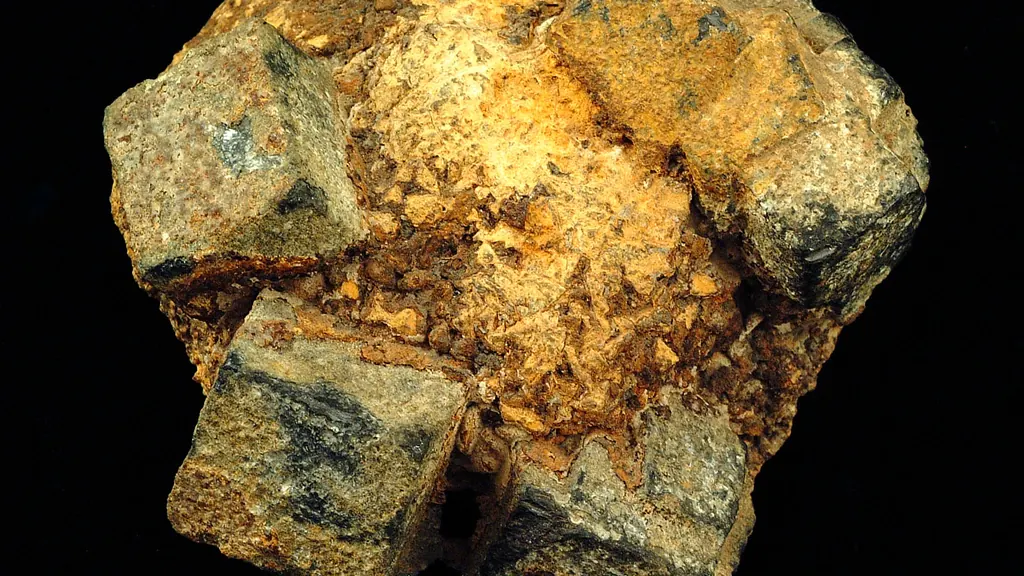
Galena vs look-alikes
| Mineral | How it differs |
|---|---|
| Pyrite | Brassy gold, much harder (scratches glass), greenish-black streak (see gold vs pyrite) |
| Hematite | Red-brown streak, harder, no cube cleavage |
| Magnetite | Strongly magnetic, black streak |
| Silver | Bends instead of breaking, tarnishes black, no cubes when broken |
| Stibnite | Long, needle-like crystals instead of cubes |
Safety: galena contains lead
Solid galena on a shelf is fine for most collectors, but treat it with respect:
- Wash your hands after handling it.
- Keep it away from small children and pets, and never lick it.
- Don't sand, cut, grind or tumble it; lead dust is the real danger.
- Don't put it in drinking water or use it for "crystal elixirs".
Fun facts
- Early radios, called crystal radios, used a galena crystal and a thin wire "cat's whisker" to pick up signals.
- Galena often contains small amounts of silver, and it has been one of the world's important sources of silver.
- Galena is the state mineral of Missouri and Wisconsin, and the town of Galena, Illinois is named after it.
Where to find galena
- The Tri-State mining district of Missouri, Kansas and Oklahoma, around Joplin
- Southeast Missouri's Lead Belt, one of the largest lead districts in the world
- The Upper Mississippi Valley in Wisconsin, Illinois and Iowa
- Old mine dumps in Idaho, Colorado, England's Pennines and Germany (always get permission)
What's galena worth?
| Item | Rough value |
|---|---|
| Small cleavage cubes | About $1 to $5 |
| Common specimens | About $5 to $50 |
| Sharp crystal clusters | About $50 to $300 |
| Top museum-grade pieces | Much more |
Prices are rough guides. Crystal sharpness, shine and locality matter most.
Heavy, shiny, silver rock?
Snap a photo with RockFinder to see if it's galena, hematite, a meteorite or something else.
Questions people ask
How do you identify galena?
Galena is bright silver-grey and metallic, very heavy for its size, soft (a copper coin scratches it), and breaks into perfect little cubes with flat, mirror-like faces. Its streak is lead-grey.
Is galena dangerous to touch?
Handling solid galena is generally considered low risk, but it contains lead. Wash your hands afterwards, don't lick it or let children put it in their mouths, and never sand, tumble or grind it dry, since lead dust is the main hazard.
What is the difference between galena and pyrite?
Pyrite is brassy gold, hard (it scratches glass) and leaves a greenish-black streak. Galena is silver-grey, soft enough to scratch with a coin, much heavier, and leaves a grey streak.
How much is galena worth?
Common galena specimens sell for about $5 to $50. Sharp, shiny crystal clusters, or galena with other minerals, can bring $50 to several hundred dollars from collectors.
Keep reading
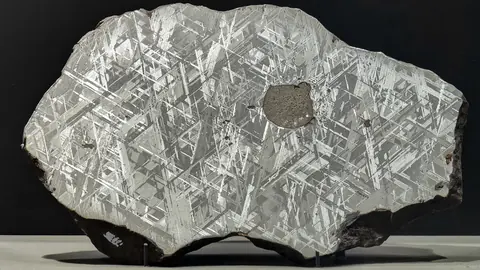
Why is my rock so heavy?
Unusually heavy for its size? Here's what it could be and how to check.
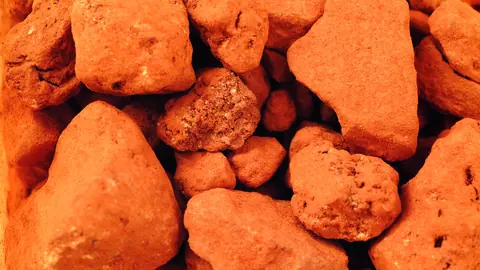
Hematite: the black stone that bleeds red
Shiny black outside, blood red when you scratch it. The mineral that colors Mars.
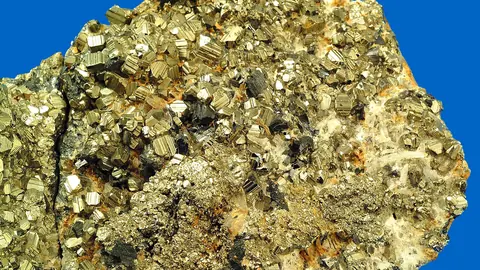
Gold or fool's gold? How to tell real gold from pyrite
Five quick tests to tell real gold from pyrite, and what each is worth.
More guides
- Chalcopyrite: the other fool's gold (and the world's copper)
- Dinosaur bone: how to tell if you've found a piece of a dinosaur
- Tektite: glass splashed across the Earth by asteroid impacts
- Concretions: the weird round rocks everyone thinks are eggs
- Zodiac stones for every star sign
- Lodestone: the rock that's a natural magnet