
How to find gold in creeks and rivers
Gold is heavy, so moving water drops it in predictable places. With a pan, a shovel and a little know-how, you can find real gold in many old gold areas. Here's how beginners do it.
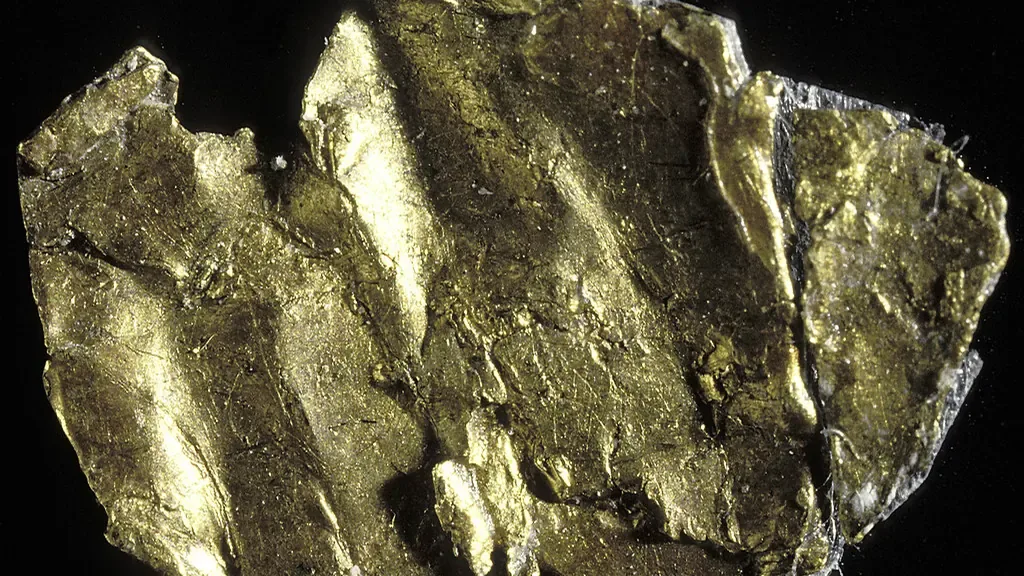
Gold weighs about 19 times as much as water and much more than ordinary sand and gravel. When a flood moves gravel down a creek, gold sinks fast and drops out wherever the water slows. Learn to read the creek and you'll know where to dig.
Step 1: Go where gold has been found
Gold isn't everywhere. Start in a known gold district, such as historic gold rush areas. Old mining records, local prospecting clubs, rock shops and state geological surveys can point you to creeks with gold. Many areas have public recreational panning spots, which are perfect for beginners.
Step 2: Read the creek
- Inside bends: water slows on the inside of a curve and drops heavy material.
- Behind boulders: the calm water downstream of big rocks traps gold.
- Bedrock cracks: the richest spots are often in cracks and low places in the bedrock under the gravel.
- Head of gravel bars: where heavy stones and black sand pile up.
- Moss and roots at the waterline can trap fine gold during floods.
Step 3: Pan it
- Fill your pan about three-quarters with gravel from your spot. Dig deep, closer to bedrock if you can.
- Put the pan under water and break up clumps of clay with your fingers. Throw out big stones after rinsing them.
- Shake the pan side to side under water. This lets heavy material, including gold, sink to the bottom.
- Tilt the pan slightly forward and swirl gently to wash the lighter top layer over the edge. Repeat: shake, then wash off.
- When you're down to a small amount of dark, heavy sand, swirl a little clean water across it slowly. Gold shows up as bright yellow specks that lag behind.
- Pick out gold with tweezers or a "snuffer bottle" and put it in a small vial of water.
Black sand: a good sign
The dark sand left at the end of panning is mostly magnetite and hematite. It's heavy like gold, so it collects in the same places. Lots of black sand means you're digging in the right kind of spot. A magnet pulls magnetite out, but go slowly so you don't drag fine gold with it.
Is it really gold?
| Gold | Pyrite | Mica | |
|---|---|---|---|
| Color in shade | Stays bright buttery yellow | Brassy, goes dark | Gold-silver glitter that fades |
| In water | Barely moves | Moves a bit | Floats and washes away |
| Press with a pin | Dents or bends | Crumbles | Flakes apart |
| Streak | Golden yellow | Greenish black | White |
More tests in gold vs pyrite and the streak test identifier.
Gear for beginners
- A gold pan with riffles (plastic, 10 to 14 inches)
- A classifier (a sieve that fits on a bucket) to remove big rocks
- A small shovel or trowel, a crevice tool or old spoon, and tweezers
- A snuffer bottle and glass vial for your gold
- Rubber boots and gloves; the water is often cold
Rules
Much of gold country is covered by mining claims, and panning on someone's claim without permission is theft. Check claim maps, use designated recreational areas, and get permission on private land. National parks usually ban panning. Read is it legal to take rocks? for the general rules.
What's it worth?
Most panners find small flakes, worth a little but thrilling to find. Weigh your gold and use the gold nugget value calculator to see what it's worth at today's price. Nuggets often sell above melt value to collectors.
Questions people ask
Where is gold most likely to be found in a river?
Where the water slows down: on the inside of bends, behind large boulders, at the downstream end of gravel bars, and especially in cracks and low spots in the bedrock under the gravel. Gold is about 19 times heavier than water, so it sinks and gets trapped wherever the current weakens.
What is black sand and why does it matter?
Black sand is mostly magnetite and hematite, heavy minerals that collect in the same places as gold. Seeing black sand in your pan means you're digging in the right kind of spot. Small gold flakes often sit right in the black sand at the end of panning.
How can I tell gold from fool's gold in my pan?
Real gold stays bright yellow in shade and from every angle, is soft (a pin dents it), and doesn't move much when you swirl water. Pyrite glitters and changes as you turn it, is brittle and crumbles. Mica is light, flaky and floats away easily.
Is gold panning legal?
In many places, yes, with rules. Some public lands and parks have recreational panning areas. Much gold country is covered by mining claims, where you need the claim holder's permission. Private land needs the owner's permission. National parks usually ban it. Always check locally.
Keep reading
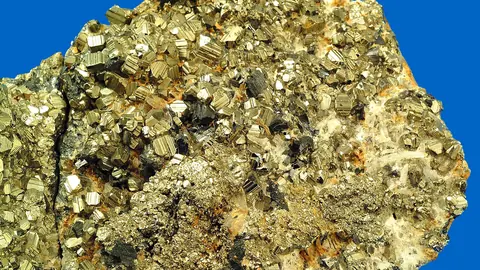
Gold or fool's gold? How to tell real gold from pyrite
Five quick tests to tell real gold from pyrite, and what each is worth.
Rockhounding: how to start hunting for rocks, gems and fossils
Treasure hunting for real. Where to go, what to bring, and what you might find.
Is it legal to take rocks?
Beaches, national parks, forests and private land: where you can collect.
More guides
- Gneiss: the striped rock that's been to the depths of the Earth
- Schist: the glittery rock that hides garnets
- How to tell if a rock is a meteorite
- Geodes: how to find them, open them and what they're worth
- Agate: how to identify it and what it's worth
- How to identify rocks: a simple step-by-step guide