
Common rocks and minerals you're likely to find
Most of the stones people pick up belong to a short list. Learn these 15 and you'll be able to name the majority of your finds.

First, a quick distinction. A mineral is a single natural substance with a fixed chemical makeup and crystal structure, like quartz or calcite. A rock is a mix of one or more minerals. Granite is a rock; the quartz, feldspar and mica inside it are minerals. Here are the ones you'll come across most.
Common rocks
Granite
Speckled with pink, white, grey and black grains big enough to see, all locked together like a jigsaw. It's very hard and won't fizz with vinegar. Look for the glassy grey grains (quartz) and the blocky pink or white ones (feldspar).
Basalt
Dark grey to black and very fine-grained, so you usually can't see individual crystals. It often has small round holes left by gas bubbles. Basalt makes up much of the ocean floor and many volcanic islands.
Obsidian
Natural volcanic glass, usually black, with a glassy shine and curved, shell-like edges where it breaks. Those edges can be very sharp, so handle it carefully.
Pumice
A pale, frothy volcanic rock so full of air bubbles that many pieces float on water. If your rock feels far lighter than it looks, pumice is a good guess.
Sandstone
Made of sand grains cemented together. It feels gritty like sandpaper, and you can sometimes rub grains loose with a fingernail. Colors range from cream to red, often with visible layers.
Limestone
Usually grey, cream or tan, made mostly of calcite, often from ancient shells and coral. It fizzes with vinegar, scratches easily with a knife, and often contains fossils. See our guide to telling limestone from marble.
Shale
Hardened mud, usually grey to black, that splits into thin, flat layers. It's soft and often crumbly, and it smells earthy when wet.
Marble
Limestone transformed by heat and pressure. It's sugary and sparkly when you turn it in the light, often white or grey with colored veins, and it fizzes with vinegar.
Slate
Shale that has been squeezed into a dense, hard rock that splits into smooth, flat sheets. It rings slightly when tapped and is often dark grey or greenish.
Common minerals
Quartz
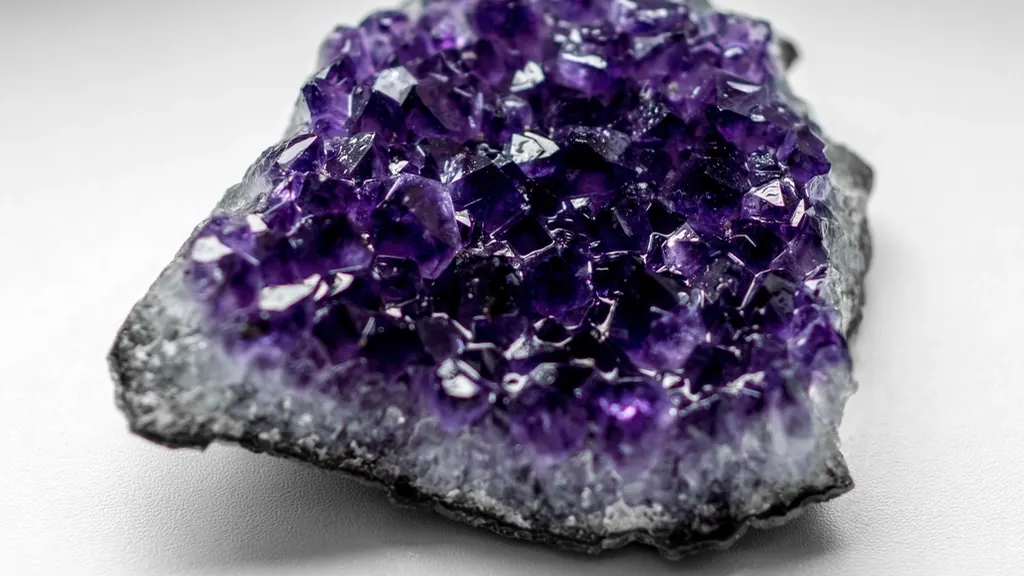
The most common mineral you'll find. Usually clear, white or milky, with a glassy shine. It's hard enough to scratch glass (7 on the Mohs scale) and breaks with curved edges instead of flat faces. Amethyst, rose quartz and citrine are all colored quartz.
Feldspar
Blocky pink, white or cream crystals with flat, shiny faces that flash when you tilt them. Almost as hard as quartz (about 6), and a main ingredient in granite.
Mica
Thin, flexible flakes that peel apart like pages, either silvery (muscovite) or black (biotite). Soft enough to scratch with a fingernail.
Calcite
Usually white or clear, soft (3 on the Mohs scale), and fizzes with vinegar. Clear pieces break into slanted blocks and can show a double image of anything you look at through them.
Pyrite
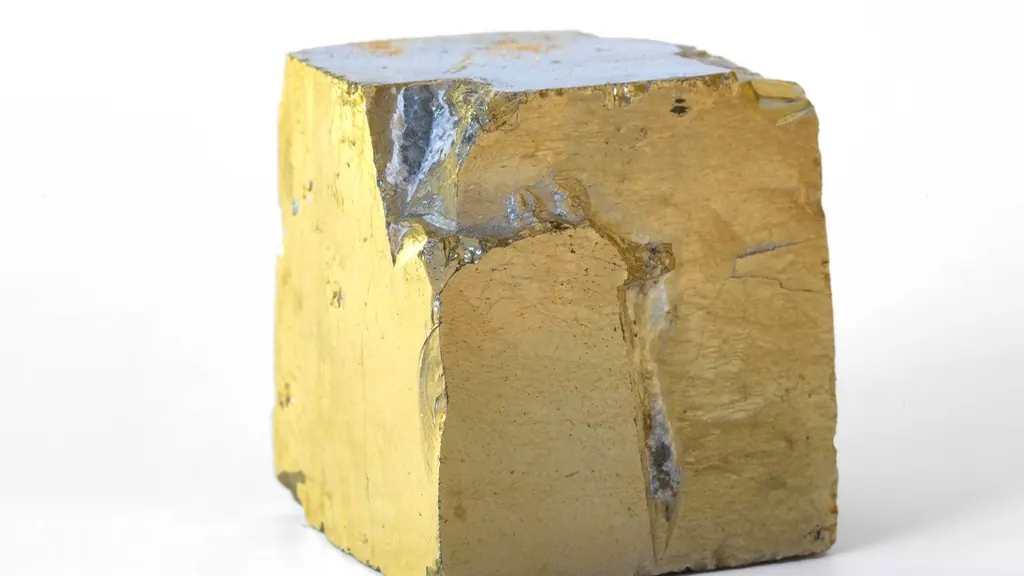
Brassy gold with a metallic shine, often in neat cubes. Known as fool's gold: unlike real gold it's hard, brittle, and leaves a greenish-black streak on unglazed tile.
Hematite
Silver-grey, black or rusty red, and heavy for its size. Its giveaway is a reddish-brown streak, whatever color the stone itself is.
Rocks that fool people
- Slag: a glassy, bubbly leftover from metal smelting, often mistaken for meteorites or obsidian.
- Concrete and brick: look for a mix of rounded pebbles in grey cement, or perfectly straight edges.
- Sea glass: frosted, rounded glass that's often taken for a gem.
If you find something that isn't on this list, take a photo with RockFinder for a quick suggestion, then use the at-home tests in our guide on how to identify rocks to confirm it.