
Chalcopyrite: the other fool's gold (and the world's copper)
Chalcopyrite fools people into thinking they've struck gold. They have, sort of: it's the most important copper ore on Earth.
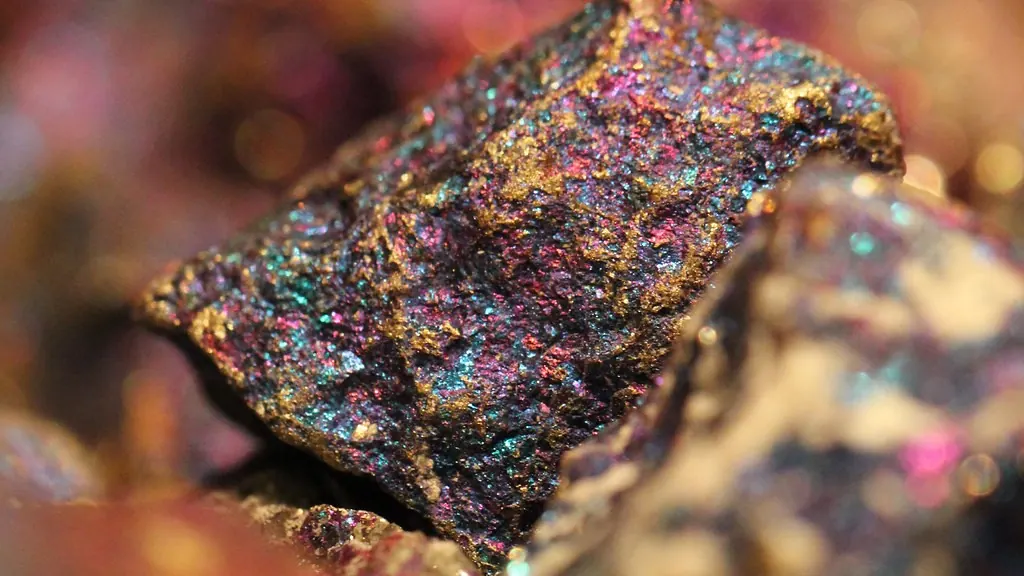
Every prospector's heart has skipped a beat at a glint of brassy yellow in a rock. Most of the time, it's pyrite. Some of the time, it's chalcopyrite (say "KAL-ko-PIE-rite"), pyrite's coppery cousin. It's not gold, but it has quietly built the modern world: chalcopyrite is the single most important source of copper, the metal in nearly every wire, motor and phone.
How to identify chalcopyrite
- Brassy yellow, often with a greenish or golden tint
- Metallic shine
- Iridescent tarnish: surfaces turn blue, purple, red and gold
- Greenish-black streak on an unglazed tile
- Softish: about 3.5 to 4, a steel knife scratches it
- Brittle: it crumbles, it doesn't bend
- Often found with quartz, pyrite and green or blue copper minerals
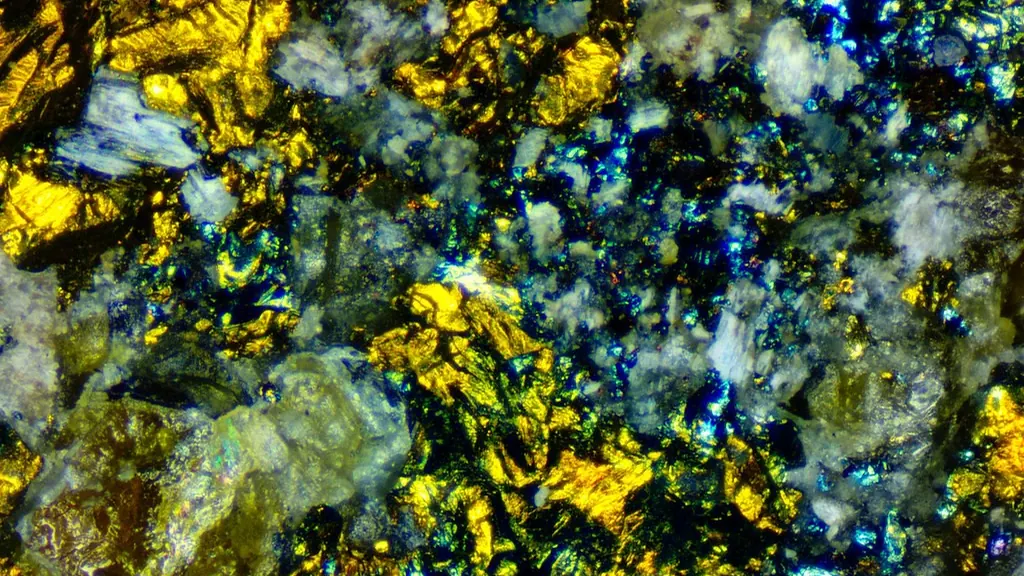
Chalcopyrite vs pyrite vs gold
| Test | Chalcopyrite | Pyrite | Gold |
|---|---|---|---|
| Color | Deep brassy, greenish | Pale brass | Warm butter yellow |
| Knife | Scratches it | Can't scratch it | Cuts like lead |
| Streak | Greenish black | Greenish black | Gold |
| Hammer | Crumbles | Shatters, may spark | Flattens |
| Crystals | Wedge shapes, rarely neat | Cubes, often perfect | Rare, mostly flakes and nuggets |
The easiest test of all: gold looks golden in shade and from every angle. Chalcopyrite and pyrite flash bright in direct light and go dark when you turn them.
"Peacock ore": the rainbow rock
Shops sell dazzling blue-purple-gold "peacock ore." True peacock ore is bornite, another copper mineral that tarnishes in rainbow colors. But much of what's sold is actually chalcopyrite treated with acid to boost its colors. It's still pretty, just not natural.
A clue to copper
When chalcopyrite weathers, it releases copper that forms bright green malachite and blue azurite. Old miners used green and blue stains on rock as a sign of copper below. Rusty, brassy, green-stained rock is a copper prospector's dream.
What's chalcopyrite worth?
| Item | Rough value |
|---|---|
| Rock with chalcopyrite specks | Essentially nothing |
| "Peacock ore" tumbled or chunks | About $2 to $10 |
| Chalcopyrite crystals on quartz | About $10 to $100 |
| Fine large crystals from famous mines | Hundreds of dollars or more |
| Copper ore (by the ton, for miners) | Depends on copper price and grade |
Prices are rough guides. Don't lick or grind sulfide minerals; wash your hands after handling.
Gold, pyrite or chalcopyrite?
Snap a photo with RockFinder to find out what your shiny yellow find really is.
Questions people ask
How do you identify chalcopyrite?
Chalcopyrite is brassy yellow, often with a greenish tint, metallic, fairly soft (a knife scratches it), and leaves a greenish-black streak. It often tarnishes to iridescent blue, purple and gold.
What is the difference between chalcopyrite and pyrite?
Pyrite is paler yellow, harder (it scratches glass and a knife can't scratch it) and often forms perfect cubes. Chalcopyrite is a deeper, slightly greenish yellow, softer, rarely forms neat cubes and tarnishes to rainbow colors more easily.
Is chalcopyrite gold?
No. Gold is bright buttery yellow in any light, very soft and bendable, very heavy, and leaves a gold streak. Chalcopyrite is brittle, much lighter and leaves a dark greenish-black streak.
Is chalcopyrite worth anything?
As ore, it's valuable by the ton for its copper. As a specimen, small pieces are a few dollars and fine crystals can sell for hundreds. 'Peacock ore' in shops is often chalcopyrite treated with acid to make it extra colorful.
Keep reading
Magnetite: the rock that grabs your magnet
The mineral that made the first compass, and fools meteorite hunters daily.
Gemstone identification: 7 tests you can do at home
Sapphire or blue glass? Seven at-home tests that catch most fakes.
Types of rocks: the 3 kinds, and how to tell which one you're holding
Fire, layers or pressure? Every rock you find is one of three types.