
Limestone vs marble: how to tell them apart
Marble is limestone that has been transformed deep underground, so the two share a lot. A few simple checks will tell you which one you're holding.
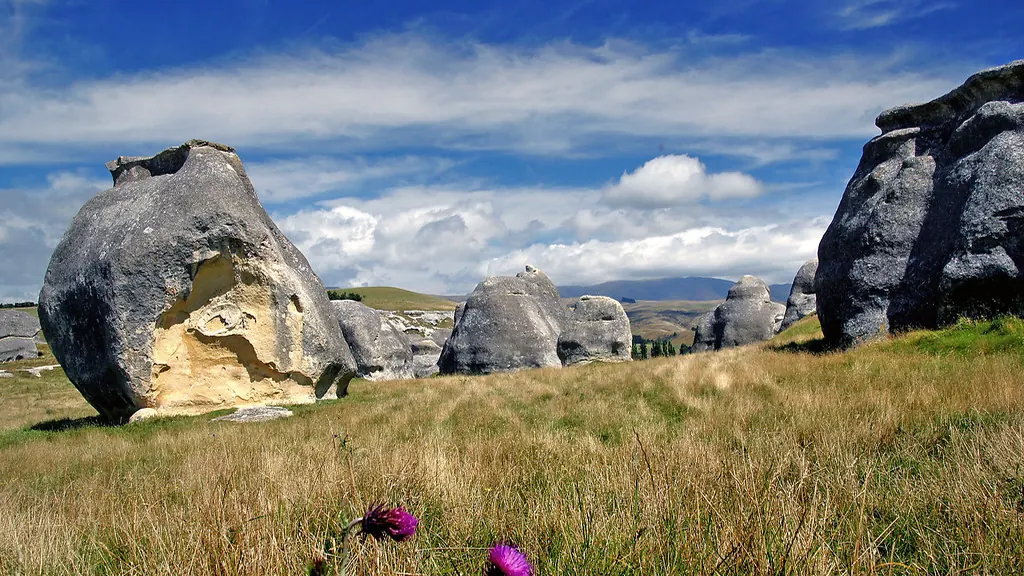
Limestone is a sedimentary rock, built up over thousands of years from shells, coral and calcite mud on the floors of warm seas. When limestone gets buried deep and is squeezed and heated, its tiny grains grow into larger, interlocking calcite crystals. The result is marble, a metamorphic rock. Same ingredient, very different finish.
What they have in common
- Both are made mostly of the mineral calcite (calcium carbonate)
- Both fizz with vinegar or dilute acid, because calcite reacts and releases carbon dioxide
- Both are fairly soft, about 3 on the Mohs scale: a steel knife scratches them, but your fingernail won't
So the vinegar and scratch tests tell you that you have one of the two, but not which one. For that, look closely at the texture.
The differences
| Limestone | Marble | |
|---|---|---|
| Texture | Dull, earthy or fine-grained; can feel slightly gritty | Sugary, crystalline grains you can see |
| Sparkle | Little or none | Tiny crystal faces glint as you turn it in the light |
| Fossils | Often has shells, coral or other fossils | No fossils: the heat and pressure destroy them |
| Layers and veins | May show flat layers from how it was laid down | Swirling veins of grey, green, gold or pink from impurities |
| Color | Grey, cream, tan, sometimes yellowish | White, grey, pink, green or black, often with veins |
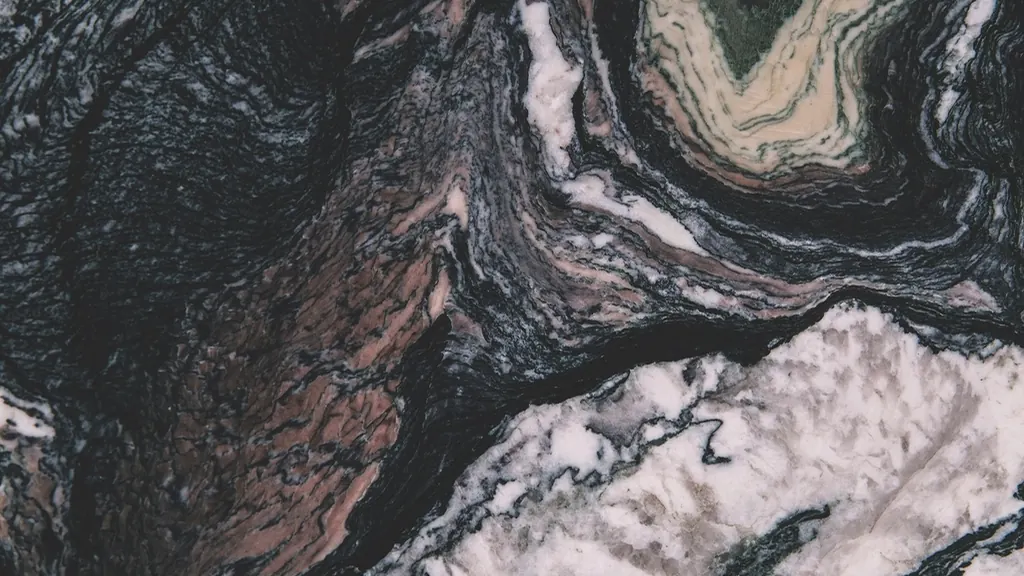
The quickest test: sparkle
Hold the rock near a window or in sunlight and slowly rotate it. If you see lots of tiny flashes, like sugar crystals catching the light, you almost certainly have marble. Limestone stays flat and dull. Use a magnifying glass or your phone's zoom: marble's interlocking crystals are easy to see up close.
Look-alikes that fool people
Quartzite
White, sugary and sparkly, just like marble. But quartzite is made of quartz, so it's much harder: it scratches glass, a knife won't scratch it, and it doesn't fizz in vinegar.
Travertine
A type of limestone that forms around hot springs and in caves. It's usually cream or tan with small holes and wavy bands. It's often sold as a building stone, sometimes alongside marble.
Dolomite and dolomitic marble
Very similar to limestone and marble, but made of the mineral dolomite. It barely reacts to vinegar unless you scratch off a little powder first and test the powder.
Cultured marble
Many bathroom counters and sinks sold as marble are actually resin mixed with stone dust. They feel warmer and lighter than real stone, look very uniform, and don't fizz.
A quick note on care
Because both rocks react with acid, vinegar, lemon juice and many cleaners will slowly etch their surface. That's why marble counters lose their shine where drinks are spilled. Only use the vinegar test on a small, hidden spot of anything you care about, and rinse it afterwards.
Still not sure?
Take a clear, close photo of a freshly broken surface with RockFinder. It will suggest whether it looks more like limestone, marble or a look-alike, and tell you which test to try. For other rocks, our guide to common rocks and minerals covers the ones you're most likely to find.