
Tektite: glass splashed across the Earth by asteroid impacts
When a giant asteroid hits Earth, it can melt rock and fling it into the sky. The molten splashes rain back down as glass. They're called tektites, and you can hold one.
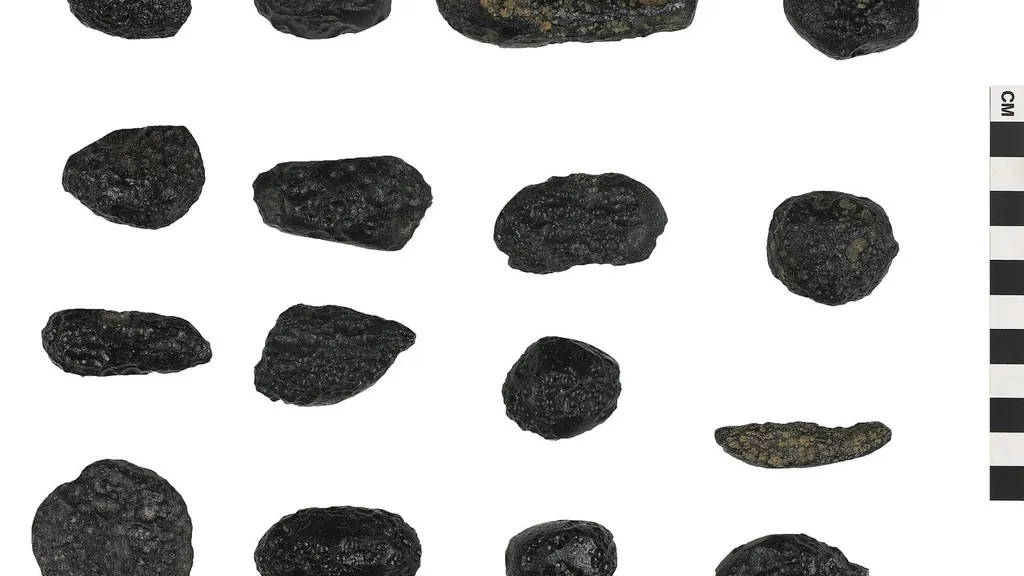
Around 790,000 years ago, an asteroid slammed into Earth somewhere in Southeast Asia. The impact melted rock and blasted it into the upper atmosphere. Molten droplets spun, cooled into glass and rained down over an area covering roughly a tenth of the planet's surface, from China to Australia to Antarctica.
Those glass droplets are tektites, and millions of them are still lying in fields and riverbeds today.
How tektites form
A big impact releases enough energy to instantly melt the ground. Some of that melt splashes out at enormous speed. As it flies, it cools into glass, and the shapes it takes in flight are frozen forever: spinning drops become spheres and dumbbells, stretched drops become teardrops, and some re-melted as they plunged back down, forming flanged "buttons."
The area where they land is called a strewn field. There are only a few major ones on Earth.
How to identify a tektite
- Glass: black and opaque in most cases, but translucent brown or green on thin edges
- Aerodynamic shapes: buttons, discs, teardrops, dumbbells, rods, spheres
- Sculpted skin: pitted, grooved and wrinkled like worm tracks
- Not magnetic, unlike magnetite and many meteorites
- Hardness about 5.5 to 6.5, similar to glass
- Found far from volcanoes, in known strewn fields
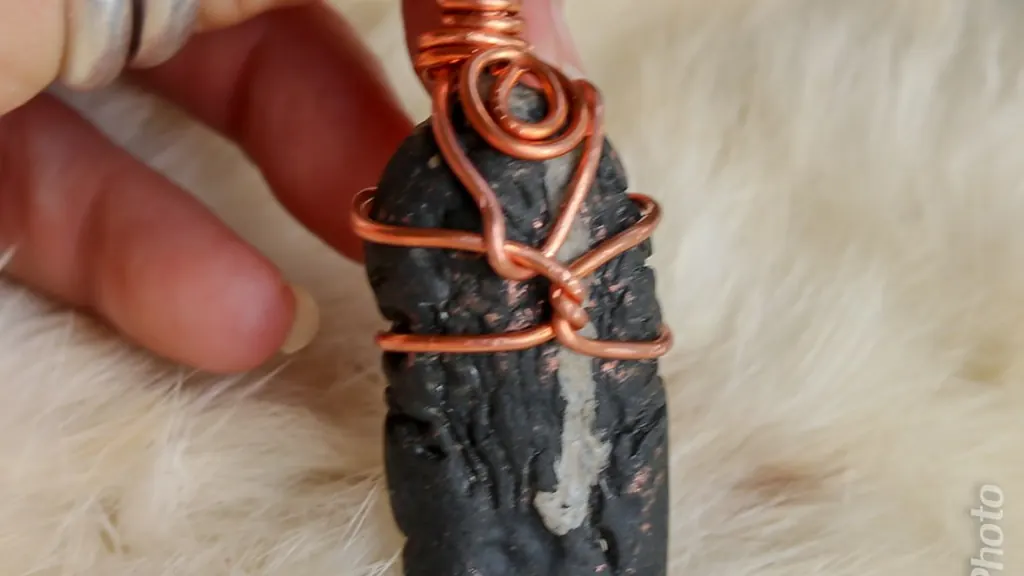
The famous tektites
| Name | Where | Look |
|---|---|---|
| Indochinites and Australites | Southeast Asia, Australia | Black; Australian "buttons" with flanges are classic |
| Moldavite | Czech Republic | Bottle-green, deeply sculpted, about 15 million years old |
| Georgiaite and Bediasite | Georgia and Texas, USA | Green and black, rare |
| Ivory Coast tektites | West Africa | Black, rare |
Libyan desert glass, pale yellow glass from the Sahara, is related impact glass. A piece carved into a scarab sits in the center of a necklace from Tutankhamun's tomb.
Tektite or not?
| Look-alike | How it differs |
|---|---|
| Obsidian ("Apache tears") | Found near volcanoes; smoother, rounded; translucent smoky edges |
| Slag | Bubbly, often with rust and metal; human-made |
| Fulgurite | Glass tubes made by lightning, with sand stuck on |
| Fake moldavite | Too bright, too clear, molded patterns, bubbles in rows |
What are tektites worth?
| Item | Rough value |
|---|---|
| Small black tektites from Southeast Asia | About $1 to $10 each |
| Large or perfect splash forms (dumbbells, teardrops) | About $20 to $200 |
| Australian flanged buttons | About $50 to hundreds of dollars |
| Moldavite | About $10 to $50+ per gram for good pieces |
| Libyan desert glass | About $1 to $10+ per gram |
Moldavite became so popular that fakes are everywhere. Buy from dealers who guarantee authenticity in writing.
Prices are rough guides. Australia and some other countries restrict exporting tektites.
Strange black glass?
Snap a photo with RockFinder to see if it's a tektite, obsidian or slag.
Questions people ask
What is a tektite?
A tektite is natural glass formed when a large meteorite or asteroid hit Earth, melting surface rock and throwing it high into the air. The molten droplets cooled into glass as they flew and landed far from the crater.
How do I identify a tektite?
Tektites are usually black (green for moldavite), glassy, and shaped like buttons, discs, teardrops, dumbbells or spheres. Their surfaces are pitted and grooved. They aren't magnetic and are not bubbly like slag.
What is the difference between a tektite and obsidian?
Obsidian is volcanic glass from lava. It's usually found near volcanoes, has sharper conchoidal fractures and often flow bands. Tektites are found far from volcanoes in specific strewn fields, have sculpted aerodynamic shapes and pitted skins, and contain almost no water.
Are tektites valuable?
Common black tektites from Southeast Asia sell for about $1 to $10 each. Rare shapes, large pieces, moldavite and Libyan desert glass sell for much more, up to hundreds or thousands of dollars.
Keep reading
Magnetite: the rock that grabs your magnet
The mineral that made the first compass, and fools meteorite hunters daily.
Gemstone identification: 7 tests you can do at home
Sapphire or blue glass? Seven at-home tests that catch most fakes.
Types of rocks: the 3 kinds, and how to tell which one you're holding
Fire, layers or pressure? Every rock you find is one of three types.